
Ever wondered if chimpanzees punish each other like humans do when someone breaks the rules? Turns out, they do—but only in a pretty specific way.
Chimpanzees usually punish others when they feel personally wronged or cheated, not to enforce group rules like humans often do.

In chimpanzee groups, punishment mostly protects their own interests. If a chimp steals your food or hurts you, you’ll probably get aggressive or block that chimp from getting more.
But you rarely see chimps stepping in to punish someone who wronged another chimp. Their punishment looks more like self-defense than keeping the whole group in line.
Curious about how chimps balance teamwork and rivalry, and where punishment fits in? There’s a lot to dig into.
Honestly, watching how chimps act can tell us a lot about where human ideas of fairness and cooperation come from.
How and Why Chimpanzees Punish Each Other

Chimpanzees react to rule-breaking mostly when it hits them directly. They don’t punish just for the sake of it, or out of random anger.
Their punishment tries to keep things fair, but it works differently than human systems.
Personal Retribution in Chimpanzee Societies
When a chimpanzee gets wronged, like having food stolen, it often punishes the offender. You’ll see aggressive acts—threats, maybe even an attack.
This is their way of getting back what they lost or stopping more bad behavior. Punishment in chimps is tightly linked to personal loss.
If a chimp isn’t hurt, it pretty much ignores the wrongdoing. This shows their punishment isn’t about spite or random anger, but direct experience.
Dominant chimps tend to punish personal wrongs more than subordinates. That helps keep some order in the group and discourages freeloaders from taking rewards without helping.
Absence of Third-Party Punishment
Unlike humans, chimpanzees almost never punish others for wrongs they didn’t suffer themselves. You won’t see chimps step in just because someone else got robbed of their food.
They don’t really enforce rules for the good of the whole group. Even when the victim is a relative, chimps rarely act as third-party enforcers.
Kinship doesn’t push them to punish others for the sake of fairness or cooperation. Chimpanzees stick to second-party retaliation—reacting only to harm done to themselves.
Differences from Human Punishment Systems
Humans often punish violators to protect the group, even if they aren’t personally affected. That’s called third-party punishment, and it keeps big societies running.
Chimpanzees don’t really do that. Their system is more about direct retaliation than group fairness.
They punish to defend their own interests, not out of spite or some idea of justice. This really shows how human cooperation got more complicated over time.
Your actions might be punished not just because they hurt someone, but because they broke shared rules. Chimpanzee punishment stays simple and personal, not about wider social rules.
If you want more detail, check out the study on chimpanzee social behavior and cooperation.
Punishment, Cooperation, and Group Dynamics in Chimpanzees
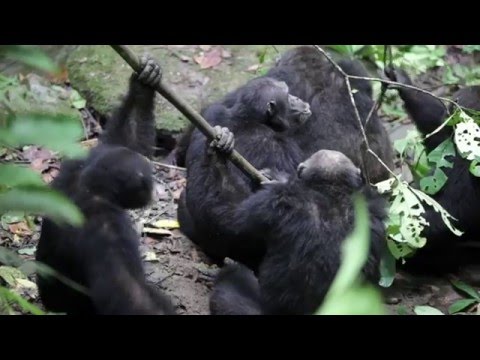
Chimpanzees show a mix of cooperation and competition in their groups. They’ll work together for shared goals, but you won’t see wide group punishments like in humans.
Their social behavior balances helping each other and watching out for selfish moves.
Cooperation Without Group-Level Sanctions
Chimpanzees cooperate by picking partners they trust. You’ll see them team up to get food or defend territory.
They don’t punish everyone for one individual’s bad behavior. Instead, they focus on who’s fair and who freeloads.
If someone steals or acts selfishly, dominant chimps might step in and stop it, but it’s usually a one-on-one thing.
This selective punishment helps keep the group mostly cooperative. Chimps stick with teammates who’ve shown they’ll actually cooperate.
So, punishment is really about protecting their own rewards—not controlling the whole group.
Role of Spite and Reciprocity
Spite—hurting others even when it costs you—doesn’t pop up often in chimp groups, but it does happen. Sometimes, you’ll see chimps punish selfish group members to keep freeloading in check.
It’s kind of fascinating to watch. They seem to care about fairness and want everyone to pitch in.
Reciprocity really shapes their friendships. If a chimp helps you out, you’ll probably help them out next time.
That back-and-forth builds trust and makes it easier for everyone to get along. Chimps remember who’s a good partner and who’s not, so they reward or punish based on past actions.
But they usually handle things one-on-one or in small groups, not with big group rules.
For more details, check this research on chimpanzee punishment and cooperation.


