
If you want bulbs that chipmunks won’t eat, choose ones that smell strong, taste bitter, or contain compounds that rodents avoid.
Daffodils, alliums, grape hyacinths, common camas, and glory-of-the-snow add spring color and make your flower beds less tempting to hungry diggers.
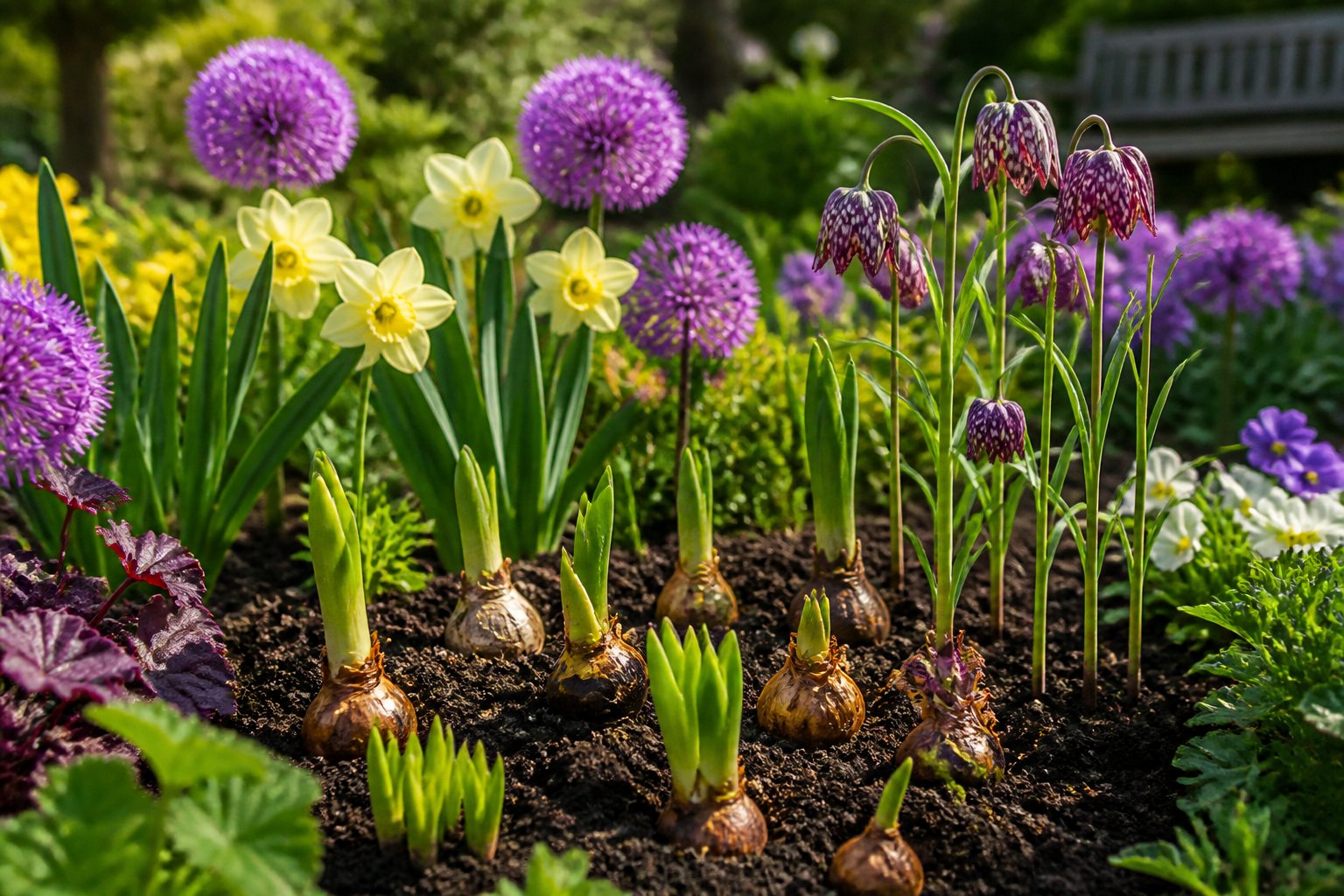
No plant guarantees full protection. You get the best results when you pair resistant bulbs with smart planting habits and plant chipmunk repellent plants around the edges.
Best Bulbs To Plant

Spring bulbs with fragrance, bitterness, or toxicity give chipmunks a reason to stay away. If you want reliable color and less damage, start with these bulbs.
Daffodils And Narcissus
Daffodils and other narcissus work well for chipmunk-prone yards. Their bulbs contain lycorine, which makes them unappealing to chipmunks.
You also get early spring bloom and a classic look that suits almost any garden.
Allium And Ornamental Onion
Allium, including ornamental onion, helps keep chipmunks away with a pungent scent. These plants add globe-shaped flowers that look great in perennial borders.
Plant alliums in groups near more vulnerable bulbs to reduce digging. Their strong smell can make the area less inviting.
Grape Hyacinth, Common Camas, And Glory-of-the-Snow
Grape hyacinth, muscari armeniacum, common camas, camassia quamash, and glory-of-the-snow offer early-season color and traits chipmunks dislike. Grape hyacinths and glory-of-the-snow bring fragrance, while camas offers strong scent and good performance in undisturbed spots.
These bulbs work well in drifts, rock gardens, and naturalized plantings. They pair nicely with daffodils and alliums for a layered spring display.
Hyacinths
Hyacinths help because their fragrance is strong, and chipmunks often avoid them. They give you dense flower spikes and rich color in spring.
Tulips are different, since chipmunks often target them more than daffodils. If you love tulips, use them selectively and mix them with more resistant bulbs.
Why Chipmunks Avoid Some Plants

Chipmunks usually skip bulbs that smell sharp or taste bitter. The right combination of plants and garden care can help deter them.
Fragrance, Bitterness, Or Toxicity
Some bulbs repel chipmunks with fragrance, while others use bitter or toxic compounds. Daffodils rely on lycorine, which makes them unpleasant to eat.
Alliums and grape hyacinths depend more on strong scent. The more your planting leans on smell and taste resistance, the less attractive the bed becomes.
Tulips Versus Daffodils
Chipmunks target tulips because they see them as food. Daffodils usually get left alone because their bulbs are not appetizing and their chemistry discourages nibbling.
If you plant both, expect tulips to need more protection. Mixing in daffodils can help reduce feeding pressure.
What Repel Means In Gardens
When plants repel chipmunks, they discourage browsing but do not guarantee total protection. Food scarcity, soil disturbance, and nearby cover all affect chipmunk activity.
Use chipmunk repellent plants as part of a broader strategy. The goal is to make your bed less inviting.
Companion Plants For Bulb Protection

Companion planting can make your bulb beds smell busier and feel less exposed. Herbs and strongly scented flowers help support the bulbs you want to protect.
Marigolds
Marigolds, especially french marigold, work well as border plants for chipmunk-prone beds. The strong fragrance from Tagetes patula helps discourage chipmunks near garden edges.
Use marigolds along paths, fence lines, and the outer rim of flower beds. They create a scent barrier without crowding your bulbs.
Mint, Peppermint, Lavender, And Sage
Mint, peppermint, lavender, and sage bring powerful aromas that make planting areas less appealing. These are especially useful near openings where chipmunks enter from lawns or patios.
Lavender and sage add structure and long bloom interest. Keep mint contained so it does not spread.
Chives, Geraniums, And Stonecrop
Chives, geraniums, and stonecrop work well in mixed borders around bulbs. Chives add an allium-like scent, geraniums can discourage browsing, and stonecrop fills space without attracting much attention.
A layered border of these plants helps your bulb bed look full and reduces bare spots. Open soil often attracts digging.
Planting Tactics

Good placement helps keep bulbs safer from chipmunks. Your planting method matters as much as your plant choices, especially when the soil is fresh.
Where To Place Resistant Bulbs
Put the most resistant bulbs where chipmunks are less likely to dig, such as deeper in beds, near shrubs, or inside crowded mixed plantings. Daffodils, alliums, and grape hyacinths do well in drifts, while camas prefers undisturbed spots.
If you face repeated chipmunk pressure, place tempting bulbs farther from edges and easy access points. This small shift can reduce digging.
Masking Fresh Soil And Protecting New Plantings
Chipmunks notice freshly turned soil quickly. After planting, cover exposed areas with mulch, leaf mold, or low companion plants so the bed looks settled.
New plantings also benefit from temporary protection. Use wire mesh, bulb cages, or close monitoring during the first few weeks to help bulbs establish.
Using Cayenne Pepper And Other Light-Touch Deterrents
You can use light-touch deterrents when you want a low-impact approach. A dusting of cayenne pepper may discourage some chipmunks.
Rain and watering reduce how long cayenne pepper lasts. Use these helpers as a short-term support.
Pair resistant bulbs with scent-heavy companions and place them carefully for the best results.


