
Ever wonder if orangutans are as aggressive as chimps? You’re definitely not the only one. These great apes might look a bit similar, but their personalities and behaviors really aren’t.
Orangutans are way less aggressive and usually live a peaceful, solitary life. Chimps, though, are much more social and tend to show higher levels of aggression.

It’s kind of surprising—orangutans, despite being big and strong, usually avoid fights. They’d rather just move away from trouble.
Chimps, on the other hand, live in groups where competition and aggression are part of daily life. If you look closer, you can start to see why these differences exist out in the wild.
Aggression in Orangutans vs. Chimpanzees
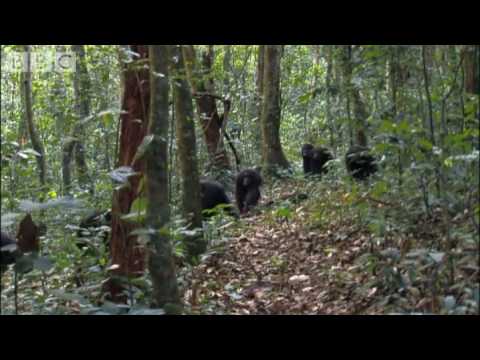
You’ll notice orangutans and chimpanzees act differently because of how they live and interact with others. Their social habits, what sets them off, and real-life examples all show these differences pretty clearly.
Typical Social Behavior and Group Dynamics
Orangutans mostly keep to themselves up in the trees. You usually see just one orangutan at a time.
This solitary lifestyle means they don’t run into others much, so fights almost never happen.
Chimps live in groups called troops, sometimes with 20 or more members. These groups mean lots of interactions and, honestly, plenty of competition.
Males often clash over dominance and mates, which leads to more fighting than you’d see in orangutans.
Here’s a quick look at the differences:
| Aspect | Orangutans | Chimpanzees |
|---|---|---|
| Social Life | Mostly solitary | Large social groups |
| Group Size | Usually alone | Up to 20 or more |
| Main Conflicts | Mating and territory | Status and territory |
Aggression Patterns and Triggers
Orangutans mostly get aggressive during mating or if they feel threatened. But instead of fighting, they’d rather just slip away quietly.
Chimps act much more openly aggressive. They get loud, use physical force, and sometimes plan group attacks on rivals.
Their fights usually come from competition for food, mates, or rank.
Orangutans use their size and strength mostly to protect themselves. Chimps rely on quick moves and teamwork to take control.
Notable Examples and Case Studies
In the wild, orangutans hardly ever fight. When they do, it’s usually just some posturing or a bit of pushing.
Mothers protect their babies quietly without pulling others into it.
Chimps have been seen attacking rivals, sometimes causing serious injury or even death. Sometimes, their aggression seems planned—they actually think ahead about how to handle conflicts.
Researchers keep finding that chimp aggression is just part of group life. Orangutans, though, stay calm most of the time.
You can spot these differences in the wild or in documentaries. They really show how social styles shape behavior.
If you want to dive deeper, check out Know Animals.
Physical Strength and Behavioral Differences

Orangutans and chimps are pretty different when it comes to strength and how they act. Orangutans rely on raw power but keep to themselves.
Chimps, though, use their smaller strength with social groups and a bit more aggression. These differences play out in how they live every day and how they raise their young.
Strength Comparison: Bite Force and Lifting
Orangutans have a stronger bite force than chimps. Their bite can reach about 575 pounds per square inch (PSI).
Chimps bite closer to 400 PSI. Orangutans can crush tougher foods and defend themselves if they have to.
When it comes to lifting, orangutans are super strong—up to five times stronger than humans. Chimps are also strong, but only about 1.5 times stronger than us.
Orangutans mainly use their strength for climbing and moving through the trees. Chimps use theirs more for fighting or hunting.
Role of Solitary vs. Social Lifestyles
Orangutans usually live alone. You won’t see them hanging out in big groups.
Their quiet, solitary life means they don’t need to be aggressive. They use their strength mostly to stay safe and protect their own space.
Chimps live in groups of 20 to 30, sometimes even more. Being social and competitive makes chimps more aggressive.
They fight for status and defend their troop, which leads to more confrontations.
Impact on Orangutan Infants and Young
Orangutans usually live alone, so a mother ends up spending years raising each infant. These little ones stick by their moms for as long as eight years.
That long stretch lets them slowly pick up the survival skills they’ll need. It’s honestly impressive how patient orangutan mothers have to be.
Chimpanzee infants, on the other hand, grow up in groups. Several adults look after and protect them.
With so many chimps around, the young ones get a crash course in group life and social rules. Sure, they learn a lot, but living in a crowd brings more drama—more fights, more stress. Orangutan infants just don’t deal with that kind of chaos.
If you’re curious about how aggression and strength set these animals apart, you might want to check out this detailed comparison of orangutans and chimpanzees.


