
Ever wondered how orangutans stack up against chimpanzees when it comes to aggression? You’re definitely not alone. These two great apes might look a bit similar at a glance, but their personalities? Way different.
Orangutans tend to be a lot less aggressive and just more chilled out than chimps.

So, why do these close cousins act so differently? It mostly comes down to how they live.
Orangutans spend most of their time alone, way up in the trees, and they’d rather dodge trouble than start it. Chimps, though? They stick together in big, noisy groups, and that kind of crowd brings a lot more drama and fighting.
Social life really shapes how often and how intensely they get aggressive.
If you’re watching a documentary or just reading up on primates, knowing this stuff makes their reactions make a lot more sense.
Aggression in Orangutans Versus Chimpanzees
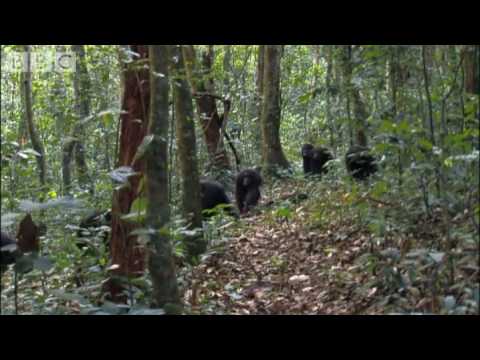
When you look at how orangutans and chimpanzees handle aggression, you’ll notice some pretty big differences. Their lifestyles, strength, and how they deal with threats all play a part.
Behavioral Differences and Social Dynamics
Orangutans mostly keep to themselves. You’ll spot them hanging out alone in the treetops, steering clear of others.
Since they don’t cross paths that often, they just don’t get into many fights. When things do get tense, they’d rather slip away than throw a punch.
Chimps, though, live in groups called troops—sometimes with up to 150 members. That’s a lot of personalities in one place.
All that togetherness means more competition for food and mates. More competition? More fights.
Still, a lot of their scuffles are about keeping order, not really about hurting each other.
Physical Strength and Aggression
Orangutans are bigger and stronger than chimps. Their arms and jaws are built for climbing and tearing apart tough plants.
That muscle gives them an edge if they ever need to defend themselves.
But honestly, they don’t like to get aggressive. Most of the time, they keep things peaceful and avoid conflict.
If they do get into a confrontation, it’s usually about mating or self-defense.
Chimps, on the other hand, aren’t as big, but they make up for it with attitude. They move fast and aren’t afraid to get physical.
They’ll use their strength and even work together in groups to intimidate or attack rivals.
Threat Response and Conflict Behaviors
If an orangutan feels threatened, it usually tries to slip away or just go quiet. Sometimes it’ll show a mild threat—maybe a display—but it doesn’t go looking for a fight.
You’ll mostly see aggression during mating season or if it’s defending its turf.
Chimps react differently. They get loud, and physical—biting, hitting, and even teaming up to take on a threat.
Their fights can get pretty serious, sometimes ending with injuries or even death.
So, orangutans’ solo lifestyle and chimps’ group living create two totally different playbooks for dealing with threats and competition.
Factors Influencing Aggression in Great Apes

Where great apes live, how they interact, and how they care for their babies—all of this really shapes their behavior. Some apes get riled up easily, while others just keep it cool.
And let’s not forget, humans have a hand in this too.
Role of Habitat and Social Structure
Habitat changes everything. Orangutans roam huge forests on their own, which helps them avoid fights.
Chimps live in large groups, and their territories often overlap. That means more run-ins and more chances for trouble.
In chimp groups, you’ll see lots of males battling for status. That’s a recipe for more aggressive moments, especially when food or mates are hard to come by.
Orangutans skip all that drama since they’re mostly solo, except for mating.
Key differences:
| Aspect | Orangutans | Chimpanzees |
|---|---|---|
| Social Life | Mostly solitary | Large social groups |
| Territory Overlap | Rare | Common |
| Aggression Cause | Mate competition, self-defense | Status and territory fights |
Infant Care and Protection
Orangutan moms stick with their babies for up to eight years, sometimes even longer. That long bond means the little ones learn quietly, far from trouble.
They don’t mix much with other adults, so you don’t see a lot of social drama around the kids.
Chimpanzee babies grow up in a much busier crowd. They meet lots of adults and other youngsters, so mothers—and sometimes others—have to step in more often to protect them.
That social scene makes for more active defense and competition.
When you look at how these apes raise their kids, it’s pretty clear their social habits play a big role. Orangutan moms are protective, but it’s a quieter kind of care since their babies aren’t surrounded by a group.
Impact of Human Interaction
Humans affect great apes in all sorts of ways, but this doesn’t always mean they get more aggressive.
Orangutans sometimes get stressed out in captivity or when their habitat shrinks. That stress can lead to unusual aggression.
Out in the wild, though, they usually just want to avoid trouble.
Chimpanzees might react to humans by acting more territorial or defensive, especially if there’s not enough food or space. Their social structure leads to more visible fights or dramatic displays.
Human impact adds pressure, sure, but it doesn’t just invent aggression from thin air. It shifts ape behavior, depending on their nature and what’s going on around them.
If you’re curious and want to dig deeper, check out orangutan aggression and social behavior.


