
You might think lions rule the savanna without a care, but giraffes really shake up that idea. Most lions steer clear of healthy adult giraffes—a single powerful kick can break bones or even kill a lion. That’s enough to make them pick easier targets when they can.

So, when do lions take the risk? And why do giraffe calves have it so much worse? Let’s dig into how size, defense, and hunting tactics shape this weird predator-prey matchup—and what pushes lions to go after a giraffe at all.
Are Lions Afraid of Giraffes?

Lions see giraffes as high-risk prey. You’ll notice they go for calves, sick, or young giraffes way more often than healthy adults because the danger just isn’t worth it.
Understanding the Lion-Giraffe Dynamic
Giraffes stand tall, they’re massive, and their kick? It’s deadly. One good swing from an adult giraffe’s leg can break a lion’s bones or worse, so lions have to weigh the risk every time.
When lions do hunt giraffes, they team up. Working together lets them get behind the giraffe and grab at the flanks or hindquarters. Most successful attacks happen at night or when there’s enough cover to sneak up—giraffes have sharp eyes and spot trouble early.
Giraffes use their height and eyesight to stay alert. Mothers stick close to their calves and sometimes herd together for protection. Thanks to these defenses, lions usually look for easier meals unless they catch a rare break.
Do Lions Hesitate to Hunt Giraffes?
When a healthy adult giraffe stands in their way, lions definitely hesitate. They often skip a direct charge—a single mistake can be fatal for a lion.
Most of the time, lions target calves, sick, or old giraffes. Out in the open, giraffes spot lions and just walk off, so lions rely on ambushes in the bush or near waterholes where giraffes might not notice them.
If the pride is big and well-coordinated, they’ll sometimes take bigger risks. But honestly, giraffe hunts happen way less often than hunts for zebra, wildebeest, or antelope—too much danger, too much work.
What Are Lions Afraid Of?
You won’t really catch adult lions acting scared, but they avoid fights that could leave them badly hurt. Lions back off from threats like a giraffe’s kick or a sudden stampede.
They keep their distance from animals that can maim them—adult giraffes, cape buffalo, and grown rhinos. Lions don’t mess with healthy adult elephants either. They hunt when they spot weakness—young, old, sick, or isolated animals are much safer bets.
Lions also protect their cubs from other predators and rival prides. Their reactions—whether aggression or just leaving—depend on the risk to the pride, not some simple feeling like fear.
Are Lions Afraid of Elephants?
Don’t expect lions to go after healthy adult elephants. Elephants are just too big and dangerous; a lion could get trampled or gored, so they almost never try.
Sometimes lions target elephant calves, but only if the mothers are gone or the herd is really struggling. Even then, they wait for a clear shot and usually give up if adults step in.
Mostly, elephants and lions keep their distance. You might see a standoff at a carcass or waterhole, but lions avoid tangling with adult elephants because the risk is just way too high.
Why Lions Rarely Hunt Giraffes
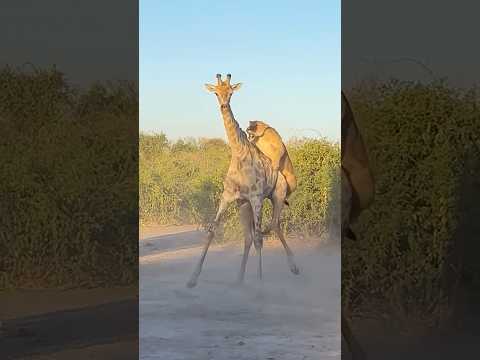
Adult giraffes are tough, hard to sneak up on, and usually hang out where there’s little cover. Lions usually go for easier, safer prey—calves, sick giraffes, or the rare ambush.
Risk and Reward for Predators
Hunting a full-grown giraffe is a huge gamble for lions. Sure, a successful kill feeds the pride for days, but one bad move could leave a lion with a broken back or worse. Pride leaders have to think hard about risking injury that could mess up all future hunts.
Lions mostly hunt giraffes when food is scarce or the pride is big enough to work together. They prefer to strike at night or in tall grass to stay hidden. Even then, they aim for the legs to knock the giraffe down—it takes skill, timing, and luck, and that kick is always a threat.
How Giraffes Defend Themselves
Giraffes rely on height, sharp eyesight, and brutal kicks. Their long necks help them spot trouble from far away, so they avoid most surprise attacks. Those legs? They deliver fast, deadly kicks that can put a lion out of commission.
Mothers keep calves inside the herd and circle up if there’s danger. When other animals like zebras or wildebeest are around, their alertness helps giraffes spot predators even sooner. Lions back off from healthy adults and only risk an attack when a giraffe is weak or alone.
Other Predators of Giraffes
Lions top the list of giraffe predators, but they’re not the only ones. Hyenas and African wild dogs sometimes chase calves or scavenge kills, especially at night or near water. Leopards might grab very young calves if they get close enough.
Crocodiles can take calves during river crossings. Injured giraffes sometimes fall to scavengers. Human activity, disease, and habitat loss also play a big part in giraffe deaths, changing how often natural predators even get a shot.
Lions’ Preferred Prey in the Wild
You’ll see lions go after prey that gives them a good balance between energy gained and the risk involved.
Zebras, wildebeest, and antelope are at the top of their menu. These animals travel in herds, so they’re everywhere, and it’s just easier for lions to catch them without putting themselves in too much danger.
Buffalo and young elephants? Large prides sometimes take the chance when the reward seems worth it.
Lions will often hunt giraffe calves instead of adults. Calves are smaller and can’t kick as hard, so they’re less risky.
When food is everywhere, lions usually leave adult giraffes alone and stick to these safer, more frequent meals.
Do lions have predators? Not really—adult lions don’t face much threat from other animals. Their hunting decisions mostly depend on how risky the prey is, not on fear of being hunted themselves.
If you’re curious, you can find more on giraffe-lion interactions in field reports and studies, like research on lion hunting patterns and firsthand observations of attacks.


