
If you’re considering adding a Siberian Husky to your family, you might wonder about their reputation as a difficult breed. Huskies do come with challenges that can make them tricky for some owners. These dogs are known for their high energy, independence, and stubbornness, which can test even the most patient pet lovers.

Huskies were originally bred as working dogs, giving them a strong prey drive and a need for regular exercise. This means that if you’re not prepared for an active lifestyle, you may find it hard to meet their needs. However, their friendly nature and loyalty can make them wonderful companions when you understand what it takes to train and care for them.
With the right approach, owning a Husky can be a rewarding experience. They need consistent training and socialization to thrive, but their affectionate, playful demeanor can win your heart. If you’re ready to dive into the world of Siberian Huskies, this article will help you navigate the ups and downs of this unique dog breed.
Understanding the Siberian Husky

Siberian Huskies are a fascinating breed with a rich history and unique traits. Knowing their origins, physical features, behavior, and temperament will help you appreciate what makes them special and the challenges they can present as pets.
Origins and History
The Siberian Husky has roots with the Chukchi tribe in Siberia. They were bred as sled dogs, valued for their strength, endurance, and ability to survive in harsh conditions. These dogs helped transport goods over long distances and were essential for the tribe’s lifestyle.
Huskies played a crucial role in exploration, especially during the early 20th century when they aided in Arctic expeditions. Their resilience and ability to work in teams made them the ideal companions for traveling through snow and ice. Understanding this background can give you insight into their energetic nature today.
Physical Characteristics
Siberian Huskies are medium-sized dogs with striking physical traits. They usually weigh between 35 to 60 pounds and stand 20 to 24 inches tall. Their double coat is thick, consisting of a soft undercoat and a longer outer coat. This unique fur helps them withstand extremely cold temperatures.
Huskies are easily recognized by their captivating almond-shaped eyes, which can be blue, brown, or even one of each. Their erect, triangular ears and bushy tails add to their wolf-like appearance. These features not only make them beautiful but also serve practical purposes in their original role as sled dogs.
Behavioral Traits
Huskies are known for being spirited and independent. They have a strong prey drive, stemming from their history as hunting companions. This instinct can make them easily distracted or prone to chasing after small animals.
Training a Siberian Husky requires patience and consistency. Their stubbornness can make obedience challenging, so employing positive reinforcement methods is essential. They thrive in active environments where they can engage in physical and mental activities. Your training approach should align with their high energy levels.
Husky Temperament
The temperament of a Siberian Husky is distinct and engaging. They are social dogs that enjoy the company of people and other animals. This breed is generally friendly and outgoing but may have a mischievous side, which often leads to clever antics.
Huskies require regular exercise to stay happy, as they are highly energetic. They can become bored and destructive without enough physical activity. Additionally, early socialization is important for them to develop into well-rounded pets. Understanding their playful and sometimes stubborn nature will help you better meet their needs.
Caring for Your Husky

Caring for a Husky requires attention to several important factors. These dogs are known for their high energy levels, unique grooming needs, and need for mental challenges. Let’s explore what you need to know about exercising, grooming, stimulating their minds, and dietary needs.
Exercise Needs
Huskies are very energetic dogs. They need a lot of exercise to stay happy and healthy. Aim for at least 1 to 2 hours of physical activity each day. This can include walks, runs, and playtime in a secure area.
Interactive activities, like fetch or agility training, can be great for both exercise and bonding. If they don’t get enough activity, they might become bored and develop bad habits.
Consider taking your Husky to dog parks or joining a dog-sport club. These options provide socialization and additional exercise. Remember, a tired Husky is a happy Husky!
Grooming and Shedding
Huskies have a double coat that sheds quite a bit, especially during seasonal changes. Regular grooming is crucial to keep their fur and skin healthy.
You should brush your Husky at least 2-3 times a week. During shedding season, daily brushing might be necessary to control loose hair.
Use a slicker brush or an undercoat rake to manage their thick fur effectively. Bathing is only needed every few months unless they get particularly dirty. Maintaining their coat will help keep both your home and your dog clean.
Mental Stimulation
Huskies are intelligent and curious dogs. They need mental stimulation to keep them engaged and happy. Puzzle toys, interactive games, and training sessions can provide this stimulation.
Teach your Husky new tricks or commands weekly to challenge their minds. In addition, consider toys that require problem-solving skills or treat-dispensing toys to keep them entertained.
Rotating toys regularly can help keep their interest high. Remember, a mentally stimulated Husky is less likely to engage in destructive behaviors.
Dietary Considerations
Feeding your Husky a balanced diet is vital for their health. Look for high-quality dog food that lists meat as the first ingredient. Huskies typically require high protein and healthy fats due to their active lifestyle.
Monitor their portions to prevent obesity. It’s important to follow the feeding guidelines suggested on the dog food package, but adjust based on your dog’s activity level.
Fresh water should always be available. You can also consult your vet about adding supplements for coat health or joint support. Keeping your Husky well-fed helps ensure they have the energy to thrive!
Training and Socialization

Training and socialization are key factors in ensuring that your Husky becomes a well-mannered companion. Understanding their unique traits will help you address challenges effectively and create a positive training experience.
Training Challenges
Training a Husky comes with its own set of challenges. These dogs are intelligent and strong-willed, which can sometimes make obedience difficult. Many Huskies can be independent thinkers. This often leads them to ignore commands if they don’t see the value.
Separation anxiety is another issue that can arise in Huskies. They thrive in social settings and can become anxious when left alone. Additionally, Huskies are known to be escape artists. They may dig or jump over fences to seek adventure, which can complicate training efforts.
Socialization Importance
Socialization is vital for your Husky’s well-being. Proper exposure to other animals and people helps them develop good behavior. If not socialized early, they may exhibit resource guarding or aggression towards unfamiliar pets.
Start socialization as a puppy and continue throughout their life. Enrolling your dog in puppy classes or dog parks can help. Always supervise interactions with other pets initially to build trust. A well-socialized Husky will be more confident and less anxious, making training easier.
Training Techniques
Effective training techniques can make a big difference. Positive reinforcement is a powerful method for motivating your Husky. Reward them with treats or praise when they display good behavior. This encourages them to repeat those actions.
Using consistent commands is also important for recall and obedience training. Practice commands like “sit,” “stay,” and “come” regularly. Keep training sessions short and fun to maintain their interest.
Consider engaging a professional trainer if you encounter difficulties. They can provide valuable guidance tailored to your Husky’s needs. Remember, patience and consistency are crucial in dog training, especially with a breed as spirited as the Husky.
Is a Husky the Right Dog for You?
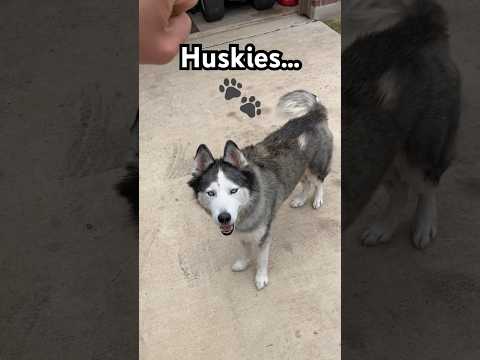
Choosing a Siberian Husky means considering your lifestyle and living situation. These dogs have unique traits that may or may not fit your household. Let’s look at key factors to think about before making this big decision.
Considerations for Potential Owners
Huskies are high maintenance dogs. They need plenty of exercise, often requiring up to two hours of activity every day.
If you’re part of an active family, a Husky might be a great match.
These dogs are known for their friendly and affectionate nature. They love to be around people, which makes them great companions. However, they can be too much for first-time owners. Training them can be challenging due to their independent spirit and intelligence.
Before getting a Husky, think about your time and commitment to dog ownership. They thrive in families that understand their needs.
If you’re not ready for an energetic dog, a Husky might not be the best choice for you.


