
Ever wondered if gorillas or chimps are more aggressive? You’re definitely not alone. Both are powerful great apes, but they show off their strength and emotions in surprisingly different ways.
Figuring out which one’s actually more aggressive can help you see these animals as more than just their size or looks.

Chimpanzees usually act more aggressive than gorillas. They turn to violence more often to solve problems or compete in their groups.
Gorillas mostly avoid fighting. They’d rather intimidate others with chest pounding or big displays than start a real brawl.
Their aggression really ties back to how they live and who they hang out with. Curious why chimps act out while gorillas seem chill? Let’s dig into what shapes their behavior in the wild.
Aggression in Gorillas Versus Chimpanzees
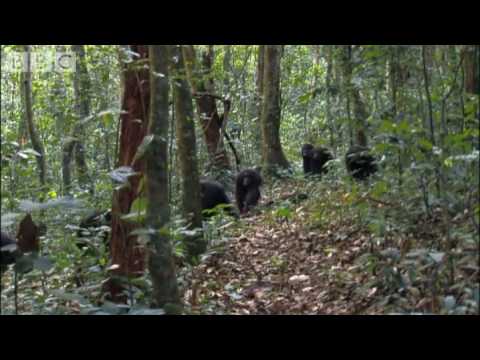
When you look at gorillas and chimpanzees, you’ll spot their aggression showing up in pretty different ways. Their fights and conflicts say a lot about how each species handles tension.
Frequency and Severity of Aggressive Behaviors
Chimps tend to act out with violence more often than gorillas. You’ll see chimps get physical, especially when they’re fighting for food or status.
Male chimpanzees sometimes team up to attack rivals, so their fights can happen pretty often.
Gorillas don’t get aggressive as much. Most of their conflicts happen within the group and usually end with a show of strength, not a fight.
When gorillas do fight, it’s usually the silverback stepping up to protect his family or turf. Real attacks are rare, and only get serious if they feel threatened.
Role of Social Structure in Aggression
How they organize their groups changes everything. Gorilla groups stick together under one dominant silverback. He keeps things peaceful with calm threats and displays.
Gorilla families stay pretty stable. The silverback sorts out most problems before they turn violent.
Chimps live in groups where lots of males compete for power. That just ramps up the tension and leads to more aggression.
Their social alliances can get complicated—sometimes it’s not just about who’s strongest, but who’s cleverest at making friends and enemies.
Documented Encounters and Conflict Examples
Some real-life run-ins between gorillas and chimps are pretty wild. At Loango National Park, for example, a group of chimps attacked gorillas in a rare but intense fight over territory.
Most chimp aggression actually happens between chimps. Males might raid other groups to grab new turf.
Gorillas don’t go looking for fights with other groups. They’ll defend their families fiercely when they have to, especially those mountain gorillas with their tight family bonds.
Influences on Aggression: Environment, Diet, and Conservation

Where gorillas and chimps live, what they eat, and how people affect them all change how they act—including how aggressive they get. These things shape their daily lives and the problems they face.
Habitat and Territory
Gorillas and chimps mostly call Africa’s tropical forests home. Mountain gorillas live way up in the forests of Rwanda, Uganda, and the Democratic Republic of Congo.
Western lowland gorillas and Cross River gorillas stick to the lowland forests.
Chimps like dense forests too, but you’ll also spot them in woodlands and savannas. Sometimes they share space with bonobos, who are usually much calmer.
Both species defend their home turf, but gorilla groups have fewer fights thanks to their stable hierarchies. Chimps, on the other hand, can get into some pretty intense conflicts, especially over territory or mates.
Deforestation and farming shrink their habitats, which ramps up competition and stress. When space gets tight, like with eastern lowland gorillas and many chimp groups, aggression tends to spike.
Dietary Factors Impacting Behavior
Gorillas mostly munch on plants—leaves, fruits, stems. Mountain gorillas eat lots of fibrous plants, while western lowland gorillas go for more fruit. This plant-heavy diet keeps things calm and helps build social bonds.
Chimps eat a wider mix: fruit, insects, and even meat. They’ll hunt smaller animals or scavenge when they get the chance.
Their hunting and meat-eating habits stir up more tension in the group, which sometimes leads to fights.
Diet really shapes their energy and how they act with each other. When fruit runs low, chimps might get more competitive, causing more aggressive moments.
Mountain gorillas, sticking mostly to plants, don’t fight over food as much.
If you ever go gorilla trekking, you’ll probably notice how peaceful their feeding looks. Chimpanzee trekking, though, often shows off their busier—and sometimes more aggressive—ways of finding food.
Human Impact and Threats
Humans have a huge impact on gorilla and chimpanzee behavior. Poaching, habitat loss, and diseases that spread from people to animals ramp up stress and aggression in both species.
Mountain gorilla and eastern lowland gorilla populations struggle with habitat destruction and illegal hunting. Poachers kill or capture gorillas, which forces the rest to change how and where they live.
Chimpanzees deal with bushmeat hunters too. Habitat loss squeezes groups closer together, so conflicts break out more often. It’s not surprising to see more aggressive displays in areas where people have disturbed the environment or where space gets tight.
Conservation groups have set up protected parks and promote responsible tourism to ease some of these pressures. Trekking with mountain gorillas or chimpanzees can actually help by raising awareness and bringing in funding.
If you support these conservation programs, you play a part in protecting gorillas and chimpanzees from harmful human activities. It might not fix everything, but every bit helps.


