
There’s something about giraffes that makes you stop and stare, isn’t there? They look calm and almost gentle, but you can’t forget—they’re wild animals, and they’ll defend themselves if they have to.
Most of the time, giraffes act peaceful around people, especially if you keep your distance. But if you startle them, they might kick or swing their necks.

Curious about how giraffes really behave around humans? Stick around to see what happens when they interact in zoos, how to spot signs of stress, and some practical tips for safe, close encounters. You’ll get advice that’ll help you enjoy these animals without putting yourself—or them—in danger.
Are Giraffes Friendly to Humans?

Giraffes usually stay calm if people don’t bother them. Sometimes they’ll come closer, sometimes they’ll keep their distance—it really depends on the situation.
Wild Giraffes and Human Interaction
Wild giraffes often keep away from people. Their height and sharp eyesight help them spot you from far away.
If you move slowly and keep downwind, you might go unnoticed while they munch on leaves. In some places—like game lodges and safaris—giraffes get used to seeing people and might come a bit closer.
But don’t be fooled—a wild giraffe can kick with serious force. You never want to get between a calf and its mother.
When you’re on foot, stick to marked trails and follow your guide’s lead. Give giraffes plenty of space, and avoid loud noises or sudden moves.
Giraffes in Captivity vs The Wild
In zoos or reserves, giraffes often seem more relaxed around people. You might watch them approach feeding stations or accept snacks from keepers.
Regular, positive contact makes captive giraffes seem friendlier. But let’s be real—they’re still huge and strong.
Staff use special training and tools to handle them safely. Visitors should always respect barriers and only feed giraffes if a keeper says it’s okay.
Habituation makes a big difference. Giraffes that grow up around humans act differently than wild ones, and that changes how safe you feel around them.
Understanding Giraffe Behavior Around People
Giraffes have a strong instinct to run from threats. Their body language says a lot—if you see a relaxed neck, slow chewing, and steady grazing, they’re calm.
If a giraffe stands tall, raises its head, or paces, it’s probably on alert. Males sometimes get more aggressive during mating season, especially when fighting rivals.
Mothers get extra protective of their calves. If one stares at you, stamps, or swishes its tail hard, that’s your cue to back off.
A few basics go a long way:
- Move slowly and don’t rush them.
- Keep your distance and never try to corner a giraffe.
- Listen to guides and respect barriers.
If you do these things, you’ll have a much better (and safer) giraffe experience. Want to learn more? Check out how giraffes’ social lives and their comfort with humans change at wildlife reserves (https://savegiraffesnow.org/are-giraffes-friendly/).
Gentle or Aggressive? Exploring Giraffe Temperament
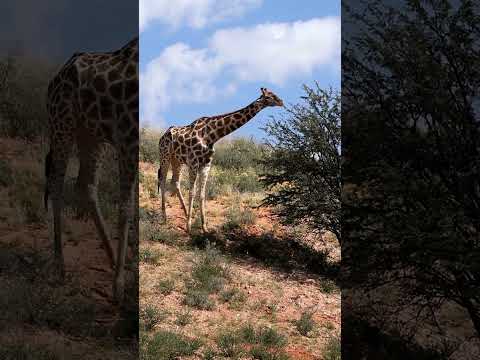
Most days, giraffes seem calm. But if they feel threatened or need to protect a calf, they can react fast.
Knowing the warning signs and reading their body language helps you stay safe. Plus, it’s good to know which “friendly giraffe” stories are real and which are just myths.
Signs of Giraffe Aggression and When to Be Cautious
If a giraffe stiffens its neck or starts swinging it at another giraffe—or you—that’s a red flag. Males (like Masai or reticulated giraffes) fight by swinging their necks and hitting each other, and that same move can hurt a person if a giraffe feels trapped.
You might notice a giraffe paw the ground, snort, or step forward suddenly. That means it’s agitated.
Mother giraffes get especially fierce near their calves. If you spot a baby, slowly back away and keep your distance.
On safari, you’re safest inside vehicles and following your guide’s advice. Even in reserves where giraffes are used to people, don’t mistake tolerance for tameness.
Give them space to avoid a defensive kick—it’s strong enough to kill a lion, so you don’t want to risk it.
Giraffe Body Language and Social Bonds
Giraffes talk to each other in subtle ways. The way they hold their necks, move their ears, or make quiet sounds tells you a lot about their mood.
A giraffe that’s relaxed and feeding lets its neck droop and chews slowly. If it lifts its head and scans around, it’s on alert.
They hang out in loose groups called towers. Females and calves often stick together, while males might wander or spar.
These social bonds matter—females with calves will defend them fiercely. Watching the whole group gives you better clues than focusing on one giraffe.
If you learn to read these signals, you’ll have a safer and more interesting time around giraffes.
Friendly Giants: The Myth and the Truth
It’s easy to assume giraffes are friendly—they just look so peaceful and curious, don’t they? But let’s be real: curiosity doesn’t always mean friendliness.
In the wild, giraffes keep their distance from humans. They’re just trying to stay safe, like any sensible animal would.
In parks and sanctuaries, you’ll sometimes see giraffes that seem okay with people. That’s usually because they’ve had lots of non-threatening encounters.
If you’re wondering how you can spot the difference between tolerance and true friendliness, pay attention to their behavior. Calmness without any protective moves? That’s tolerance, not social bonding.
Giraffe populations deal with a lot—habitat loss, poaching, you name it. Those pressures can make some herds extra nervous.
You might come across a relaxed Masai giraffe in one reserve, then meet a jumpy reticulated giraffe somewhere else. Wild giraffes are cautious, and honestly, who can blame them?
So, treat them with respect, even if they seem gentle. It’s just the right thing to do.
For more on giraffe behavior and why they come across as so calm in protected areas, check out this explanation of why giraffes are often seen as calm and tolerant.


