
If you’ve spotted frogs hopping around your yard, you might wonder if that’s actually a good thing. Honestly, frogs are pretty great neighbors because they gobble up tons of insects—mosquitoes, flies, and all sorts of pesky bugs that can wreck your garden or just annoy you.
When frogs show up, it usually means your yard’s in good shape. Healthy plants and other wildlife often follow.
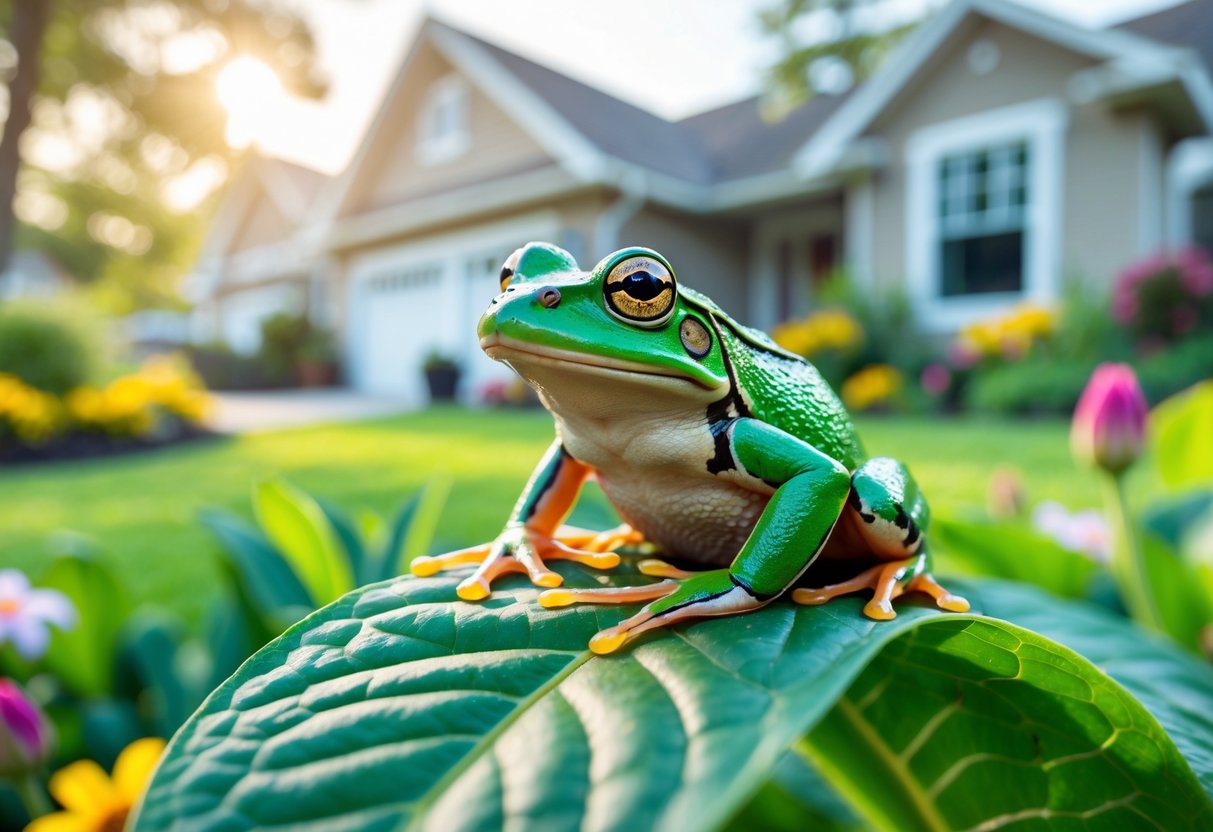
Maybe you’re curious why frogs choose your place. Well, they’re after food, water, and a bit of shelter. If your yard offers those, frogs will hang around.
Their croaking can get noisy sometimes, but they honestly do a solid job keeping bugs in check. That’s something a lot of folks appreciate.
If you understand why frogs visit and what they bring, you can figure out how to live with them (or not). Whether you’re a fan or not so much, knowing more about frogs can help you make your yard a better place for everyone—people and critters alike.
Want more info about why frogs show up and what they do for your home? There’s a good page here about the benefits of frogs around your house.
Are Frogs Good to Have Around Your House?

Frogs can be helpful, but it’s not all sunshine. Sure, they eat pests and help your garden, but sometimes they bring a few headaches—like attracting snakes. It’s good to know what you’re getting into before you decide if you want a lot of frogs around.
Natural Pest Control and Garden Benefits
Frogs eat a ton of insects—mosquitoes, flies, slugs, you name it. That means fewer pests munching on your plants or buzzing in your face.
One frog can eat over 100 bugs in a single night. Imagine how much quieter your porch or garden could be.
With their big appetites, frogs act like little pest control experts. They protect your veggies and flowers naturally.
They even help keep away cockroaches and spiders. If you’d rather not use chemicals, frogs are a solid alternative.
Potential Health and Safety Risks
Most frogs won’t hurt you, but a few, like cane toads, can be toxic if your pets or kids mess with them. You’ll want to keep an eye out if you have curious pets or little ones.
Some frogs secrete stuff that can irritate skin or eyes. It’s not super common, but it happens.
Plus, frogs sometimes carry parasites or bacteria. It’s smart to avoid picking them up with bare hands and always wash up after touching them or their favorite spots.
Attracting Snakes and Other Predators
Frogs attract snakes, since snakes love to eat them. So, if you’ve got a bunch of frogs, don’t be surprised if you spot a snake or two.
If you want to keep snakes away, you might try a snake repellent around your yard.
Other animals—birds, lizards, raccoons—might wander in, too, looking for a frog snack. That can be cool for wildlife lovers, but not everyone wants the extra visitors.
Keeping your yard tidy and cutting down on hiding spots helps keep those predators in check.
How to Responsibly Manage Frogs Near Your Home

If you want fewer frogs around, you can manage the situation without hurting them or the environment. Start by figuring out what’s attracting frogs to your place.
Use safe ways to reduce their numbers, and know what to do if you end up with too many or if you’ve got an invasive species.
Why Frogs Are Attracted to Your Property
Frogs look for water, shelter, and food. Ponds, birdbaths, or even puddles make perfect breeding spots.
Dense plants, tall grass, and piles of leaves give them a place to hide.
If your yard has lots of bugs, frogs will show up for the buffet. Even your porch lights can lure in insects—and, by extension, frogs.
Take a walk around your yard and see if you spot these frog-friendly features. Changing or removing them can make your place less appealing to frogs.
Effective and Humane Ways to Keep Frogs Away
If you want to keep frogs out without harming them, start by getting rid of standing water. Fix any drainage issues and dump out water trays often.
Trim thick plants and grass near your house so frogs lose their hiding spots. Swap out mulch or loose ground cover for concrete or flagstone—frogs don’t love it.
Try natural repellents like peppermint or lemongrass oils. Mix a few drops with water and spray shady, damp areas where frogs like to chill.
Just remember to spray again after it rains.
Cutting down on porch lights or switching to motion-activated or warm-colored bulbs helps, too. Fewer bugs means fewer frogs.
These small changes can keep your yard more frog-free, and you won’t need harsh chemicals.
Dealing with Invasive Species and Large Populations
If you’re dealing with lots of frogs—especially invasive ones like cane toads—you really need to think before you act. Cane toads can actually put pets and native wildlife at risk.
Don’t try to move or kill them on your own if you don’t know what you’re doing. It’s better to reach out to your local wildlife authorities and ask for help.
When you’re facing a big frog population, you can cut down their food by managing insects. Try using safe, organic insecticides if you’re worried about chemicals.
You can also block frogs from getting inside by sealing up cracks and making sure doors close tightly. It’s a bit of extra work, but it pays off.
Setting up physical barriers, like fine mesh fences, keeps frogs out of certain areas in your yard. Just remember, you’ll need to keep up with maintenance if you want to stay ahead of them.
If you’re curious or need more tips, check out some effective ways to get rid of frogs around your house.


