
People often see coyotes as wild and unpredictable, so it’s natural to wonder if they’re aggressive toward humans. Honestly, coyotes usually aren’t aggressive to people, and attacks hardly ever happen. Most coyotes just want to avoid us, unless they feel threatened or need to protect their pups.
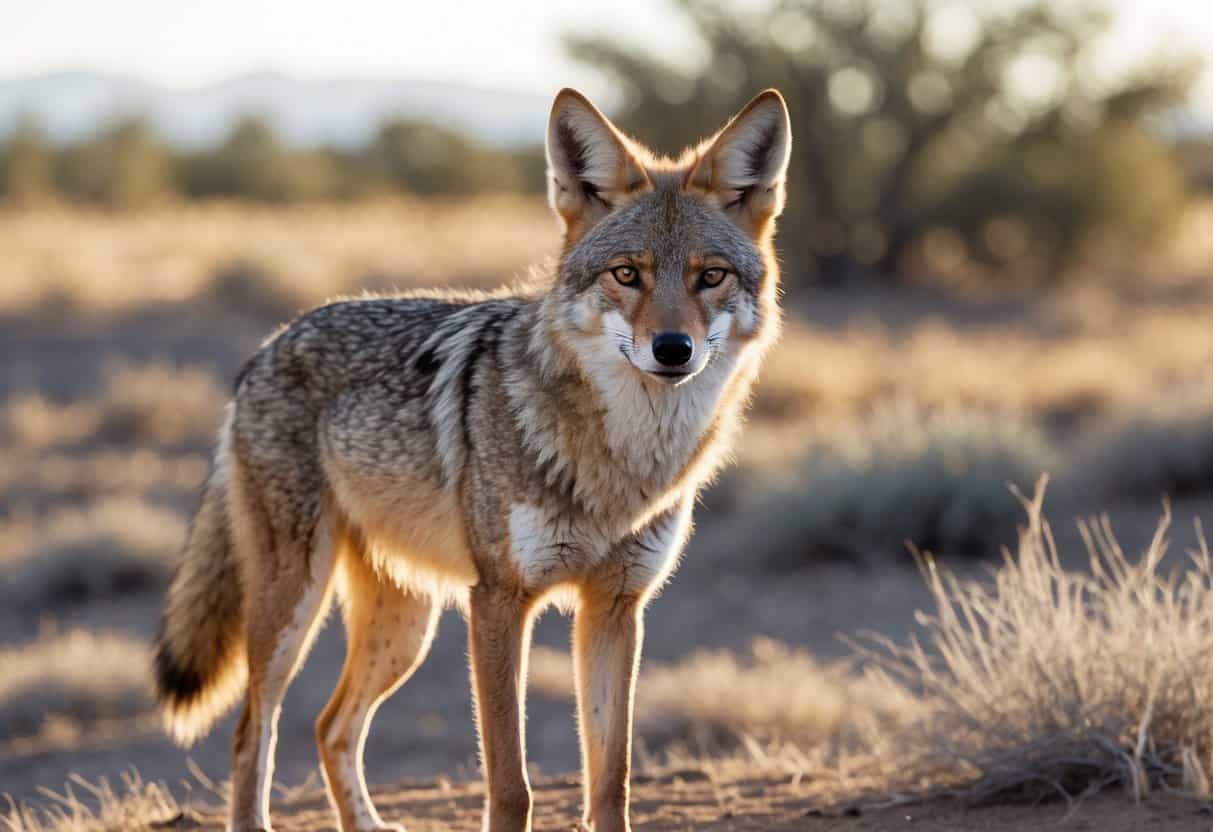
You’ve probably heard stories about bold coyotes hanging around neighborhoods. That usually happens when they lose their fear of us, often because they find easy food like pet food or trash. If you know why coyotes act this way, you can do a lot to keep your family and pets safe.
Learning what triggers coyote aggression and how to spot warning signs can help you feel more confident outdoors. In some places, coyotes behave differently, so having the facts really matters for your safety. Want more info? Here’s a solid guide on how dangerous coyotes really are.
Are Coyotes Aggressive to People?
Coyotes usually keep their distance from people and don’t act aggressive by nature. Still, some situations make them more likely to attack.
If you understand when coyotes might get bold, you’ll know how to stay safe and avoid trouble.
How Often Do Coyotes Attack Humans?
Coyote attacks on people are rare, but they do happen. Most attacks come when coyotes feel cornered or need to protect their pups.
In places like Cape Breton Highlands National Park, attacks pop up more often because of unique conditions. Coyotes there hunt moose, which seems to make them act braver around humans.
Even so, attacks are still extremely unusual. Most coyotes don’t see us as prey and only act aggressively if they’ve lost their fear—usually after finding food near homes or getting fed by people.
If you keep food locked up, you make it less likely that coyotes will bother you.
Understanding Aggressive Coyote Behavior
Coyotes act aggressive mainly when they’re guarding territory or their pups. This happens a lot during mating and pup-rearing seasons, when they get more defensive.
Aggression also pops up if coyotes find food from people. Once they start seeing us as a food source, they lose their natural fear and get bolder.
That’s when attacks on pets or even kids can happen.
Sometimes, coyotes howl or come close to houses. That might look scary, but often they’re just communicating or searching for food. Paying attention to what’s really going on helps you respond the right way.
Comparing Coyotes and Wolves
Coyotes and wolves aren’t the same—wolves are bigger and stronger, for starters. Coyotes weigh about 25-45 pounds, but wolves can be two or three times heavier.
Wolves usually avoid people even more than coyotes do. Coyotes, on the other hand, live closer to cities and towns, so we bump into them more.
Coyotes adapt quickly and will eat almost anything. That means people see them more often, but attacks still don’t happen much, especially compared to wolves.
Habituation and Human Encounters
When coyotes get used to people, they lose their fear. This usually happens when people feed them or leave food outside by accident.
If coyotes start feeling comfortable around us, they might come closer to homes or go after pets. That’s when aggressive behavior shows up, because they don’t feel scared anymore.
To stop this, don’t feed coyotes or leave pet food out. Put up fences and keep your trash secure so coyotes don’t hang around.
If you spot a coyote acting bold or aggressive, let local wildlife authorities know so they can handle it safely.
For more tips on coyote safety, check out this article on how to keep your family safe from coyotes.
Prevention and Safety Tips
You can protect yourself, your family, and your pets by knowing what to do around coyotes and making a few easy changes at home. Staying calm and acting confident when a coyote gets too close really helps.
If you’ve got kids or pets, it’s smart to be extra careful and make your yard less interesting to coyotes.
How to Respond to an Aggressive Coyote
If a coyote comes toward you, don’t run. Running just makes them want to chase you.
Instead, stand tall, wave your arms, and yell loudly to scare it off. Throwing small things like sticks or stones near (not at) the coyote can work too.
Some people carry noisemakers, like a can of rocks, to startle bold coyotes. If you see a coyote during the day that doesn’t seem scared, it’s probably used to people and could cause problems.
Let animal control or local officials know about any coyote acting aggressive or fearless. That kind of behavior usually means they need to step in to keep everyone safe.
Protecting Children and Pets
Coyotes pose a bigger risk to kids and pets than to adults, so you really need to watch them outside. Don’t let small children play alone in places where coyotes might be hanging around.
Keep your pets indoors at dawn, dusk, and during the night—those are the times coyotes like to wander. Grab a leash for walks, and honestly, letting pets roam free just isn’t worth the risk.
Take away anything that might tempt coyotes, like garbage, pet food, or fruit that’s fallen from trees. If you put up a tall fence with a curved top, you’ll make it much harder for coyotes to get into your yard.
Stay alert and keep an eye on your kids and pets. If you want more ideas on how to avoid run-ins with coyotes, check out the tips from the Urban Coyote Research Project.


