
Cocker spaniels are known for their joyful personalities and playful energy. Their natural instincts as hunting dogs can make them prone to digging. This behavior often comes from their need to explore and expend energy.
They can also dig if they feel bored or under-stimulated.
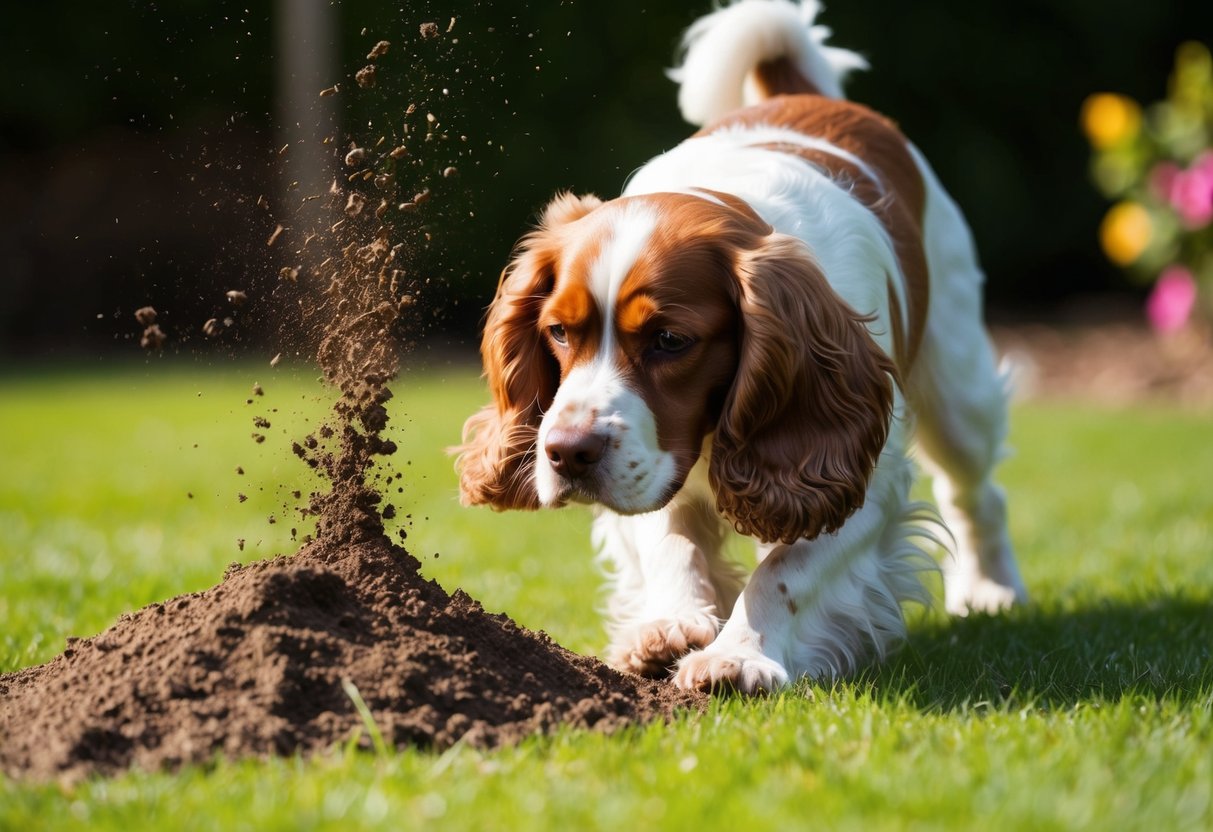
When you see your cocker spaniel digging in the yard, it might just be their way of having fun or searching for something interesting. Understanding this digging behavior is important to help you create a safe and enjoyable environment for your furry friend.
By providing plenty of exercise and mental stimulation, you can reduce the likelihood of excessive digging and keep your cocker spaniel happy and healthy. Engaging with them through play, training, and social activities will satisfy their instincts while also strengthening your bond.
Understanding Cocker Spaniels and Their Behaviors
Cocker Spaniels are lively and lovable dogs with unique behaviors. Understanding their instincts, need for exercise, and emotional health can help you address issues like digging.
Natural Instincts and Digging
Cocker Spaniels have natural instincts shaped by their history as hunting dogs. These instincts can make them dig to find small animals or explore their environment.
When your Cocker Spaniel digs, it may simply be acting on its natural curiosity. This breed is intelligent and needs outlets for their energy. Providing toys and activities can reduce digging behavior.
You might notice digging when your dog feels bored or restless. Be sure to supervise your dog outdoors to redirect harmful digging while encouraging safe exploration.
The Role of Exercise and Mental Stimulation
Cocker Spaniels are energetic dogs that require regular physical activity. Daily walks, playtime, and social interaction keep them fit and happy. Lack of exercise can lead to boredom and destructive behaviors, including digging.
Engaging your Cocker Spaniel in a variety of activities can also satisfy its intelligent nature. Puzzle toys, training exercises, and interactive games provide mental stimulation that reduces the urge to dig.
Consider incorporating agility or obedience training into your routine. This not only burns off energy but also strengthens your bond. Make sure to keep things varied so your dog remains interested and engaged.
Separation Anxiety and Its Effects
Cocker Spaniels are social dogs that thrive on companionship. When left alone for long periods, they may experience separation anxiety. This can lead to unwanted behaviors, such as digging.
If you notice your Cocker Spaniel digging while you’re away, it might be a sign of distress. Creating a comfortable space with toys and comfort items can help ease anxiety.
Gradually increasing the time your dog spends alone can also help it adjust. In cases of severe anxiety, consulting a veterinarian or a dog behaviorist may be necessary to find effective solutions.
How to Address and Redirect Digging Behavior

Dealing with a Cocker Spaniel’s digging can be a challenge, but you can guide their behavior through specific strategies. By creating a designated digging area, engaging them in non-aggressive games, and applying positive reinforcement techniques, you can help redirect their energy effectively.
Creating a Designated Digging Area
To manage your dog’s digging, consider setting up an allowed digging area in your yard. Choose a spot where it’s acceptable for your Cocker Spaniel to dig freely.
Make the designated area attractive by mixing in some loose soil, toys, or even buried treats. This encourages your dog to dig there instead of other places in your yard. Supervise your dog in this area at first.
If they dig in the right spot, praise them enthusiastically. Consistency is key to reinforcing this behavior.
You can gradually allow more freedom while making sure they understand where it’s acceptable to dig.
Non-Aggressive Games and Activities
Providing mental stimulation through games is essential. Engage your Cocker Spaniel in activities like hide-and-seek or fetch. These games burn off energy and reduce the urge to dig out of boredom.
Consider giving them interactive toys or puzzle feeders that challenge them mentally. This can keep their minds busy and help expend some of their energy.
Additionally, short training sessions are beneficial. Teach them commands or fun tricks. The focus on learning substitutes the need to dig.
Remember to keep playtime fun and rewarding to build a strong bond.
Positive Reinforcement Techniques
Use positive reinforcement to redirect your Cocker Spaniel’s digging behavior. When your dog refrains from digging or plays in the designated area, reward them with treats or praise.
If you catch them digging elsewhere, gently redirect their attention to an appropriate activity. Avoid harsh corrections, as they can create anxiety.
Instead, encourage compliance with a calm voice. Regularly integrating consistency and patience will help your dog learn over time.
Celebrate small victories along the way. This builds trust and strengthens your relationship, making training a smoother process.
Tips for Preventing Unwanted Digging
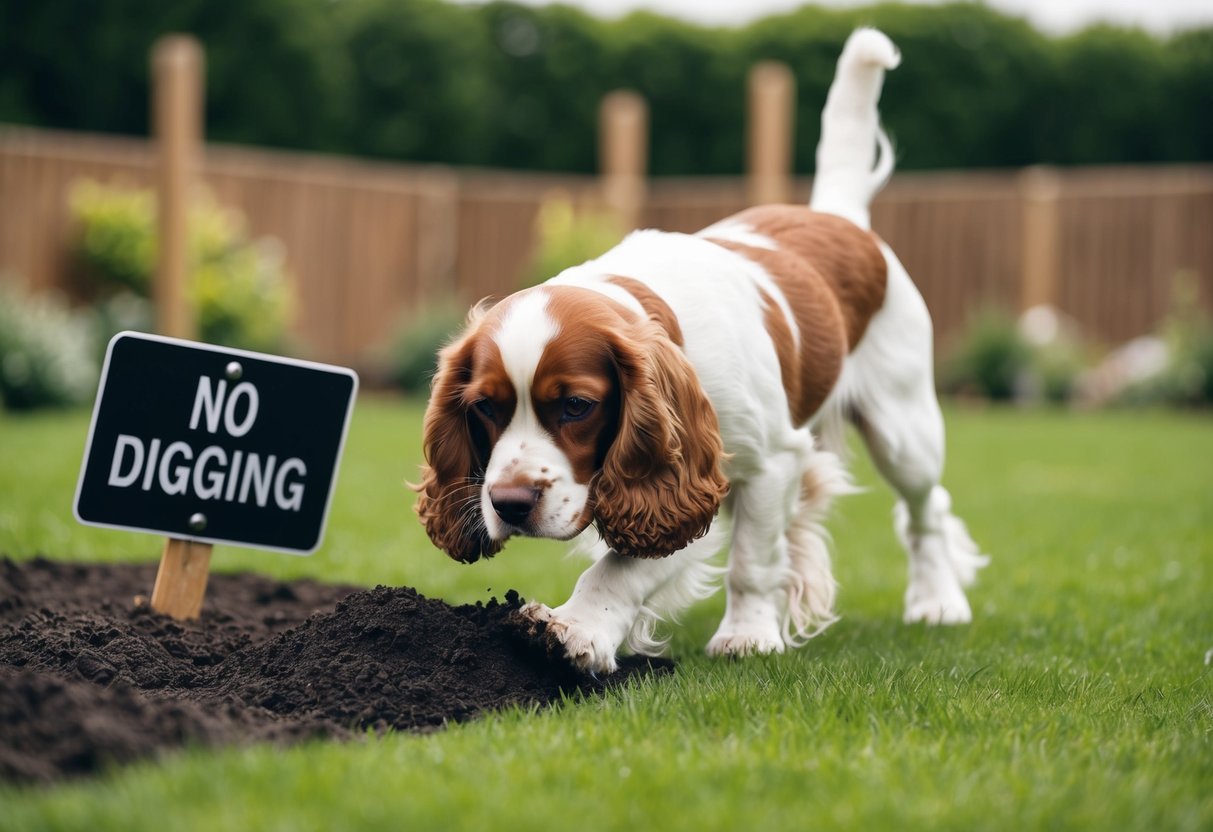
To help prevent your Cocker Spaniel from digging, focus on their needs. Here are some effective tips:
-
Exercise and Mental Stimulation: Make sure your dog gets plenty of physical activity. Daily walks, playtime, and games keep them active and happy. Mental stimulation through puzzle toys will also help tire them out.
-
Designated Digging Area: Create a specific spot in your yard where they are allowed to dig. Fill it with loose soil or sand. Encourage your dog to use this area, rewarding them when they do.
-
Positive Reinforcement: Use treats and praise when your Cocker Spaniel behaves well. If they choose not to dig, reward them right away. This method helps them learn what is acceptable.
-
Consistency and Patience: Be consistent with your training. Every family member should enforce the same rules. Patience is key. It may take time for your dog to change their digging habits.


