
It can be surprising and worrying when your Cocker Spaniel starts to growl at you. This behavior often means your dog is feeling uncomfortable or threatened in some way. Canine communication is key to understanding why your furry friend reacts this way.
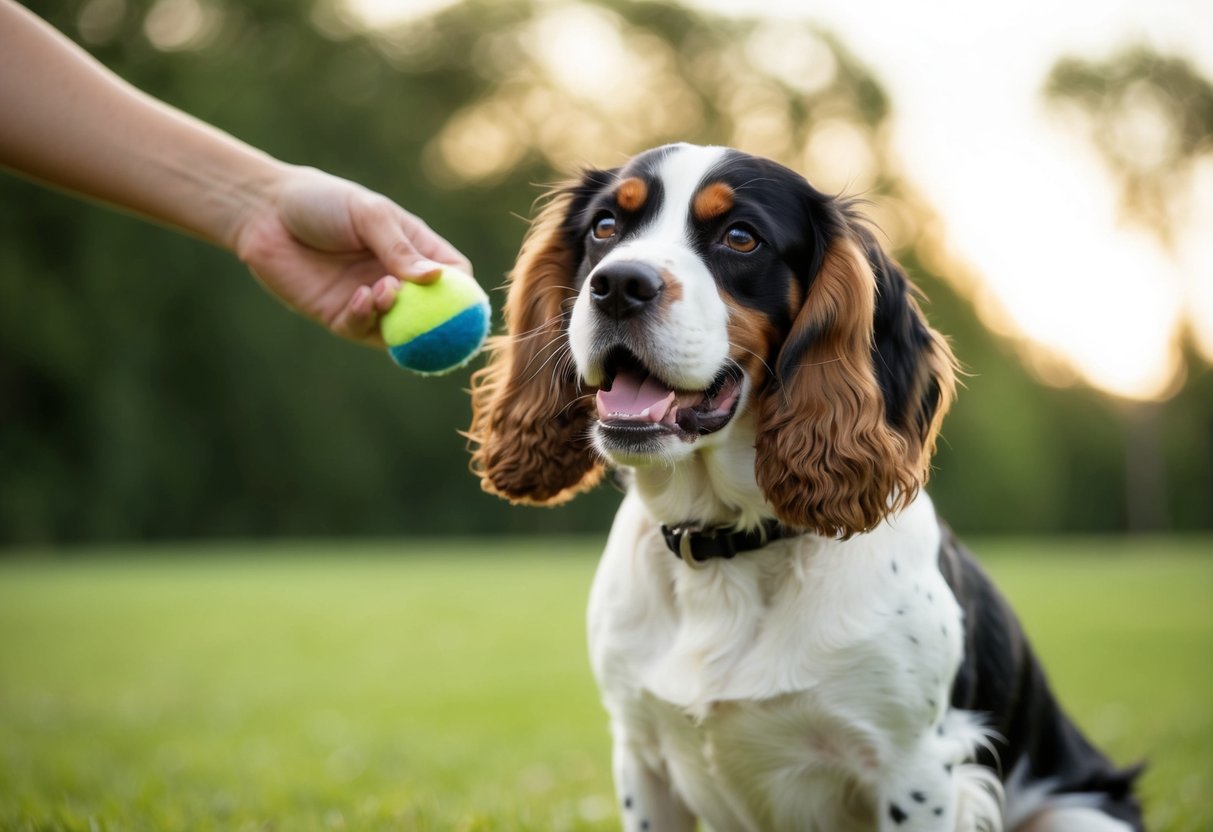
Growling can signal various emotions, from fear to a desire for personal space. If your spaniel is shy or anxious, they might growl when they feel overwhelmed.
It’s important to pay attention to their body language and the context of the growl to better understand their needs and feelings.
Being aware of your dog’s behavior can help you respond appropriately. By creating a safe and comfortable environment, you can strengthen the bond between you and your Cocker Spaniel, leading to a happier relationship.
Understanding Canine Communication

Dogs communicate through a mix of sounds and body language. By paying attention to your spaniel’s growls and movements, you can better understand what they are trying to say.
Decoding Growls and Body Language
Growling is a common form of communication in dogs. It can mean different things based on the situation.
- Playful Growl: Often high-pitched or accompanied by a wagging tail. Your dog may growl when they are excited to play.
- Warning Growl: Usually deep and low, signaling discomfort or a need for space.
To decode growls, observe your spaniel’s body language. Look for:
- Tail Position: A high tail may indicate excitement, while a low or tucked tail could show fear or submission.
- Ears: Upright ears suggest alertness, while flattened ears often indicate fear or anxiety.
Combining these signals can help you understand your dog’s feelings better.
The Meanings Behind Growling
When your spaniel growls at you, it’s important to consider the context.
- Fear: Your dog may feel threatened by something or someone.
- Discomfort: If you touch a sensitive area, your dog might growl to let you know they don’t like it.
- Attention-Seeking: Sometimes, a growl is a request for attention or play.
Responding correctly to growling involves calming your dog. Speak softly and avoid sudden movements. Create a sense of safety by ensuring your dog feels secure in their environment. This understanding will help strengthen your bond with your spaniel and improve communication between you both.
Common Reasons for Growling

Understanding why your spaniel growls at you is important for addressing the behavior. Growling can stem from several reasons, including discomfort, resource guarding, lack of socialization, and asserting dominance.
Discomfort and Pain
Growling can be a sign that your spaniel is feeling discomfort or pain. If your dog is injured or unwell, they might growl when you approach them. This is their way of communicating that they need space.
Pay attention to your dog’s body language. If they shy away or flinch, there might be an underlying issue. Conditions like arthritis or injuries can make movement painful, causing your dog to growl when bothered.
If you suspect pain, consider a visit to the vet. Identifying and treating the problem can help ease the discomfort and reduce growling behavior.
Resource Guarding Behavior
Spaniels, like many dogs, can show resource guarding behavior. This happens when they feel the need to protect items they consider valuable, such as food, toys, or bones. Growling serves as a warning to keep others away.
If your spaniel growls while eating or when you approach their favorite toy, it’s important to understand this behavior.
You can teach your dog that sharing is safe by using positive reinforcement and encouraging them to drop items in exchange for treats.
Avoid putting your hand near their food or possessions. Instead, create a sense of security around sharing to help reduce resource guarding.
Lack of Socialization and Fear
A lack of socialization can lead to fear-driven growling. If your spaniel hasn’t been exposed to various environments, people, or other pets, they might feel threatened and vocalize their fear.
Take gradual steps to expose your dog to new experiences. Positive encounters can help build their confidence. Start with calm environments and slowly introduce louder or busier settings.
Spend time with friendly dogs and people to help your spaniel learn that new experiences aren’t dangerous. This increased confidence can reduce anxiety-related growling.
Asserting Dominance or Control
Sometimes, growling can be a way for your spaniel to assert dominance or control in a situation. This might occur when they feel the need to protect their space or show leadership in a social setting.
Clear rules and boundaries can help manage this behavior. Consistent training reinforces your role as the leader, giving your spaniel structure and reassurance. Use commands and rewards to teach them acceptable behavior.
Be patient, as this process takes time. With consistent training, your spaniel can learn to express themselves in more positive ways, reducing instances of growling.
Behavior Modification Techniques
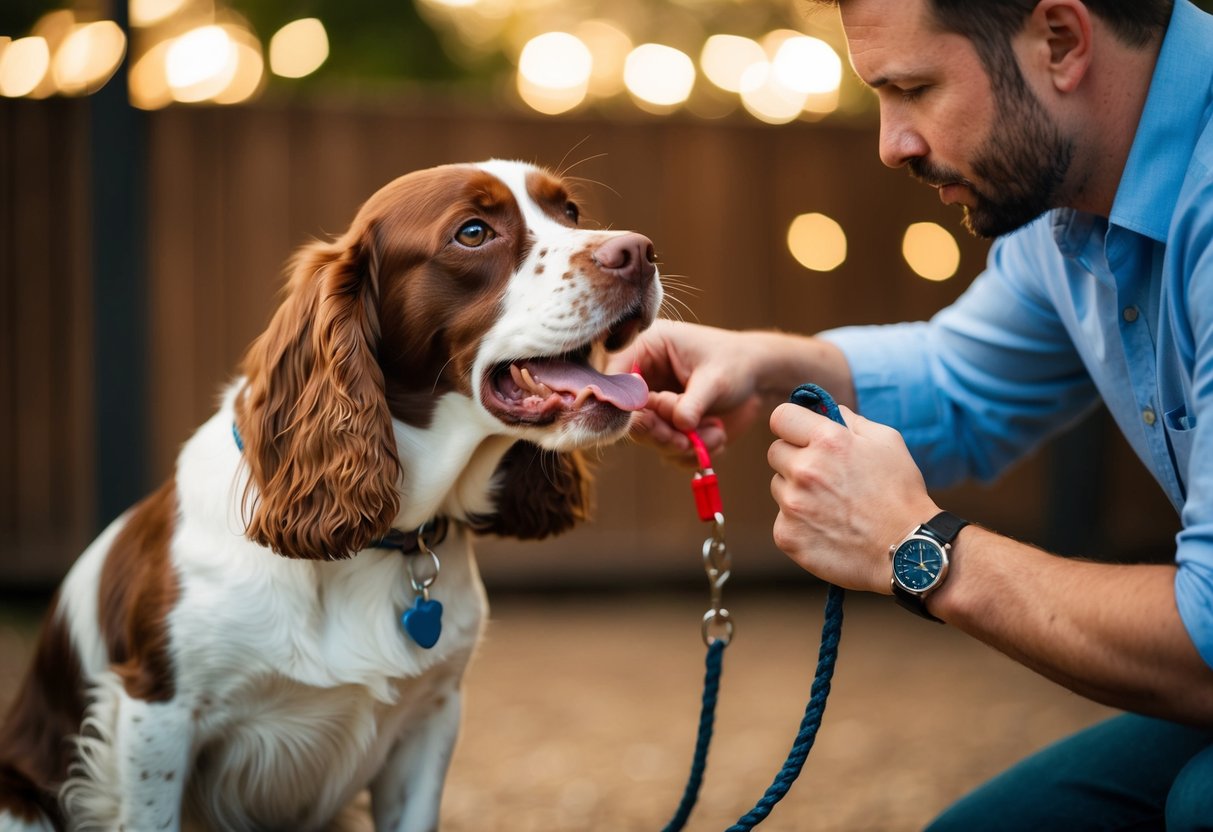
When your spaniel growls, it’s important to understand that this behavior can be addressed through behavior modification techniques. These methods can help reduce growling by changing how your dog responds to certain triggers.
Steps in Desensitization
Desensitization involves gradually exposing your spaniel to the situations that cause growling.
Start by identifying the specific triggers that lead to the growling behavior. If your dog growls when someone approaches while eating, begin by standing at a distance during meals.
Slowly reduce the distance over time. Pair this exposure with treats to create a positive experience.
For example, each time someone gets closer and your spaniel remains calm, reward them with a treat. This gradual approach helps your dog learn that the presence of others doesn’t mean they need to growl.
Establishing Positive Associations
Establishing positive associations is another effective method. This means associating good things with situations that usually trigger growling.
For example, if your dog growls when someone pets them, have a friend give treats instead of petting.
You can also practice “look at that” training. When your spaniel sees the trigger, have them look at you for a treat. This shifts their focus from the trigger to something positive.
Use calm and encouraging tones to keep the atmosphere relaxed. Over time, your dog can learn to respond positively rather than with growling.
Consistency in Training
In any training, you should use the same commands and techniques. Throughout the behavior modification process, make sure to use the same commands and techniques. If you use treats, ensure everyone in the household does the same.
Regular training sessions should be short but frequent. Aim for five to ten minutes a couple of times a day. Keeping sessions upbeat and rewarding helps maintain your spaniel’s interest. Remember, the goal is to create a safe space for your dog. This will help reduce the risk of snapping or biting in the future.


