
Walking a Cocker Spaniel can be both a joy and a challenge. Cocker Spaniels can learn to walk nicely on a leash with the right training and patience, making your walks enjoyable. These dogs are energetic and love to explore, so it’s important to understand their needs before hitting the trail.
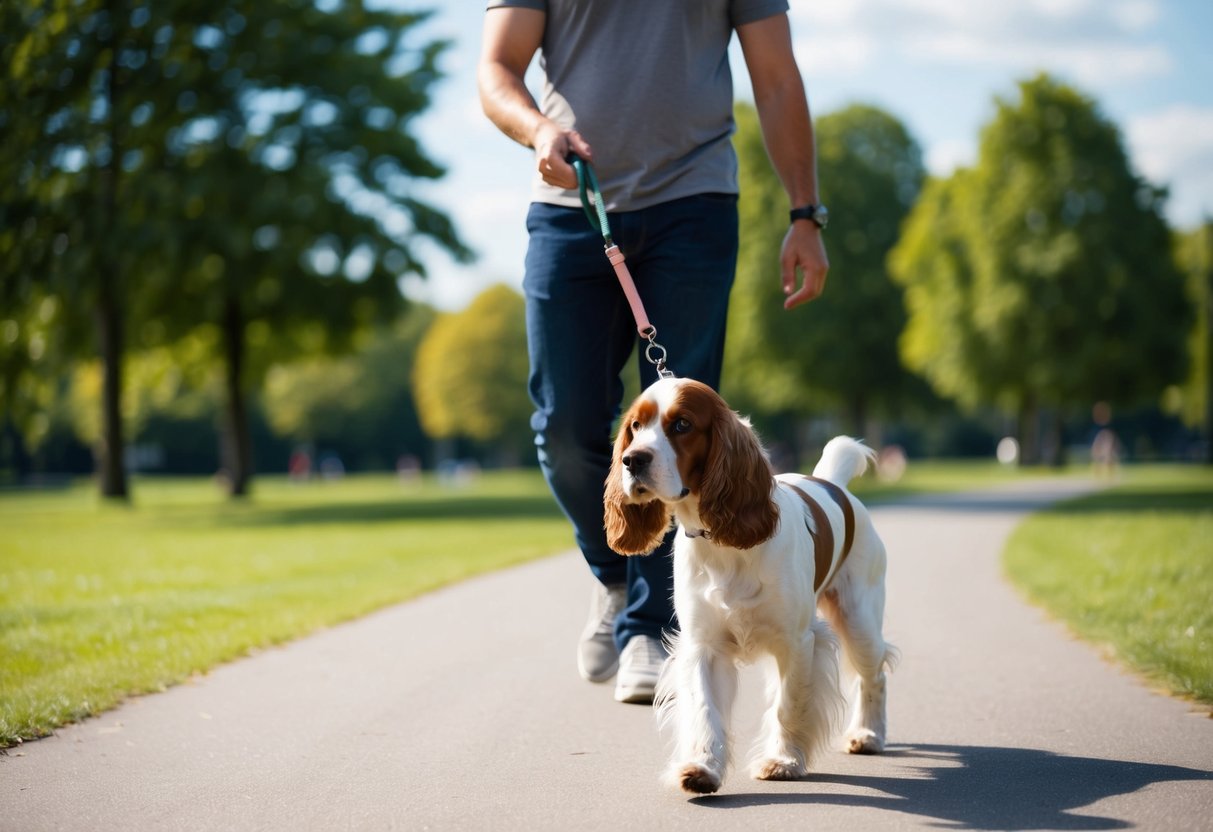
Many owners find that Cocker Spaniels can be stubborn and may pull on the leash if not properly trained. Beginning with leash training at a young age helps set the foundation for good behavior during walks.
Consistent practice and positive reinforcement can lead to smoother outings with your furry friend.
With the right approach, walks can be a great bonding experience. As you learn how to manage your Cocker Spaniel’s energy and enthusiasm, you’ll likely look forward to your daily adventures together.
Keep reading to discover effective tips for walking and training your Cocker Spaniel.
Understanding Cocker Spaniels

Cocker Spaniels are popular dogs known for their friendly nature and energetic personalities. To help you better connect with your Cocker Spaniel, let’s explore their temperament, physical traits, and exercise needs.
Temperament and Behavior
Cocker Spaniels are known for their loving and loyal temperament. They are friendly dogs that enjoy being around people, making them great family pets.
These dogs can be playful and sometimes a bit stubborn, so consistent training is essential. They can get along well with other pets and children. However, early socialization is crucial to ensure they develop into well-rounded adults.
Keep in mind that Cocker Spaniels can become anxious if left alone for long periods. They thrive on companionship and will enjoy spending time with you. Ensure you provide them with plenty of affection and attention.
Physical Characteristics
Cocker Spaniels come in two main types: the American Cocker Spaniel and the English Cocker Spaniel. Both types are medium-sized dogs with distinctive long, flowing coats.
The American Cocker has a more rounded head and a slightly shorter body, while the English Cocker has a more elongated and athletic build. Coat colors vary widely, including black, chocolate, and various combinations.
Their playful appearance is enhanced by their large, expressive eyes and long ears. Cocker Spaniels are known to shed, so regular grooming is necessary to keep their coat healthy and matt-free. As they age, be mindful of health conditions that may arise, such as hip dysplasia and ear infections.
Exercise Needs
Cocker Spaniels require regular exercise to stay happy and healthy. Ideally, they need around 60-90 minutes of activity each day.
You should consider splitting this into two or three walks, helping to burn off energy and maintain a healthy weight. Engaging in activities like fetch or agility can also provide mental stimulation.
For puppies, shorter, gentle exercise sessions are best to avoid joint strain. As your Cocker Spaniel matures, they will match the energy levels of older dogs. Even senior Cocker Spaniels benefit from moderate exercise to keep them active and content.
Training and Walking Techniques

To make walking your Cocker Spaniel easier, it’s essential to focus on proper training and techniques. This will help create a more enjoyable experience for both of you while minimizing frustration.
Leash Training Basics
Leash training is vital for your Cocker Spaniel’s walks. Start by choosing a sturdy collar and leash that provide good control.
Begin training in a quiet area to limit distractions. Use the 5-minute method, which involves short, focused sessions.
As you walk, keep the leash relaxed and allow your dog to explore. If your dog pulls, stop walking. This teaches them that pulling won’t get them where they want to go.
Remember to frequently check your dog’s collar for security. A well-fitted collar will keep your pup safe and comfortable.
Positive Reinforcement Strategies
Positive reinforcement is your best friend in training. Always reward your Cocker Spaniel when they walk nicely beside you. You can use treats, toys, or praise to encourage good behavior.
Set clear commands like “heel” or “easy” to guide your dog. When they respond well, immediately offer your chosen reward.
Keep sessions light-hearted and fun to maintain their interest.
With consistent practice, your dog will learn what you expect. Patience is key; don’t rush the process. If your dog struggles, simply repeat the techniques without getting frustrated.
Addressing Walking Challenges
Walking your Cocker Spaniel can come with its own set of challenges. Some dogs may react to other animals or distractions.
Start by exposing your dog to controlled environments. If they become overly excited, stop and use commands to refocus their attention.
Gradually increase the challenge level when they show improvement.
It’s important to remain calm during these moments. Frustration can hinder your training progress.
Consistently redirect their focus and reward them for good behavior.
Understanding your dog’s body language will also help you anticipate issues. With practice and patience, you can work through any challenges that arise.
Exercise and Activities

Cocker Spaniels thrive on regular physical and mental activities. Keeping them engaged not only helps with their health but also enhances their overall happiness. This section covers daily exercise routine, interactive playtime, and advanced training options to help you create a fulfilling activity schedule.
Daily Exercise Routine
Your Cocker Spaniel needs a solid daily exercise routine. Aim for 60 to 90 minutes of activity each day. You can break this into two sessions: one in the morning and one in the evening.
Regular walks, around 45 minutes each, are essential for burning off energy.
During these walks, allow your dog to explore different scents. Cocker Spaniels enjoy sniffing around, which makes their walk enjoyable.
Remember to monitor your dog’s pace, especially if they are still growing or getting older. Puppies might need shorter sessions, while seniors should have about 30 to 60 minutes to keep their joints healthy.
Interactive Play and Mental Stimulation
In addition to daily walks, include interactive play to keep your Cocker Spaniel mentally stimulated.
Activities like fetch are great for both exercise and bonding. Use a tennis ball or a favorite toy to engage them.
You can also practice brain training exercises with your dog. Teaching them new tricks or commands can be a fun way to stimulate their mind.
Consider using puzzle toys filled with treats to keep them entertained. These activities help reduce boredom and prevent unwanted behaviors that may arise from a lack of stimulation.
Advanced Training and Agility
For an active Cocker Spaniel, advanced training and agility exercises can be rewarding.
Agility training courses offer a fantastic way to challenge your dog physically and mentally. You can set up a simple obstacle course in your backyard with cones, hoops, and jumps.
Take time to teach your dog the moves step by step. Use positive reinforcement like treats and praise to encourage them.
Remember, Cocker Spaniels are eager to please, making training enjoyable for both you and your dog.
Regular agility training not only keeps them fit but also enhances their focus and confidence.
Health and Well-Being

Taking care of your Cocker Spaniel’s health and well-being is important for keeping them happy and fit. You need to focus on their diet, manage any hyperactivity or anxiety, and ensure proper care for senior dogs. Each aspect plays a vital role in their overall quality of life.
Diet and Nutrition
Providing a balanced diet is essential for your Cocker Spaniel. Look for high-quality dog food that lists meat as the first ingredient.
Cocker Spaniels require a mix of protein, fats, and carbohydrates along with vitamins and minerals.
Consider portion control to prevent obesity, which can lead to health issues. You might find it helpful to feed them smaller meals throughout the day.
Treats can be great for training, but use them sparingly.
Incorporate fruits and vegetables as healthy snacks. Always make sure your dog has access to fresh water.
Consult your vet about any specific dietary needs or restrictions based on your dog’s age and health conditions.
Managing Hyperactivity and Anxiety
Cocker Spaniels can sometimes be hyperactive or anxious, especially if they do not get enough exercise. Regular walks and playtime can help manage this energy.
Using techniques like crate training can provide a safe space for your dog when needed.
Socialization is also crucial. Expose your Cocker to various environments and other dogs to reduce fear and anxiety.
If your dog shows signs of separation anxiety, consider puzzle toys to keep them engaged when you’re away.
You might explore calming aids if needed, such as special collars or supplements, but always consult your vet before trying something new.
Senior Cocker Spaniel Care
As Cocker Spaniels age, their needs change. You should take them for regular vet check-ups to monitor for common health conditions. Also, your senior dog may require a special diet to support joint health and reduce weight.
Your senior dog may need a special diet to support joint health and reduce weight. Also, make sure to provide gentle exercise to keep their muscles strong without overdoing it. Short walks are better than long runs.
You should provide gentle exercise to keep their muscles strong without overdoing it. Short walks are better than long runs. Also, adjusting their home environment is important. Provide areas that are easy to access and consider using dog ramps if your Cocker struggles with stairs.
Make sure to provide areas that are easy to access and consider using dog ramps if your Cocker struggles with stairs. Also, regular grooming is essential for maintaining their health and comfort as they age.


