
Ever wondered if chimps are naturally aggressive? Well, yeah, they are—but that’s definitely not the whole story.
Chimps sometimes act violently, attacking within or between groups, but honestly, those moments are just a small slice of their day. Most of the time, you’ll catch them hanging out, grooming each other, or searching for food in pretty peaceful ways.

Aggression is in chimpanzees’ nature, deeply rooted in their biology and social lives, not just something that happens because of humans. Their violence doesn’t mainly come from people disturbing them—it’s tied to survival, group drama, and territory.
Once you start digging into it, you’ll notice chimps are both fierce and social, which makes them a lot more complicated than just “wild and dangerous.” If you’re curious, there’s a good read on chimpanzee aggression and evolution.
Understanding Chimpanzee Aggression
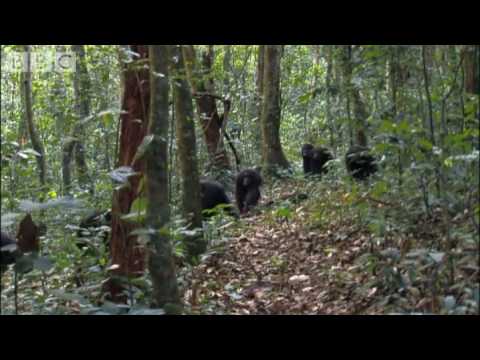
Chimpanzees show different levels of aggression depending on their environment and who’s around. Some behaviors pop up a lot, while things like lethal aggression are rare but have a big impact.
When you look closer, you start to get why chimps sometimes act out.
How Common Is Aggression in Chimpanzees?
Aggression happens in chimpanzees, but honestly, it’s not their default mode. Most of their day goes to grooming, chilling out, or playing.
You’ll see fights over territory, mates, or food, but these moments don’t last long. Lethal aggression—when chimps actually kill—happens less often and is way more serious.
Researchers have tracked wild chimps for years and counted about 152 killings across several groups. So, violence is in the mix, but it’s not how chimps spend most of their time.
Forms of Chimpanzee Violence
Chimpanzee violence shows up in a bunch of ways, from threats and loud displays to real attacks. You might spot:
- Threat gestures: loud screams, charging, or smacking the ground
- Fighting: biting or hitting during physical clashes
- Lethal aggression: coordinated attacks that sometimes end in death
Rival groups often get into lethal aggression, especially when they’re defending territory or resources. These attacks feel more planned than just random scuffles.
It’s wild how these behaviors help chimps keep order and compete.
Factors That Influence Aggressive Behavior
A few things set off chimp aggression. You’ll notice more aggression when lots of males gather or when space feels tight.
Groups with more chimps packed together get into more fights. Chimps also get aggressive to guard their turf or make sure they get to mate.
This stuff seems pretty natural, not just something humans cause. Research says human activity doesn’t directly make chimps more aggressive, but messing with their habitats can ramp up tension.
Bonobos, who are close relatives, act way less violent, so social structure seems to matter too. Looking at these factors helps you see what really drives chimp aggression.
For a deep dive, check this 54-year study on chimp violence.
Aggression in Chimpanzee Communities: Causes and Comparisons

So why do chimps act aggressively sometimes? The reasons usually connect to defending space, keeping their social rank, and dealing with outside pressures.
You’ll spot some similarities—and differences—when you compare this to human aggression.
Territorial and Resource-Based Conflict
Chimpanzee communities defend their territories fiercely. They’ll use aggression to keep outsiders away and protect their food.
When groups meet at the edges, males often patrol together, looking for a shot to attack rivals. These attacks can get deadly, especially when coalitions of males gang up on weaker neighbors.
Territorial fights help chimps hang onto food, mates, and safe places to live. If they lose their turf, their chances of surviving and having babies drop.
Researchers have seen this kind of aggression everywhere, even in remote areas with little human contact. You can dig into the details in this study on lethal coalitionary aggression.
Dominance and Social Hierarchy
Inside chimp groups, there’s a pretty clear pecking order. Alpha males lead, but others form alliances to climb the ranks.
Aggression helps them gain or hold onto power. You’ll see grooming and alliances play into these battles, as males team up against competitors.
Rank decides who gets to breed and who eats first. When competition gets heated, fights can turn physical or even deadly. But honestly, not all aggression is violent; sometimes just a threat or display is enough to avoid a real fight.
This social setup keeps the group stable, but it definitely creates tension that can bubble over.
Influence of Human Activity
Some people blame humans for ramping up chimp aggression, but most research points to these behaviors being natural. Sure, habitat loss and crowding can stress chimps out, but studies from remote populations show they’ve always acted this way.
A 54-year review found aggression is just part of being a chimp, not just a reaction to humans. If you want to read more, check out this article at Live Science.
Still, human activity can make things worse by shrinking their space and resources, which can spark more fights. But at the core, chimp aggression comes from their biology and social needs.
Chimpanzees Versus Human and Primate Aggression
Chimpanzee aggression has a few things in common with human warfare. You’ll see group attacks and territorial fights pop up in both.
But chimps usually fight over immediate stuff—food, mates, that kind of thing. Human conflict, on the other hand, often gets tangled up in ideas or politics, which feels way more complicated.
Other primates get aggressive too, though chimps stand out for their lethal group attacks. These can turn out deadlier than what you see in most animals.
Chimps don’t act aggressively all the time. Something specific—like competition or social stress—usually sets them off.
If you line up chimps, humans, and other primates side by side, you’ll spot some overlap in group behavior. Still, the complexity and frequency of aggression really differ.
Curious about the details? Studies on primate social dynamics dig deeper into these patterns.


