
So, are bees good to have around? Honestly, yes. Bees play a huge part in helping plants grow, which means you get more flowers and fresh fruits or veggies right in your own yard. They work as pollinators, moving pollen from flower to flower so plants can make seeds and fruit.
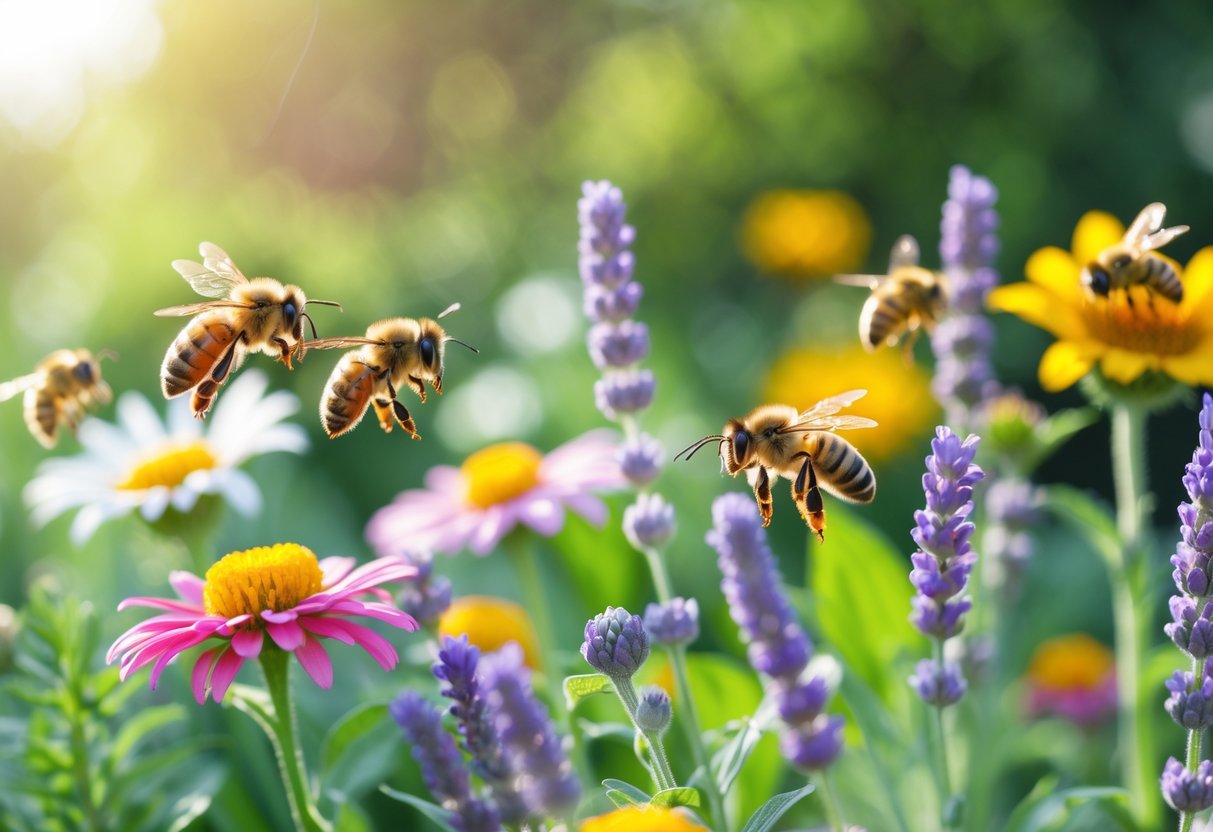
When you have bees nearby, your garden just seems healthier and more colorful. If you keep beehives, you’ll also get honey and a few other cool products.
It’s smart to give bees some space and keep their flight paths open, but honestly, they’re more helpful than troublesome.
You probably don’t notice every bee buzzing past, but their work supports a lot of the food we eat. Once you know why bees matter, it’s hard to see them as pests—they’re more like helpful neighbors.
Why Bees Are Beneficial to Have Around

Bees help plants grow and keep your garden healthy. They carry pollen from flower to flower, which helps fruits, veggies, and flowers make seeds and grow.
Different bees have their own ways of working, and each supports the ecosystem in its own way.
Importance of Bees as Pollinators
You’ll find bees are some of the most important pollinators around. When bees gather nectar and pollen, they move pollen grains between plants.
This process lets plants reproduce and create fruits and seeds.
Without bees, many crops struggle to grow. That can mean fewer fruits and veggies in gardens and on farms.
Honeybees, bumblebees, and native bees all help with pollination.
Pollination by bees also keeps ecosystems healthy and supports biodiversity. When you protect bees, you help food systems and the wider environment.
How Bees Support Garden Ecosystems
Bees boost your garden by pollinating flowers, which means better fruits, veggies, and blooms. As they move pollen, they help increase plant diversity and make your garden’s ecosystem stronger.
More plant diversity means more food and shelter for other wildlife.
Some bees, like leafcutter bees and mason bees, focus on certain plants and make pollination extra efficient.
This variety makes sure lots of flowers get pollinated, even when honeybee numbers drop due to things like colony collapse disorder.
A strong bee population also helps keep pests in check. Pollinated plants grow healthier and fight off diseases better, so your garden keeps thriving.
Types of Bees You Might Encounter
You’ll probably spot different bee species out there, and each one does its own thing.
- Honeybees: These live in big colonies, pollinate lots of plants, and make honey.
- Bumblebees: They’re bigger and fuzzier, and they use buzz pollination to shake pollen loose.
- Mason bees: These solitary bees nest in little holes and do a great job pollinating fruit trees.
- Leafcutter bees: They carry pollen on their bellies and cut leaves to build nests. Super efficient for gardens.
- Solitary native bees: They live alone, don’t make honey, but still pollinate plenty of plants.
Each bee type brings something unique, and together, they make your garden more productive.
Common Concerns and Safety
Maybe you worry about bee stings. Bees usually sting only to defend their nests, so they aren’t aggressive unless you bother them.
If you keep bees away from busy areas and kids, you lower the risk.
Plant flowers away from high-traffic spots to keep both bees and people happy. If a hive pops up too close to home, you can call for safe, humane removal to protect everyone.
When you understand bee behavior, it’s easier to enjoy their benefits and stay safe. Encouraging native bees is a simple way to keep your garden buzzing without much hassle.
Check out irescuebees.com for more on managing bees safely.
Tips for Creating a Bee-Friendly Yard

If you want bees to stick around, give them food, shelter, and a safe spot to thrive. Pick the right plants, create cozy nesting spots, and keep chemicals out of your garden.
These steps help bees visit more often and stay healthy.
Choosing the Best Flowers for Bees
To draw bees in, plant lots of native flowers that bloom at different times. Bees love nectar-rich choices like lavender, goldenrod, milkweed, and asters.
Add sunflowers or mint to attract even more bees, plus butterflies and wasps (which help pollinate, too).
Try to use plants native to your area. Native flowers offer the best food and fit right into the natural cycle.
Early bloomers like crocus and apple blossoms give bees a boost in spring.
Plant flowers in clusters so bees can find food easily. Skip hybrids with less nectar.
Mix up colors and shapes to attract a bigger variety of bees.
Providing Shelter and Water
Bees need safe nesting spots and places to rest. Leave some bare soil or set up a bee hotel with hollow stems and small tubes for solitary bees.
Don’t disturb these nests, or bees might move on. Put water nearby, like a shallow dish with stones or a little birdbath.
Make sure bees can land easily and the water stays clean.
Brush piles, logs, or quiet corners work well for shelter. Give bees some sunny spots to warm up and shady areas to cool down.
Avoiding Pesticides and Harmful Practices
Pesticides pose a huge threat to bees. If you want to keep your yard safe, skip the chemical sprays—especially insecticides. They can hurt bees right away or mess up the nectar and pollen bees need.
If you really need pest control, go for organic or natural options. Sometimes you can just pick off pests by hand, or use simple barriers to protect your plants without putting bees at risk.
Try not to mow big patches of flowers too often. Letting native plants and wildflowers spread gives bees more food and keeps your little ecosystem balanced.
If bees nest somewhere you don’t want, don’t try to handle it yourself—call in experts for safe removal. Hurting the bees isn’t worth it.
Want more ideas? Check out these tips on how to create a bee-friendly yard.


