
Beagles are known for their friendly nature and curious personality, making them great companions. They do require attention and care, but you can maintain them easily with the right approach.
This breed is energetic and loves to explore, so you’ll need to provide plenty of exercise and mental stimulation to keep them happy.

Caring for a beagle means engaging with their playful side while also meeting their needs. Regular training and socialization are important to help them behave well at home. They thrive in environments where they can interact with you and other pets, so keeping them busy with toys and activities is key.
If you’re considering bringing a beagle into your life, understanding their needs is essential. With a little patience and commitment, you can enjoy a rewarding relationship with your beagle that brings joy to both of you.
Understanding Beagle Temperament and Social Needs

Beagles have a friendly temperament and strong social needs. Meeting these needs is key to ensuring your Beagle is happy and well-adjusted. Socialization and training play significant roles in shaping their behavior.
The Importance of Socialization
Beagles thrive on social interaction. Early exposure to different people, pets, and environments helps them become well-rounded. You should introduce your Beagle to new experiences gradually.
Beagles are great with children, making them excellent family pets. Regular playtime and positive interactions help strengthen their bonds with family members.
If your Beagle feels isolated, they may become anxious or destructive. You can avoid this by arranging playdates with other dogs or taking them to dog parks. This interaction satisfies their social needs and keeps them happy.
Effective Training Techniques
Training is essential for Beagles, as they are intelligent but can also be stubborn. Using positive reinforcement is one of the most effective techniques. Rewarding good behavior with treats or praise encourages them to repeat those actions.
Consider enrolling your Beagle in obedience classes. These classes provide valuable lessons for both you and your dog. They also offer social opportunities with other dogs.
Daily training sessions can incorporate fun activities like learning tricks and commands. You can use playtime to reinforce training, making it enjoyable and engaging. Cuddles and affection after training can strengthen your bond, making your Beagle more willing to learn.
Health and Wellness for Beagles

Maintaining your Beagle’s health is crucial for a happy life. You’ll want to be aware of common health issues, provide a balanced diet, and ensure they get enough exercise. Each aspect plays a significant role in your Beagle’s overall wellness.
Common Health Concerns
Beagles can face several health issues. Common problems include ear infections, often caused by their floppy ears trapping moisture. Regular cleaning can help prevent this.
Hip dysplasia is another concern, where the hip joint doesn’t fit into the hip socket correctly. This can lead to arthritis as your Beagle ages.
Allergies are also frequent, causing skin irritations. Additionally, Beagles can suffer from hypothyroidism and epilepsy, which require veterinary attention.
Eye problems like cherry eye may need surgical correction, so keeping up with regular veterinary check-ups is essential.
Diet and Nutrition
Feeding your Beagle a high-quality dog food is vital for their health. Look for foods rich in proteins, fats, and whole grains. This helps to maintain their energy levels and supports their immune system.
Be cautious of overfeeding, as Beagles are prone to obesity. Follow the feeding guidelines on the dog food package and adjust portions based on your Beagle’s activity level.
Adding fruits and vegetables as treats can be beneficial, but avoid harmful foods like chocolate or grapes. Always consult your vet for specific dietary recommendations.
Exercise Essentials
Daily exercise is important for your Beagle’s physical and mental health. Aim for at least 30 to 60 minutes each day, which can include walks, playtime, or fetch.
Regular activity helps prevent obesity and supports joint health, reducing the risk of hip dysplasia and other issues. Engaging your Beagle in interactive games can also keep them mentally stimulated.
Make sure your Beagle has a safe space to run and explore. Incorporate toys that challenge their abilities, as this will keep them happy and healthy.
Grooming and Physical Care
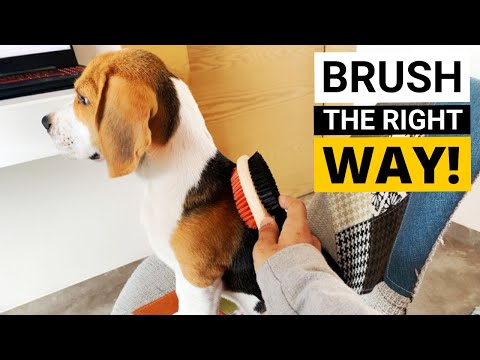
Caring for a beagle involves focused grooming and physical care. Keeping their coat healthy and ensuring proper hygiene is key to their well-being and happiness.
Coat Maintenance
Beagles have short coats that are relatively easy to manage, but they do shed. To keep stray fur to a minimum, brush your beagle’s coat at least once a week. This helps remove dead hair and distribute natural oils, keeping their coat shiny and healthy.
Using a medium-bristle brush or a hound glove is ideal. These tools are gentle on their skin while effectively catching loose fur. Pay special attention during shedding seasons, as they may require more frequent brushing. Regular brushing not only helps with shedding but also strengthens your bond with your pet.
Beagle-Specific Grooming Tips
Grooming your beagle is about more than just their coat. Here are some important tips:
- Check Ears: Beagles have long ears that can trap moisture and dirt. Clean them weekly to prevent infections.
- Nail Care: Trim your beagle’s nails every 4-6 weeks. Long nails can cause discomfort and affect their walking.
- Dental Health: Brush your beagle’s teeth regularly to prevent dental issues. Use dog-friendly toothpaste for the best results.
By following these grooming tips, you’ll not only keep your beagle looking sharp but also help them stay healthy and happy.
Day-to-Day Living with a Beagle

Living with a beagle is an engaging experience. These active, medium-sized dogs require a nurturing home and a well-structured routine to thrive.
Home Environment
Beagles are curious by nature, so be sure to secure valuable items and remove hazards. Keep small objects out of reach to prevent choking.
Designate a cozy spot for your beagle to rest, like a soft dog bed. They also enjoy interactive puzzle toys to keep their minds sharp. Regularly provide them with space to play and explore. Consider adding a safe area outdoors for exercise and fresh air.
Regular grooming keeps their coat clean and healthy. Brush them weekly to reduce shedding. Don’t forget their nails; trim them regularly to ensure comfort during walks.
Creating a Beagle-Friendly Schedule
Routine helps your beagle feel secure. Plan for at least one hour of exercise daily. This can include walks or playtime in the yard.
For beagle puppies, shorter, more frequent walks are ideal.
Incorporate feeding times into your schedule. Beagles can be prone to overeating, so measure their food to keep them healthy.
Use puzzle toys during feeding to slow down their eating and engage them mentally.
Include training during your daily routine. Beagles are smart but can be stubborn. Incorporate short, positive training sessions to teach them new commands and tricks.
Consistency and patience will lead to better behavior over time.


