
Beagles are known for their friendly and playful nature, but like any dog, they can exhibit certain behaviors that may raise concerns. Many dog owners wonder if Beagles are food aggressive. Generally, Beagles are not naturally aggressive, but they can display food guarding behaviors, especially if they feel their resources are threatened.

Understanding your Beagle’s eating habits is important for a happy home. Some dogs may become possessive over their food, leading to snapping or growling if they feel someone is intruding while they eat. This can often be mistaken for true aggression.
If you or someone in your family has experienced issues with a Beagle and food, it’s essential to address the behavior correctly. Recognizing the signs and using proper training can help create a more positive environment during mealtime, ensuring that both you and your furry friend feel safe and secure.
Understanding Beagle Behavior

Beagles have distinct behaviors that shape their interactions with people and other animals. Knowing their temperament and communication methods can help you better respond to their needs and manage behaviors, like barking or aggression.
The Beagle Temperament
Beagles are friendly and curious dogs. They usually have a cheerful disposition and enjoy being around people. Their strong sense of smell and hunting instinct can sometimes lead to stubbornness. While they are social and affectionate, they may show defensive behaviors, especially if they feel their food or favorite toys are threatened.
To minimize any aggressive behavior, focus on socialization. Expose your beagle to different people and environments from an early age. This helps them adjust and reduces nervousness, which can lead to aggression.
Barking, Baying, and Other Vocalizations
Beagles are known for their vocal nature. They bark, bay, and whine to communicate. Barking can signal excitement, alertness, or a desire for attention. Baying, a more prolonged sound, often indicates they’ve picked up a scent and are eager to chase.
Understanding these sounds is key. If your beagle barks excessively, try to identify the cause. Is it due to boredom, anxiety, or a response to outside noises? Providing mental stimulation through toys and exercise can help reduce unnecessary barking.
Territory and Territorial Behavior
Beagles can exhibit territorial behavior, especially in their home or yard. They may bark or look alert when they perceive strangers or new animals approaching their space. This behavior is natural, as they want to protect their family and area.
To manage territorial instincts, it’s crucial to train your beagle consistently. Teach commands like “quiet” and reinforce positive behavior when they remain calm. Regular socialization visits with other pets can also help your beagle become more comfortable with visitors, reducing anxious behavior.
Identifying Aggression in Beagles

Recognizing aggression in Beagles is essential for ensuring a safe environment for both your dog and those around it. Understanding the signs can help you manage their behavior effectively. Beagles may show aggression in various forms, particularly towards humans and when guarding resources.
Signs of Aggression Towards Humans
Beagles can display aggression towards people in several ways. Look for signs like growling, barking, or showing their teeth. Your dog might also stiffen its body, which can indicate discomfort or a desire to assert dominance.
Jumping or lunging towards you may occur if your Beagle feels threatened. This can escalate into biting if they are not comfortable with a person’s approach. Pay close attention to their body language and facial expressions. If your dog seems fearful, it might snap to protect itself.
Resource Guarding and Food Aggression
Resource guarding is common in Beagles, especially around food. This behavior means your dog might become aggressive when someone approaches its food bowl or treats. Signs include growling, snapping, or even biting if they feel their resources are threatened.
To manage food aggression, avoid interrupting your Beagle while it eats. You can train your dog to associate your presence near their food with positive experiences, like treats or praise. Teaching commands such as “leave it” or “stay” can also help reduce aggressive behaviors during mealtime. By focusing on these behaviors, you promote a safer environment for your Beagle and the people around them.
Preventing and Managing Food Aggression
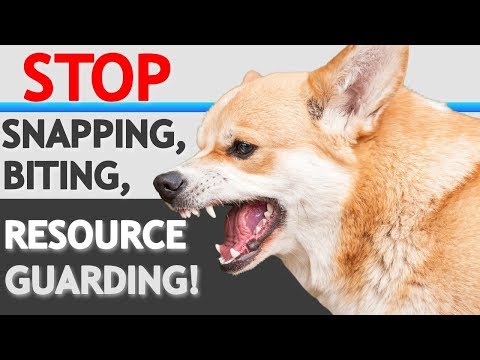
Food aggression can be managed with the right strategies. By establishing consistent feeding routines and promoting positive experiences, you can help your Beagle feel more secure and less defensive about their food.
Developing Feeding Routines
Creating a structured feeding routine is key. Set regular times for meals to give your Beagle a sense of stability. This helps reduce anxiety around food. Use a designated feeding area that is quiet and free from distractions.
When you feed your dog, place their bowl down and step back. Allow them to eat without pressure. Avoid taking their food away while they’re eating. Instead, offer treats separately to encourage positive associations.
If your Beagle shows anxiety or aggression, consider using a puzzle feeder. This method can distract them and make mealtime more engaging, helping to lessen aggressive tendencies.
Early Socialization and Behavior Modification
Socializing your Beagle from a young age greatly aids in preventing food aggression. Introduce them to different people, pets, and situations. Positive experiences during these early stages lead to a calm demeanor around food.
Implement behavior modification techniques using positive reinforcement. Reward your dog for calm behavior when you’re near their food bowl. You can start by gradually approaching while they eat and rewarding them with treats when they stay relaxed.
Also, teach commands like “leave it” or “sit” to help manage your Beagle’s behavior around food. This training reinforces good habits and builds trust between you and your pet.
When to Seek Professional Help

If you notice your beagle being overly aggressive around food, it might be time to consider getting professional help. Recognizing the signs early can prevent the behavior from escalating and create a more harmonious household.
Dominance and Obedience Training
Food aggression can be caused by dominance issues. If your beagle feels the need to defend their resources, they may become aggressive during meal times.
If your training attempts don’t seem effective, a professional dog trainer can help. They can assess your dog’s behavior and provide tailored obedience training.
This training focuses on establishing clear rules and boundaries. This helps your beagle understand their role in your family.
Incorporating socialization with other dogs is also important. This exposure teaches your beagle to be calm around food and reduces possessiveness.
With the right guidance, your beagle can learn to enjoy meals without stress or aggression.


