
Beagles are lovable hound dogs known for their friendly nature and playful demeanor. However, many owners find themselves wondering about the distinctive body odor of beagles. The smell often comes from their skin and ears, as well as diet and grooming habits. Understanding what causes this smell can help you take steps to minimize it and keep your furry friend feeling fresh.
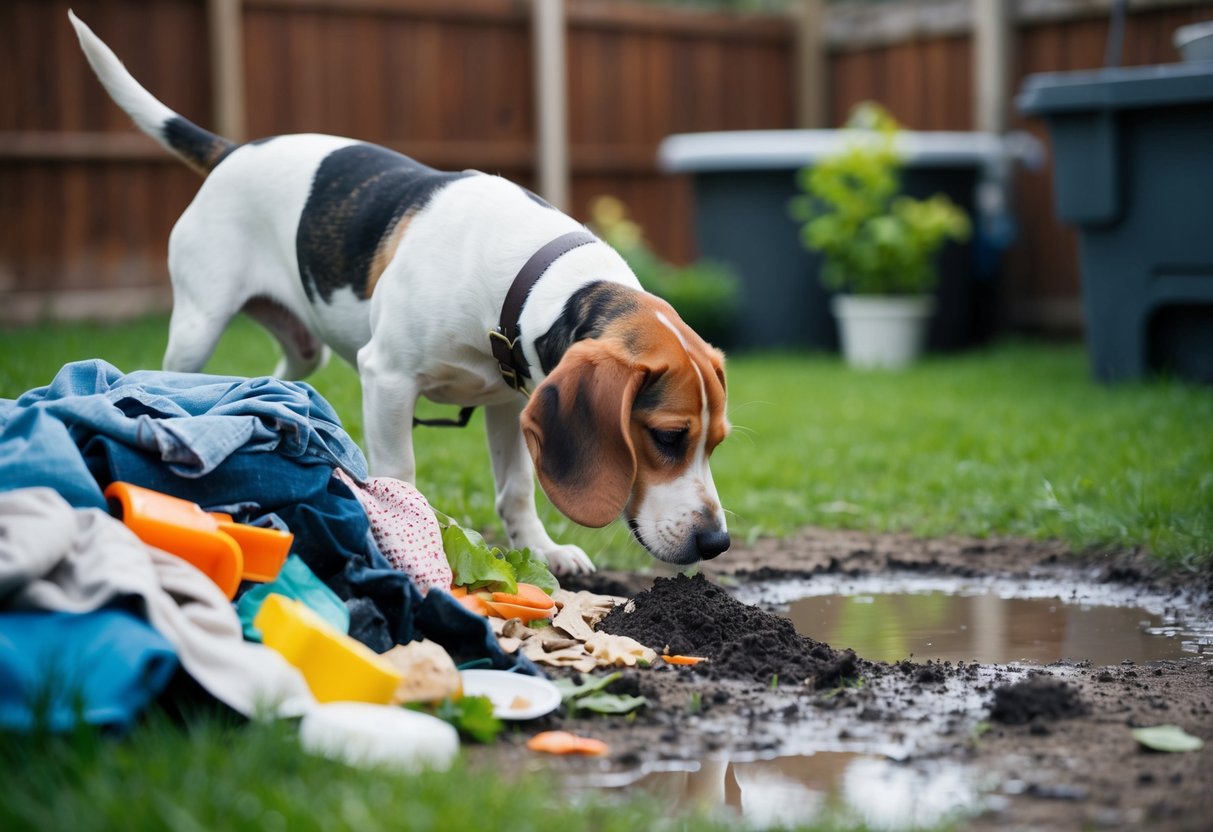
Various factors contribute to the unique scent that beagles can emit. These dogs may have skin issues, ear infections, or even diet-related problems that affect their overall smell. Understanding the source of the odor can help you create a plan to tackle it effectively and ensure your beagle stays healthy and happy.
The good news is that there are plenty of ways to help manage your beagle’s smell. Regular grooming, proper nutrition, and routine vet check-ups are key to keeping your pup smelling great. Stay with us as we explore the reasons behind your beagle’s odor and share helpful tips to make your home and your pet much more pleasant.
Beagle Breeds and Their Characteristic Odors

Beagles, like all hound breeds, have unique odors that come from various factors. Understanding these odors can help you manage and reduce any unwanted smells from your furry friend.
Why Hound Dogs Have a Unique Smell
Hound dogs, including beagles, are known for their distinctive odors. This smell largely comes from the natural body oils they produce. These oils help them track scents but can also create a strong odor. Beagles, in particular, have a unique combination of these oils, which can lead to a noticeable smell.
Additionally, beagles have a thicker coat that tends to retain moisture. When this moisture interacts with the oils, bacteria can thrive, worsening the odor. Regular grooming and bathing can help manage this smell, allowing you to enjoy your time with your beagle without the overwhelming hound odor.
The Impact of Beagle Genetics on Body Odor
Beagle genetics play a significant role in their characteristic body odor. Some beagles may have stronger scents than others due to their lineage. This variation can lead to differences in the amount and type of body oils produced.
Moreover, certain health conditions can exacerbate odor issues. Skin infections and allergies are common in beagles and can lead to increased body odor. Regular vet check-ups can help you identify and treat these conditions early.
By being aware of these genetic factors and health issues, you can better manage your beagle’s smell and keep your home fresh.
Health and Hygiene Factors Influencing Beagle Smell
Your Beagle’s smell can often be linked to health and hygiene issues. Keeping an eye on skin conditions, ear care, dental health, and anal gland function is vital for a fresher pet.
Common Skin Conditions and Infections
Beagles can easily develop skin issues like bacterial or yeast infections. If your Beagle’s skin is red, itchy, or has patches, it could indicate a problem. Conditions like dermatitis can cause unpleasant odors.
Regular grooming can help reduce the risk of skin issues. Bathing your Beagle every month, using hypoallergenic shampoo, and brushing them often can keep their coat healthy. If you notice any unusual smells or changes in your dog’s skin, consult your veterinarian for the best treatment options.
Understanding Ear Infections and Care
Beagles are prone to ear infections due to their floppy ears, which can trap moisture and dirt. A smelly odor coming from your Beagle’s ears is often a sign of an infection. Symptoms can include scratching at the ears and redness.
To care for your Beagle’s ears, check them regularly. Clean them gently with a vet-recommended solution. If you see discharge or a strong smell, it’s time to see the vet. Proper ear hygiene is key to preventing infections.
Dental Health and Its Effect on Breath Odor
Dental issues are another common reason for bad smells in Beagles. Periodontal disease can lead to bad breath due to bacteria build-up in the mouth. You might notice your Beagle has yellow or brown teeth, which is a sign of plaque.
To combat this, brush your Beagle’s teeth a few times a week. Use dog-specific toothpaste for effective cleaning. Regular check-ups with the vet will also help maintain healthy gums and teeth, reducing odor.
The Role of Anal Glands in Dog Smell
Beagles have anal glands that can sometimes cause a strong odor if they are full or infected. These glands release a small amount of fluid, but if they become blocked, they can lead to a foul smell.
Monitoring your Beagle’s behavior is essential. If they scoot on the floor or lick excessively around their rear, it may be time to empty the glands. You can ask your vet to check and express the glands if needed. Regular hygiene will help minimize issues related to anal glands.
Dietary Contributions to Beagle Odor

Your beagle’s diet plays a significant role in how they smell. Certain foods can lead to unpleasant odors and gas, while a balanced diet can help minimize these issues. Understanding these connections can help you keep your furry friend smelling fresh.
How Improper Diet Leads to Unpleasant Smells
Feeding your beagle an improper diet can cause them to smell bad. Low-quality dog foods often contain fillers, artificial ingredients, and unhealthy fats. These ingredients are harder to digest and can lead to an upset stomach.
In addition, poor digestion may result in issues like bad breath. Foods that are high in carbohydrates can ferment in the gut, causing gas and odor.
Be sure to check the ingredients of your dog’s food. A diet rich in proteins and healthy fats can promote better digestion and less odor. You might want to consider switching to high-quality dog food that lists meat as the first ingredient.
The Connection Between Food and Flatulence
Your beagle’s diet is closely linked to flatulence, which can cause significant odor. Certain ingredients, like beans, peas, and dairy products, can lead to gas. These foods are known to be harder for dogs to digest.
If your beagle experiences frequent gas, you might want to keep a food diary. Note what they eat and any changes in odor. This can help you identify which foods contribute to unpleasant smells.
Opting for a high-quality diet can be key. Look for foods that include easily digestible ingredients. This can help reduce gas and keep your beagle’s smell under control. Additionally, regular grooming can also help in managing odors by keeping their coat clean and dry.
Practical Beagle Grooming and Care

Keeping your Beagle clean is essential to managing any odors. Regular grooming and care routines can help minimize dog smell and keep your furry friend healthy. Focus on bathing, coat management, and hygiene practices to address the specific needs of Beagles.
Best Practices for Bathing and Using Dog Shampoo
Bathing your Beagle is important, but it should be done correctly to avoid skin issues. Aim to bathe your dog every 4-6 weeks, depending on their activity level. Use a quality dog shampoo designed for sensitive skin. Look for hypoallergenic options if your Beagle has skin allergies.
Before bathing, brush your Beagle to remove dirt and loose hair. Wet your dog thoroughly, avoiding their ears and eyes. Apply shampoo, massaging it into their coat gently, then rinse thoroughly. Residual shampoo can lead to skin irritation and odors.
After the bath, dry your Beagle with a towel. You can also use a pet dryer on low heat to remove excess water. This is especially important since Beagles are prone to wet dog smell if not dried properly.
Managing a Beagle’s Coat and Wet Dog Smell
Beagles have short coats that can trap odors, especially when they explore outdoors. Regular brushing helps to remove dirt and allergens, preventing skin infections. Aim to brush your Beagle at least once a week.
Be attentive to their long ears. Beagles’ ears can trap moisture and dirt, which can lead to bad smells. Wipe the insides with a damp cloth or use a vet-recommended ear cleaner weekly.
Watch for environmental factors like mud or fox poop encounters that can cause foul odors. If your Beagle frequently rolls in stinky things, a prompt bath is necessary to minimize lingering smells. Keeping your Beagle’s coat clean will also help reduce the chances of skin infections.
Advanced Tips for Maintaining Beagle Hygiene
In addition to regular baths and brushing, consider other hygiene practices. Pests can contribute to your Beagle’s unpleasant smell, so make sure to check for parasites. Regular vet visits can help manage these issues effectively.
Pay attention to their diet, as hormonal imbalances and low-quality food can lead to digestive issues, causing a foul odor. A balanced diet can keep your dog healthy and help minimize dog smell.
Remember to clean your Beagle’s teeth. Bad breath can add to overall odors, so use toothpaste designed for dogs. Aim to brush their teeth at least a few times a week.
Finally, keep an eye on large areas of dirt, and be aware of the pee smell that can set into their coat if they’ve had an accident indoors. Timely testing and cleaning any affected areas can greatly improve your Beagle’s overall scent.


