
Bats are often misunderstood creatures that play a vital role in our ecosystems. As nocturnal mammals, they are known for their unique ability to control insect populations, including mosquitoes and other pests. Having bats around your house can actually be beneficial, as they help maintain a healthy balance in the environment by keeping these insect numbers down.

While it may seem alarming to have bats nearby, these creatures prefer to stay outside and do not pose the same risks as other pests. Instead of viewing them as unwanted guests, it’s worth considering how they contribute to a healthy outdoor space.
With their natural insect control, bats can help protect your garden and outdoor areas from harmful bugs.
If you’re curious about whether bats are a good addition to your property, understanding their benefits can change your perspective. By exploring their role in the ecosystem, you may find that these fascinating animals can be more of an ally than you thought.
Benefits of Bats in Your Backyard
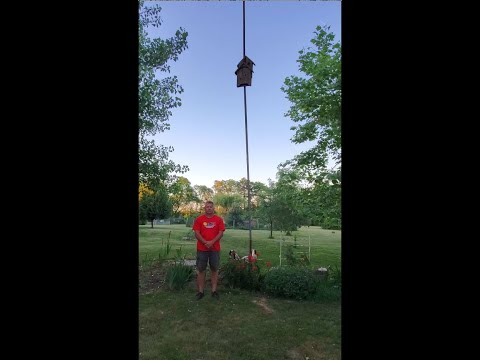
Bats bring several advantages to your backyard, making them valuable allies for both gardening and pest control. You can enjoy a more vibrant garden while keeping unwanted pests at bay.
Natural Pest Control
Bats are excellent natural pest controllers. Species like the little brown bat and the big brown bat feast on insects. A single bat can eat up to 4,000 bugs in one night. This includes pesky mosquitoes, gnats, and moths that often disrupt outdoor activities.
By having bats around, you help reduce the use of chemical pesticides in your yard. This not only protects your plants but also keeps the environment safe for other wildlife. With fewer pests bothering your crops, you can look forward to better yields in your garden.
Pollinators and Seed Dispersers
Bats also play a role as pollinators and seed dispersers, particularly in certain regions. While many bat species primarily consume insects, some also enjoy nectar from flowers. This makes them important for pollinating various plants, helping your garden thrive.
Additionally, bats assist with the growth of new plants by spreading seeds contained in fruits they consume. This is vital for maintaining healthy ecosystems. When you encourage bats in your backyard, you’re also supporting the pollination process that benefits many flowering plants.
Bat Guano as Fertilizer
Bat droppings, known as guano, are an excellent natural fertilizer. Guano is rich in nutrients like nitrogen, phosphorus, and potassium, which are essential for plant growth. When you have bats roosting nearby, their droppings can enrich your garden soil.
Collecting bat guano is easy, and its benefits last for a long time. You can use it to boost the health of your crops and flowers. As a result, your garden will have better growth and productivity throughout the season. Encouraging bats can lead to a more fertile and vibrant backyard.
Creating a Bat-Friendly Environment
Creating a bat-friendly environment can help attract these helpful creatures to your yard. You can do this by installing bat houses and maintaining the habitat to support their needs.
Installing Bat Houses
To attract bats, consider installing bat houses in your yard. Bat houses provide a safe roosting space for bats during the day.
Place the houses at least 12-20 feet above the ground, ideally facing south or southeast. This positioning helps them receive sunlight, which keeps the interior warm.
Choose a size that can accommodate a small colony, typically around 16 inches tall and 14 inches wide. Ensure there are ventilation slots and a rough interior for easy climbing. It’s best to avoid placing bat houses too close to other structures, as bats prefer solitary roosts to feel safe from predators.
Maintaining the Habitat
Maintaining a suitable habitat is key to attracting and keeping bats around.
Start by sealing any holes or gaps in your attic or other entry points in your home. This prevents bats from roosting in unwanted areas.
Provide a nearby water source, like a pond or a birdbath. Bats need water for drinking and may be attracted if it is easily accessible. Also, keep your garden thriving with native plants. This creates a natural food source for insects that bats feed on. By providing a suitable environment, you’re inviting these beneficial animals to help with pest control in your yard!
Safe Practices and Considerations

When it comes to bats, it’s important to know how to keep your home and family safe. Understanding health concerns and knowing when to call a professional can help you manage any bat-related issues effectively.
Health and Safety Concerns
Bats can carry diseases that pose risks to you and your family. One such disease is rabies, which can be transmitted through bites or scratches. While the risk is low, it’s still something to be aware of.
Another concern is histoplasmosis, a respiratory disease caused by a fungus found in bat droppings (guano). Cleaning bat guano without proper protection can expose you to this disease.
If you notice bats in or near your home, avoid direct contact. Use pest control methods that ensure your safety. Wearing masks, gloves, and protective clothing is crucial when handling areas affected by bats.
Professional Bat Removal
If bats become a nuisance or if you suspect a bat infestation, call professionals. Trained pest control experts know how to safely remove bats without harming them or your family.
Professionals can assess your home and identify entry points. They will seal these openings to prevent bats from returning. Plus, they can safely handle any health risks associated with bat droppings.
Always rely on trained experts for bat issues, especially in severe cases. Doing it yourself can lead to more problems, including potential health risks.


