
If you’ve ever wondered about the scent of Arctic foxes, you’re not alone. Many people are curious about whether these adorable creatures carry any distinct odors.
Arctic foxes themselves are generally clean animals, but they can have a musky smell, especially in the breeding season. This scent is more noticeable when they mark their territory or during certain times of the year.
Understanding why Arctic foxes might have a smell can be quite fascinating. They use scent-marking as a way to communicate with each other, letting others know they are around.
Their dense fur and living conditions can sometimes contribute to an earthy scent, but it doesn’t mean they are dirty animals.
As you learn more about Arctic foxes, you might find their behaviors and adaptations just as interesting as their scent. From their incredible sense of smell to their unique survival tactics in cold environments, there’s a lot to discover about these remarkable creatures.
Understanding Arctic Foxes
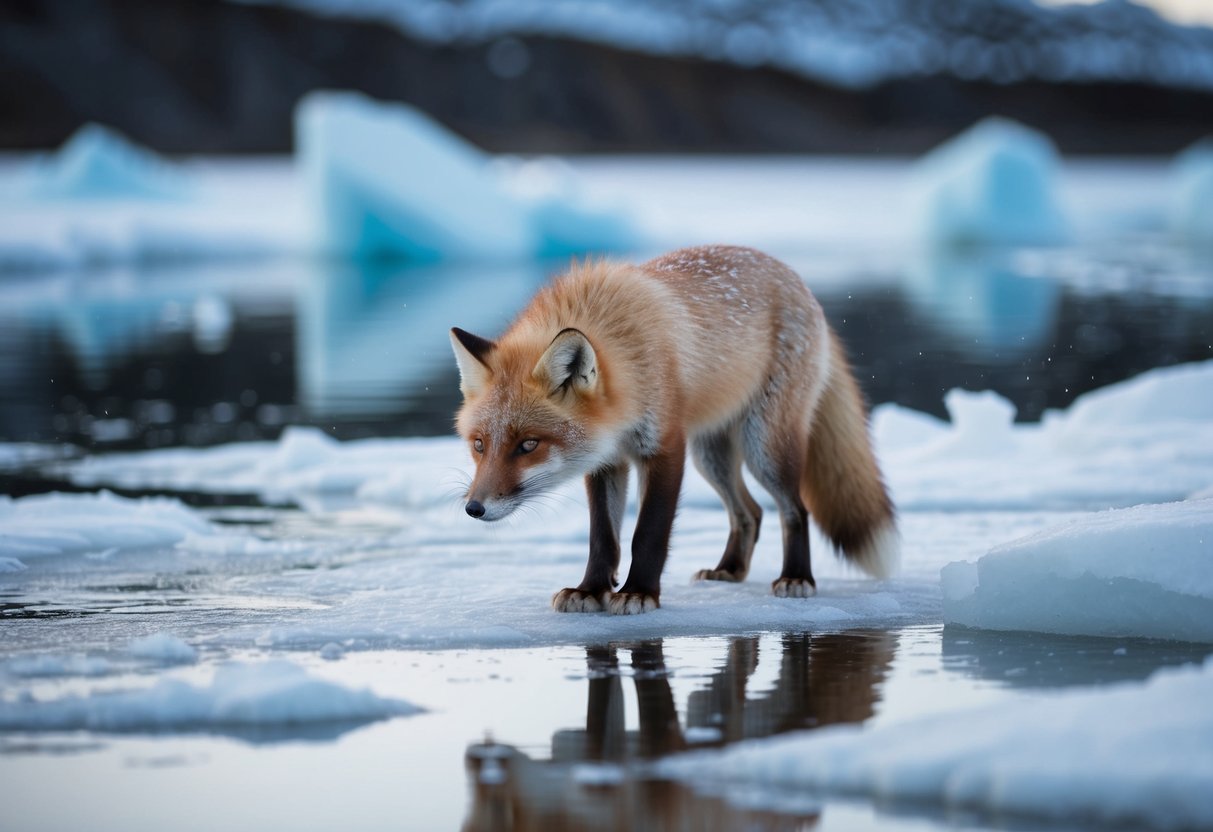
Arctic foxes are fascinating creatures well adapted to their cold environments. They possess unique features that help them survive in harsh conditions. Their diet and habitat further shape their lifestyles and behaviors in the Arctic regions.
Physical Adaptations
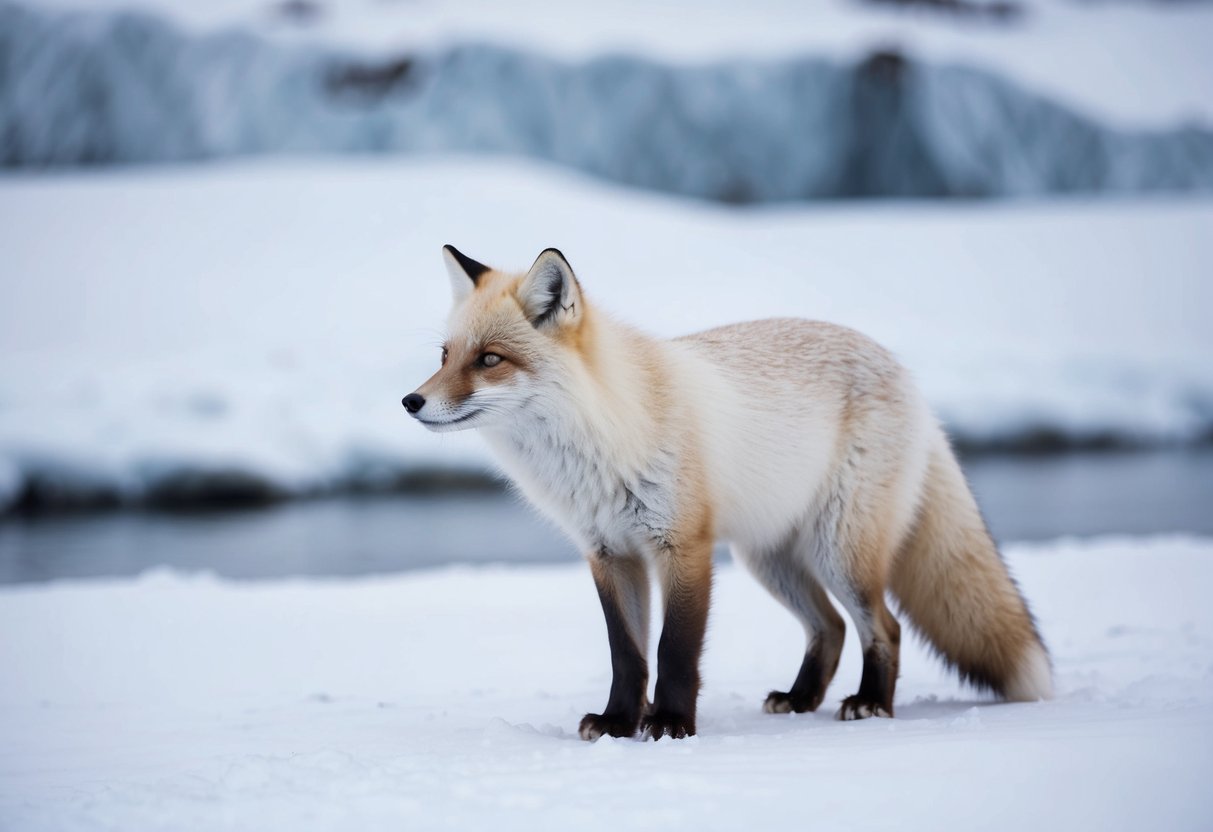
You’ll notice that the Arctic fox, scientifically known as Vulpes lagopus, has several interesting physical features. One of their most striking adaptations is their thick fur, which provides warmth in freezing temperatures.
In winter, their fur changes to a beautiful white, helping them blend into snowy landscapes. This camouflage is crucial for hunting and staying safe from predators.
In addition to their fur, they have small ears that minimize heat loss. Their compact body shape is also an adaptation to conserve heat. These features allow them to thrive in areas like Canada, Russia, Europe, Iceland, and Alaska.
The Arctic Fox Diet
Arctic foxes are opportunistic feeders. This means they eat a variety of foods depending on availability.
Their primary diet consists of small mammals like lemmings, but they also hunt birds and scavenge from polar bear kills.
In tough winters, they rely on stored food. They have an incredible sense of smell, which helps them locate prey buried under snow.
Their ability to adapt to different food sources helps Arctic foxes survive in the northern hemisphere’s harsh conditions.
Habitat and Distribution
Arctic foxes inhabit some of the coldest regions on Earth. You can find them across the Arctic, including areas in Canada, Alaska, Russia, Europe, and Iceland. These foxes prefer tundra environments, which provide the necessary resources for living.
They make burrows in the ground, using these dens for raising young and protection from predators. The Arctic fox’s distribution is closely tied to the availability of food and habitat. Understanding their habitat helps you appreciate how well they adapt to the challenges of their environment.
The Scent of Survival
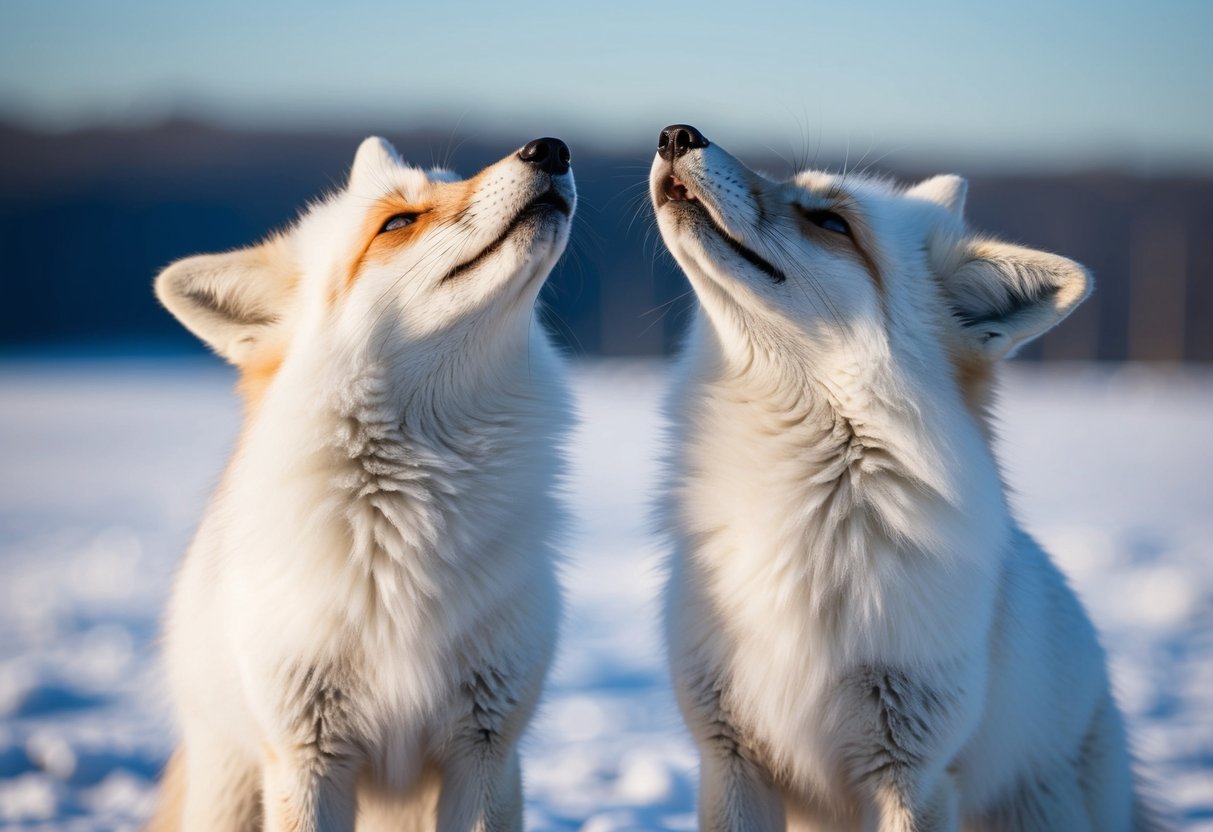
Arctic foxes rely heavily on their keen sense of smell for communication and hunting. Their unique adaptations allow them to thrive in harsh environments, using scent as a key tool for survival.
Communication Through Scent
Arctic foxes use scent to communicate with one another. They have scent glands located on their bodies that produce a musky odor. This odor plays an important role in marking territory or signaling others.
You can often find signs of this communication through fox urine, which contains information about their identity and reproductive status. When you see a fox scent-marking, it’s sharing its presence with others. This behavior helps them avoid confrontation and establish dominance in their area.
Hunting and Scent Detection
When it comes to hunting, the arctic fox’s acute sense of smell is unmatched. These foxes can detect prey like lemmings, rodents, and even insects buried beneath the snow.
Using their powerful nose, they can sense these animals from up to a mile away.
In addition to hunting, arctic foxes are also opportunistic scavengers. They may track down carrion left by other predators by following the scent. This ability helps them find food in otherwise scarce conditions, ensuring their survival in the wild.
Reproductive Behaviors
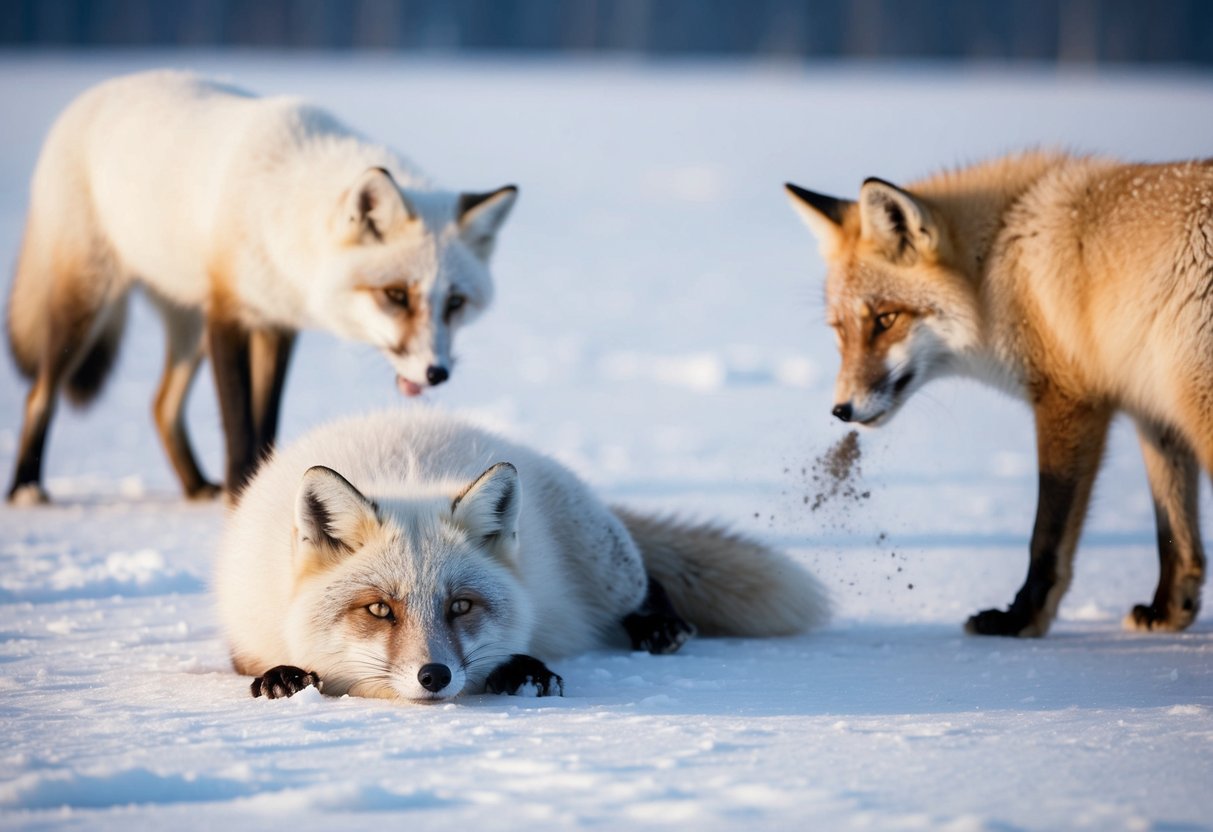
Arctic foxes display fascinating reproductive behaviors that are crucial for their survival in harsh environments. Their monogamous nature and unique breeding patterns help ensure the success of their offspring.
Mating and Breeding
During the breeding season, which occurs between February and March, Arctic foxes form monogamous pairs. These pairs often mate for life, creating strong bonds that enhance their chances of survival.
The female fox usually goes into heat once a year, attracting the male with various vocalizations and body signals. After mating, the gestation period lasts about 53 days.
It’s essential for the pair to find a suitable fox den, often located in sheltered areas, to keep their kits safe during early life.
Raising Kits
Once the kits are born, usually ranging from 5 to 8 pups, both parents are involved in raising them. The mother feeds the kits with milk and later introduces solid foods, which may include small mammals, berries, and any available food sources.
The den becomes a hub of activity while the parents teach hunting skills to their young. This cooperative parenting increases the survival rate of the kits in their harsh Arctic home, ensuring they grow strong enough to thrive in the wild.
Conservation and Threats
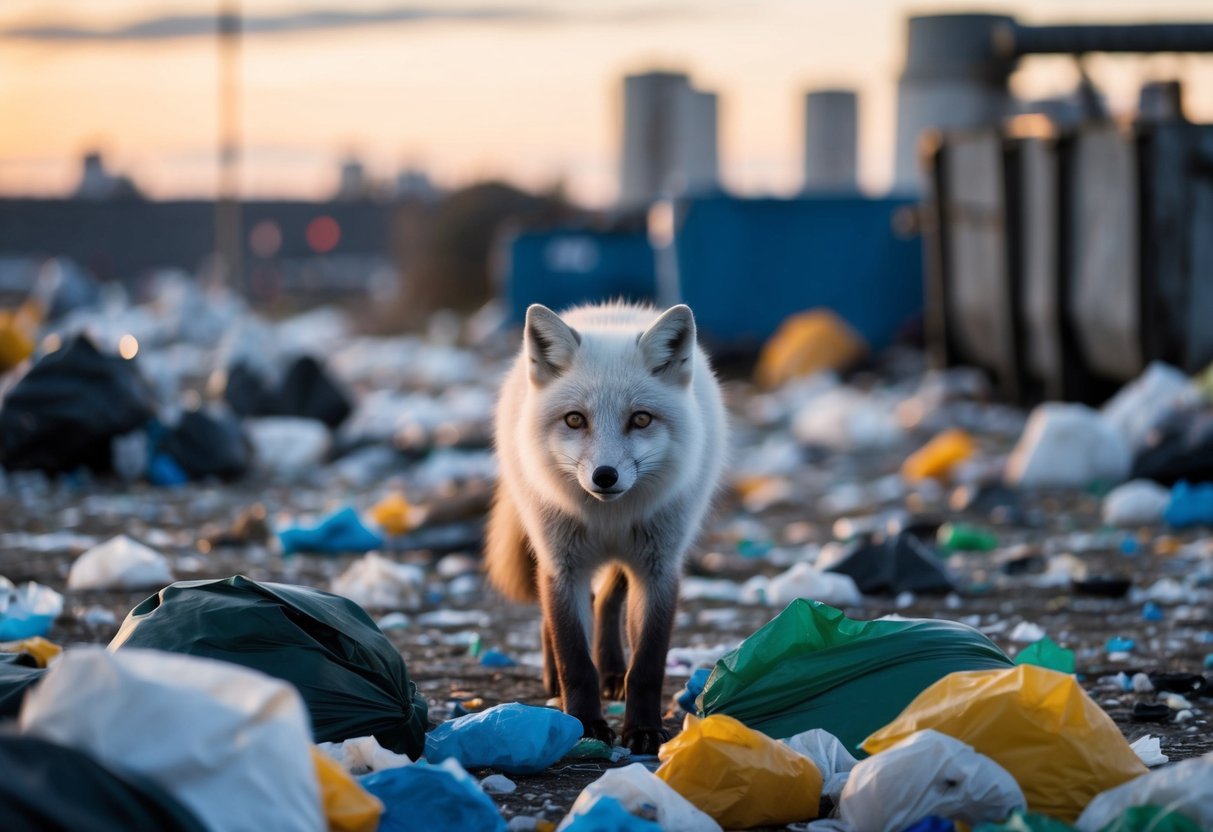
Arctic foxes face several challenges that affect their survival, primarily linked to climate change and human activities. Understanding these issues is key to grasping their current status and the actions needed for their conservation.
Impact of Climate Change
Climate change significantly affects Arctic foxes by altering their habitat in the Arctic tundra. As temperatures rise, the melting of sea ice and pack ice limits their hunting grounds.
The loss of snow cover also reduces insulation for their dens, impacting their young.
Food scarcity becomes a concern as their primary prey, like lemmings, experiences population fluctuations influenced by changing weather patterns.
Increased competition for food with larger predators like red foxes adds to these challenges. If these trends continue, Arctic fox populations could decline.
Human Interactions
Human activities further threaten Arctic foxes in various ways. The fur trade remains a serious concern, as hunters have historically impacted their numbers.
While laws may protect them, illegal poaching still occurs. Additionally, as humans expand into Arctic regions, the resulting habitat destruction disrupts their lives.
Foxes can also contract diseases like rabies from other animals. This is especially true as their habitats intersect with human developments.
These interactions not only reduce their numbers but can also increase the risk of foxes encountering humans.


