
Ever spotted a rat nearby and wondered if it’ll dart off the moment it sees you? Most wild rats actually get scared of people and usually bolt for cover as soon as they notice you. They see humans as big threats and want nothing to do with us.
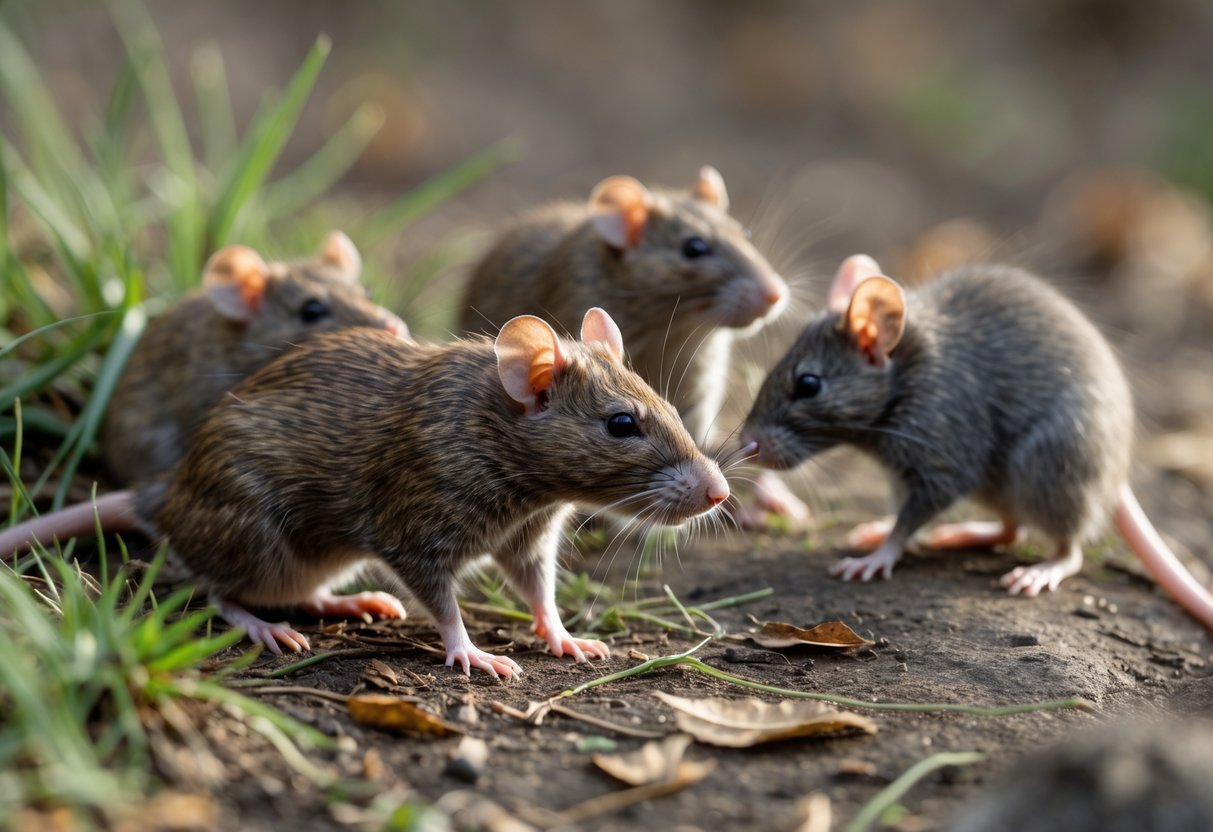
But sometimes, a rat might surprise you and run toward you instead. Maybe it feels trapped, maybe it’s just curious, or maybe it wants to warn you off. Figuring out why rats act this way can help you keep your cool and stay safe if you bump into one.
Do Rats Run When They See You?

Rats usually try to avoid people, but their reactions really do vary. Sometimes they dash away, but other times they just stand there or act kind of curious.
How a rat reacts depends on its mood and what’s happening around it.
Rat Flight Response Versus Aggression
Most wild rats spot you and immediately run away. They think of humans as threats and want to escape fast.
If a rat feels trapped or cornered, though, it might freeze, puff up, or even make a bluff charge to scare you off. That’s just defense, not real aggression.
Rats would rather not fight, unless they absolutely have no other choice.
If you want to avoid a bite, just give them space and don’t try to corner or grab them.
Differences Between Rats and Mice Encounters
Rats and mice act pretty differently when you spot them. Mice almost always bolt right away.
Rats, though, sometimes hang around a bit longer, especially if they smell food. They’re bolder and, honestly, a bit smarter.
It’s not rare for rats to get curious and slowly approach people or new things.
So, if you see a rodent that doesn’t run off instantly, it’s probably a rat, not a mouse. That little pause can help you tell them apart.
What Makes Rats Run or Stay
Several things decide if a rat runs or sticks around.
- Fear: If a rat senses danger, it usually bolts.
- Curiosity: Rats are smart and might creep closer to check things out.
- Food: The smell of food can tempt a rat to risk coming near.
- Feeling trapped: If a rat can’t escape, it might freeze or even charge at you.
You can usually spot the difference by watching its body language. A curious rat twitches its nose and looks alert.
A scared one freezes or puffs up its fur.
If you want to dig deeper, you can read this detailed explanation of rat behavior.
What Influences Rat Behavior Around Humans

Rats usually keep their distance from people, but certain things can make them act bolder. Food, smells, and shelter can draw rats closer.
If you know what attracts them, you can spot rat activity and keep them away a bit more easily.
Environmental Triggers and Food Sources
Rats look for places with food and shelter. Open trash bins, leftover pet food, or even crumbs are like invitations for them.
They love spots with easy water—think leaky pipes or pet bowls. Clutter or piles of junk give them good hiding and nesting spots.
Try using airtight containers and clean up spills fast to keep rats from snooping around.
Some folks swear by peppermint oil since rats hate the smell. Bait stations can help with pest control, but you need to use them carefully.
Signs of Rat Presence and Activity
Rats leave behind some pretty obvious clues. Look for small, dark droppings in corners, cupboards, or along walls.
You might spot gnaw marks on food packages, wood, or even wires. Rats chew a lot to keep their teeth in check.
Listen for scratching or scampering, especially at night when rats are most active.
If you find nests made of shredded paper, fabric, or dried plants tucked away in dark places, that’s another sign.
Spotting these hints early gives you a chance to act before things get out of hand.
Risks Associated With Rat Encounters
Rats carry diseases like hantavirus and leptospirosis. You can catch these from their droppings, urine, or if one bites you.
A rat bite gets infected fast, so if one bites you, clean the wound and talk to a doctor right away.
If you handle areas where rats have been without gloves or a mask, you’re more likely to pick up germs.
Spotting rats near your home or finding bites? That’s a sign you might want to call in pest control pros.
Try using bait stations and seal up any cracks. That way, you’ll make it harder for rats to get inside and spread illness.


