
Ever run into an opossum and wondered, “Will it bite me?” You’re definitely not the only one. These little guys get a rough reputation because of their teeth and that weird hissing thing they do. But honestly, they’re not as scary as they seem.
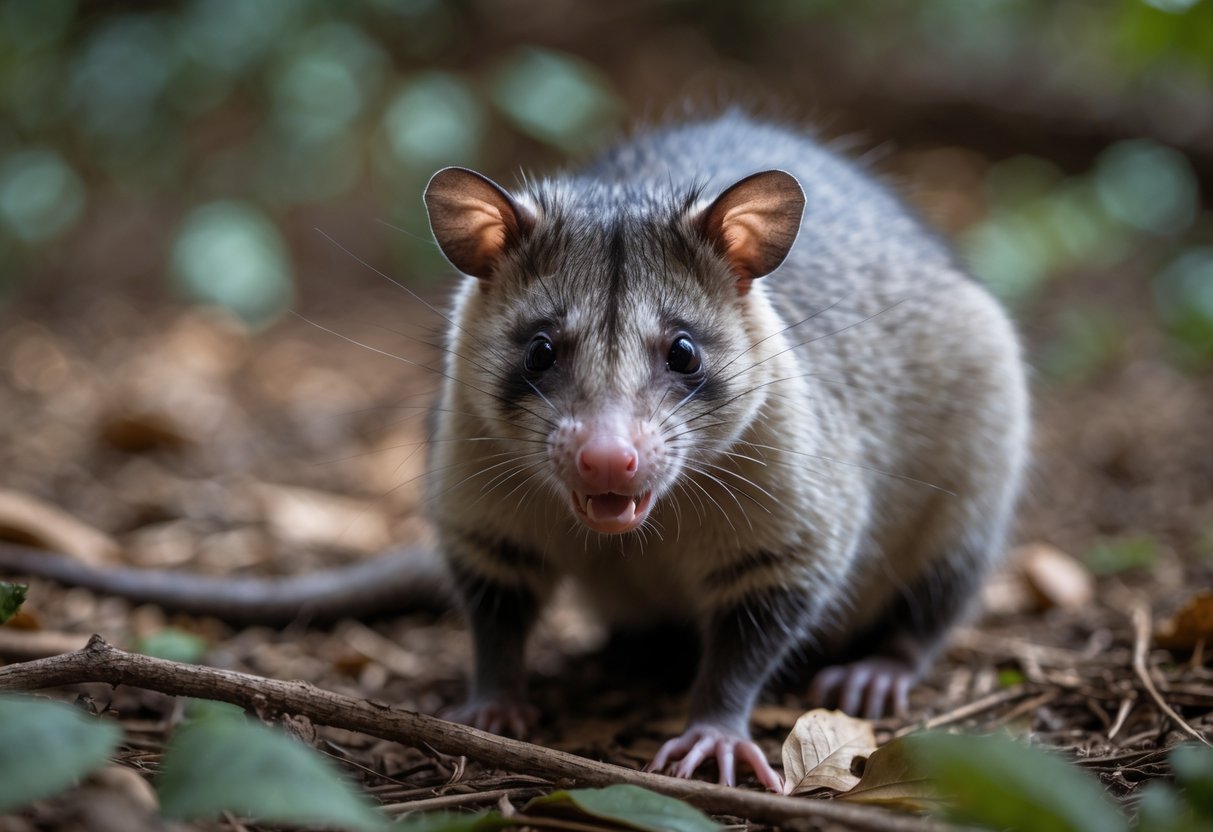
Opossums don’t usually bite unless they feel cornered or super threatened. Most of the time, they just want to get away, or they’ll flop over and play dead instead of picking a fight.
If you know this, it’s a lot easier to stay calm (and safe) if you spot one nearby.
Once you get why opossums behave the way they do, you might even feel a little bad for them. They’re just shy creatures doing their best to survive, and honestly, learning more about them might change your mind.
Understanding Opossum Biting Behavior

Opossums act pretty shy and usually steer clear of trouble. They almost never bite unless something really scares them.
If you know when and why they might bite, you can stay safer around them.
Are Opossums Likely to Bite?
Opossums don’t often bite people. They’re far more likely to bolt or just flop over and pretend to be dead.
When something scares them, they try to escape first.
Most bites happen because someone tries to grab or trap them. If you just leave them alone, you almost never get bitten.
Their bites happen as a defense, not because they’re mean.
They do have sharp teeth, so it’s smart not to reach for them. Give them a little space.
When Do Opossums Bite?
Opossums bite only if they feel like there’s no other choice. If you surprise one or get too close to its babies, you might be at higher risk.
Sometimes a hungry, sick, or injured opossum might bite, too.
If an opossum feels stuck, it might bite to protect itself. Unlike some animals that attack first, opossums only bite when they feel trapped.
If you see one growling or lunging, that’s a sign to back off. Just step away slowly and you’ll avoid trouble.
Reasons Behind Opossum Aggression
Opossums bite mostly to protect themselves or their babies. They don’t try to hunt or attack people for no reason.
Fear, not anger, drives their behavior.
People often mix up opossums and possums. Both might bite, but opossums are more likely to just play dead when they’re scared.
When they “play dead,” it’s an automatic reaction, not something they decide to do.
Aggression can pop up if pets or people get too close and make them feel unsafe. If you want to avoid getting bitten, don’t try to handle them unless you really know what you’re doing.
You can check out more about their biting behavior in this expert guide on possum bites.
Opossum Bite Risks and Safe Removal

Opossums hardly ever bite unless they feel trapped or freaked out. Still, it’s good to know how serious their bites can get, what to do if one happens, and how to keep yourself safe.
It’s also worth knowing how to deal with opossum removal without making things worse for you or the animal.
Severity and Health Risks of Opossum Bites
Opossum bites don’t usually cause major problems, but they can let bacteria get into your skin. Even though rabies is super rare in opossums, their mouths still carry germs that might cause infection.
You might see redness, swelling, or even an abscess if you don’t clean the wound well.
If you notice pain, fever, or any weird discharge after a bite, keep an eye on it. Opossums also carry fleas and ticks, which could bring other problems.
It’s just better not to handle them directly if you can help it.
First Aid and Medical Treatment for Bites
If you get bitten, wash the area right away with soap and warm water. Scrub for at least five minutes to get rid of as much bacteria as possible.
After washing, slap on some antiseptic to help stop infection.
Make sure your tetanus shot isn’t out of date. If the bite breaks the skin or starts looking red or swollen, see a doctor.
Your doctor might give you antibiotics to keep things from getting worse.
Keep the wound clean and dry while it heals. If you get a fever or the redness spreads, get medical help fast.
Safety Tips for Opossum Encounters
If you spot an opossum, just stay calm and give it some space. Most of the time, they want nothing to do with you and will try to run or play dead if they’re scared.
Don’t try to touch or pick one up, especially if it looks cornered or starts acting aggressive.
Keep your yard less appealing by locking up trash cans and clearing food scraps. Seal up any holes or gaps around your house so they can’t move in.
Wear gloves and protective clothes if you need to clean up where opossums have been.
If you find an opossum inside your home, don’t try to handle it yourself. It’s safer to call in a professional for help.
Professional Opossum Removal Advice
Trying to get rid of an opossum on your own can get risky fast. The pros have the right tools and they actually know what they’re doing, so they can trap and move these animals without hurting you or the possum.
Experts usually spot and seal up spots where opossums sneak into your home. That’s how they help you avoid another visit, and it can save your insulation and wiring from a lot of trouble.
You’ll find trusted opossum removal services that offer inspections and use humane methods. Opossums don’t often stick around for long, but if you spot droppings, hear odd noises, or notice damage, it’s time to call in a specialist.
Want more tips on safe and effective possum removal? Check out reliable pest control resources.


