
If you’ve ever spotted a coyote wandering through your yard or neighborhood, you’ve probably wondered if shooting at it will scare it off for good. Honestly, coyotes are clever creatures, and most of the time, they’ll come back even after you’ve shot at them.
They feel a strong pull to their territory. Scaring them once might just make them more cautious, not keep them away for long.

Coyotes pick up on danger fast, which sometimes makes them even harder to deal with. When they sense a threat, they’ll probably stay away for a bit, but as soon as they think it’s safe, they’ll sneak back.
Knowing how coyotes act can help you figure out better ways to keep them from becoming a regular headache.
If you’re curious about why shooting isn’t enough and what else you can try, keep reading. There’s more to coyote behavior and safer ways to protect your space. For a deeper dive, check out this article on will coyotes come back after being shot at.
Coyote Behavior After Being Shot At
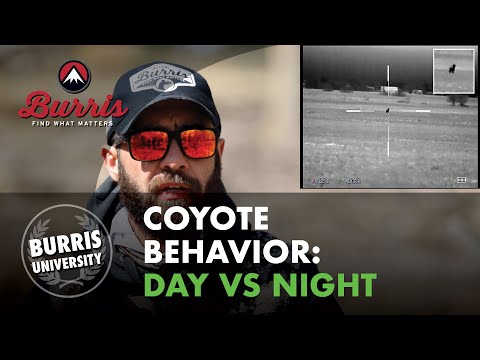
When you shoot at coyotes, their instincts and memories shape what they do next. You’ll notice changes in how they move, how alert they are, and how long they stay away.
Understanding these reactions can help you decide how to handle or hunt coyotes more effectively.
Territorial Instincts and Return Patterns
Coyotes stick close to their territory. Even after being shot at, they usually come back to their favorite hunting spots.
Their strong territorial drive keeps them coming back to places with food and shelter.
If you miss a shot and the coyote bolts, don’t be surprised if it returns soon. Coyotes often revisit the same area because they know it inside out.
This habit makes them predictable, but it also means they’re tough to chase off for good.
Adaptability and Wariness of Coyotes
Coyotes learn fast and adapt to new threats. After you shoot at them, they often become more wary, especially around people.
You might notice them switching to nighttime hunting to avoid being seen.
They pick up on what’s dangerous. If they get away once, they might start avoiding loud noises or certain spots during the day.
This new caution makes it tough to rely on shooting alone to keep them away.
Temporary Versus Long-Term Deterrence
Shooting at coyotes usually scares them off for just a little while. They might stay away for a few hours or maybe a couple of days, but as soon as they feel safe, they’ll come back.
If you want lasting results, you’ll need to try other things like fencing, hazing, or removing food sources. Shooting by itself can sometimes make things worse, since some studies suggest it might actually boost their numbers over time.
Combining hunting with non-lethal tools usually works better for keeping coyotes away in the long run.
For more on this, have a look at predator hunting strategies.
Effective Approaches for Managing Returning Coyotes

Dealing with coyotes that keep coming back takes a mix of methods. Some work better than others, depending on what you’re aiming for and what’s going on in your area.
Figuring out which tools to use can make it easier and safer to keep coyotes away.
Challenges With Lethal Control Methods
Shooting or killing coyotes might seem like a quick fix, but it often creates new problems. Coyotes are sharp and quickly learn to dodge dangers.
If you shoot at them, they’ll probably get more cautious, which makes controlling them later even harder.
Killing coyotes can also mess up their social groups. This might attract more coyotes to move in or cause them to breed more, which could actually boost the population.
Relying only on lethal control usually doesn’t solve the problem for long.
Many wildlife experts and hunters say lethal methods can create endless cycles of shooting, without any real improvement. Sometimes, this approach just stirs up more trouble.
Non-Lethal Deterrents and Prevention Strategies
Using things like fencing, noise makers, or lights can really help keep coyotes away from your property. These options make your yard or livestock less tempting, and you don’t have to harm the animals.
Taking away food sources is huge. Lock up your trash, put away pet food, and protect gardens or fruit trees.
Coyotes usually come back because they find easy meals or shelter, so cutting off access makes a big difference.
You can also try hazing—using loud noises or water to scare them off. Mixing up your tactics keeps coyotes from getting used to them.
If your neighbors join in, hazing works even better.
Role of Wildlife Conservation in Coyote Management
Wildlife conservation tries to keep the environment balanced, but honestly, that’s not always simple. Coyotes help out by eating pests like rodents, so they’re more than just troublemakers.
When folks manage coyotes, they really need to consider the bigger picture. Conservationists often warn that killing coyotes can mess up ecosystems and even cause new headaches.
Instead, they usually suggest blending education and small behavior changes with any control measures. It’s not just about getting rid of coyotes—it’s about understanding them, too.
If you learn how coyotes live and what makes them tick, you’ll probably make better decisions about managing them. And honestly, teaming up with wildlife experts or your neighbors can lead to safer, smarter solutions for everyone—humans and animals alike.
For more ideas, check out wildlife conservation topics.


