
Ever catch a glimpse of a squirrel after dark and think, “Wait, aren’t they supposed to be asleep?” Most squirrels stick to daylight hours, but a few—like flying squirrels—or those dealing with food shortages, competition, or habitat problems, might head out at night. So, spotting a squirrel after sunset isn’t always weird, though sometimes it means the animal’s under stress.

Curious about which squirrels actually like the night? Or when nighttime squirrel activity means there’s a problem? Let’s dig into what pushes a daytime squirrel to break its routine. You’ll pick up a few easy clues to tell the difference, plus tips on what (if anything) you should do.
Why Would a Squirrel Be Out at Night?

You might spot a squirrel after dark for a handful of reasons: its species, hunger, mating, or maybe just bright lights around your place.
Each reason changes where the squirrel goes and what it’s up to.
Typical Squirrel Activity Patterns
Most tree and ground squirrels are diurnal, meaning they’re daytime creatures. You’ll usually see eastern gray, red, or fox squirrels running around in the morning or late afternoon.
They spend those hours foraging, hiding nuts, and fixing up their dreys or burrows.
Flying squirrels, though, play by different rules—they’re strictly nocturnal. They sleep in tree cavities or even attics during the day, then pop out about an hour after sunset to glide and hunt for snacks.
If you hear soft chirps or tiny feet on your roof at night, flying squirrels probably caused the commotion.
Circumstances That Trigger Nighttime Activity
Sometimes, non-nocturnal squirrels wake up at night. Mating season can push a daytime squirrel to wander after dark.
Extreme cold or heat might force squirrels out of their nests to find food or water.
If predators show up, or a den gets damaged, or there’s a lot of noise, squirrels can get spooked and bolt out at odd hours.
Spot a squirrel pacing near a tree cavity or darting across your yard at night? Take a look around—maybe there’s a bright light, easy food, or a busted nest that explains it.
Nocturnal Foraging and Food Scarcity
When food runs low, squirrels stretch their active hours. You might notice chewed nut shells or stripped bark under trees if they’re foraging at night.
Flying squirrels search for seeds, insects, and bird eggs after dark. Sometimes, day-active squirrels sneak out to raid a feeder or food cache when human lights make things feel a bit safer.
If you feed backyard birds, don’t be surprised if squirrels show up at night. Bright porch lights can make squirrels feel bolder and safer from predators, so they’ll take food from feeders or caches after dark.
Impact of Urban Environments and Artificial Light
City life changes squirrel routines, no doubt about it. Streetlamps, porch lights, and constant human noise blur the line between day and night for squirrels.
You might spot diurnal squirrels staying up later or making quick nighttime visits near well-lit spots.
Buildings offer warm hiding places—tree cavities, attics, even roof voids—that attract flying squirrels and some tree squirrels.
If you hear scratching in your attic at night, flying squirrels could have moved in. Try sealing gaps and dialing down outdoor lights to keep night visitors away. Want more on flying squirrels and their nighttime antics? Check out why flying squirrels are active at night.
Which Squirrels Are Active at Night?
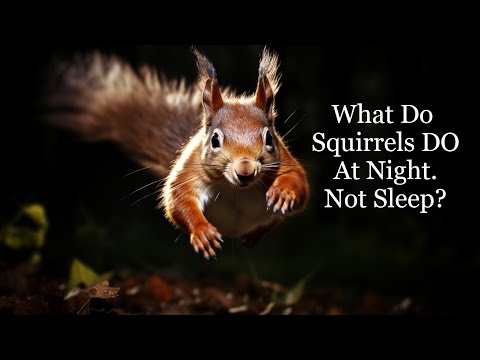
Most squirrels you see in the daytime are asleep after dark. But a few species actually hunt, glide, or forage when it’s pitch black.
Let’s break down which ones pull night shifts, which might sneak out after dusk, and how to spot the difference.
Flying Squirrels: True Nocturnal Specialists
Flying squirrels are the main night owls in the squirrel family. In North America, you’ll mostly run into the Northern and Southern flying squirrel.
They leave their nests after sunset and glide between trees in search of nuts, fungi, and insects.
Their big eyes and sensitive whiskers help them find food in the dark. If you hear soft chirps or scratching inside an attic at night, flying squirrels could be the ones making noise.
You almost never see them during the day. They sleep in tree cavities or nest boxes, and sometimes go into short torpor spells to save energy when it’s cold.
For more on flying squirrel behavior, check out this article on nighttime squirrel habits and adaptations: flying squirrels and nocturnal habits (https://a-z-animals.com/blog/discover-the-most-common-places-squirrels-go-at-night/).
Occasional Night Activity in Tree and Ground Squirrels
Most tree squirrels—like eastern gray, red, and fox squirrels—stick to daylight foraging. Ground squirrels are also mostly active during the day.
Still, you might spot them at night in certain situations. Cold snaps, bright lights, or not enough food can push a usually daytime squirrel to go looking for food after dark.
Urban fox squirrels and eastern gray squirrels sometimes take advantage of porch lights or pet food left out.
Squirrels don’t hibernate like bears, but some slow down in winter. If you hear rustling or find nesting material at night in your walls or attic, a stressed or displaced tree squirrel could be behind it.
If you want to remove one, humane options include using a one-way exclusion door so the animal leaves but can’t get back in, and sealing up entry points.
How to Identify Nocturnal Squirrel Species
Trying to figure out if that critter at night is a flying squirrel or just a regular squirrel out past its bedtime? Here are a few things you can check:
-
Visual cues: Flying squirrels usually have big, dark eyes and those glide membranes. Sometimes you’ll spot a blurry shape gliding between trees—kind of magical if you ask me.
-
Sounds: At night, flying squirrels make these high-pitched chirps and soft rustling noises. Daytime squirrels, on the other hand, tend to chatter more loudly.
-
Location: If you hear noises in the attic or chimney after dark, chances are it’s flying squirrels. But if you notice burrow activity near open fields, that’s probably ground squirrels.
-
Tracks and droppings: Look for small, rounded droppings and tiny footprints on dusty attic floors. That’s a classic sign of flying squirrels.
Want to keep them out? You can set up a one-way exclusion door so they leave but can’t come back. Afterward, seal up any gaps you find.
If you prefer nonlethal options, remove food sources, trim back tree branches from your roof, and use a recommended squirrel repellent around possible entry spots.


