
Ever hear a sudden, piercing squirrel scream and wonder what’s going on? Squirrels scream mostly to warn about danger, scare off threats, or signal distress—and honestly, understanding this can really help you figure out what’s happening in your yard.

As you read on, you’ll see how these screams fit into the bigger picture of squirrel communication. We’ll get into why squirrels use alarm screams, when they scream during fights or mating, and how each sound has its own purpose.
Why Squirrels Scream and What It Means
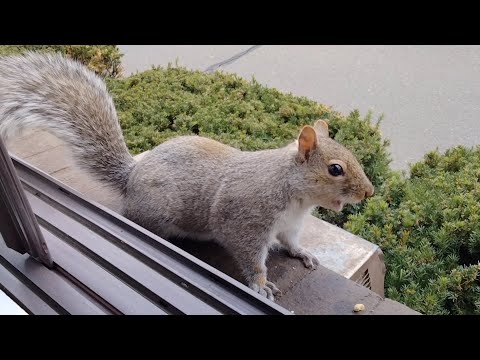
When a squirrel screams, it’s usually a sign something urgent is happening. Sometimes it means danger, other times it signals a fight or even a mating attempt.
The sound changes depending on what’s going on.
Alarm and Distress Screams
If a squirrel screams out of alarm or distress, you’ll notice it’s sharp and high-pitched. This usually happens when something catches a squirrel off guard, corners it, or grabs it.
Sometimes the scream is long and frantic, other times it’s just a quick, sharp noise. It really depends on how close the threat feels.
Nearby squirrels react fast—they freeze, hide, or bolt away. In neighborhoods, eastern gray squirrels love to use these calls around trees, fences, and bird feeders.
If you spot one screaming and watch the others suddenly stop or dash away, you’re witnessing a live danger alert.
Predator Encounters and Danger Warnings
Squirrels use screams to warn each other about predators like hawks, snakes, or cats. The sound can be a short bark for a far-off threat, or a wild, frantic scream if danger’s right there.
You’ll often see a squirrel scan the sky or shoot up a tree right after it screams. That’s their way of saying, “Heads up, something’s coming!”
The group depends on these alarms to stay safe. If you’re watching, look for tail flicks, stiff posture, and sudden leaps—these go hand-in-hand with the screams.
All of that points out where the predator is and how serious the situation feels.
Territorial Behavior and Disputes
Squirrels get loud during fights and territory battles. They’ll scream, chatter, squawk, and even lunge or flick their tails.
You’ll notice:
- Short, repeating screams or barks during a chase
- Loud squawks if one squirrel corners another
- Aggressive stances and tail flicks that match the noise
This happens a lot near food, nests, or when two squirrels meet on a branch. If you’ve got a yard with lots of trees or a busy feeder, you’ll probably hear it more than once.
Screaming During Mating Season
Mating season brings out a different kind of squirrel scream. Sometimes you’ll hear soft whistles or those odd “mup-mup” sounds, mixed with higher notes.
Males make quieter, repetitive noises to court females and show they’re not a threat. Females might answer back with similar sounds if they’re interested.
You’ll usually catch these calls in spring. If a male follows a female, listen for gentle chirps or soft screams—not the sharp alarms you’d hear if a hawk showed up.
Types of Squirrel Sounds and Their Purposes

Squirrels mix up their calls—short chirps, loud alarms, and softer sounds—to handle threats, claim turf, or chat during mating. You’ll hear quick chirps and chatters up close, louder barks for danger, and soft whistles from mothers or hopeful males.
Chirps, Chatters, and Barking
Around feeders or when squirrels bump into each other, you’ll hear chirps and chatters. Those quick, high chirps mean a squirrel’s curious or a little annoyed.
Chatters usually mean one squirrel’s staking a claim or warning off another. Sometimes they’ll repeat the sound for minutes, just staring each other down.
Barking is a whole other thing—louder, sharper, and more urgent. It’s like a short “yap” that warns everyone about predators or people.
Usually, a squirrel sits up high, flicking its tail and barking as a signal. You’ll probably notice more barking if a dog, cat, or hawk is around.
Whistles and Moans
Whistles are higher and clearer than barks. Female squirrels and some species use whistles to call their young or to let others know where they are.
Sometimes you’ll hear a clear whistle when a squirrel wants to find its mate or guide a baby.
Moans and drawn-out sounds usually mean pain, stress, or a serious alarm. An injured squirrel might moan for a while, drawing attention.
These low calls go along with frantic tail flicks or pacing—easy to spot if you’re paying attention.
Vocalizations of Baby Squirrels
Baby squirrels make these soft, repetitive sounds when they want their mom’s attention. You might catch a faint “mup-mup” or a sharp, high-pitched peep if they’re hungry or feeling cold.
They keep calling out, sometimes stubbornly, until their mother finally comes back. When young squirrels follow or cling to their mom, they throw in little chirps too.
As they get older, you’ll notice their calls start to shift. Those baby noises turn into the adult squirrel sounds—chatters when they’re fighting over something and barks if there’s danger nearby. If you listen closely, you can almost track their growth just by the way they sound.


