
If you’re considering adding a pet chinchilla to your home, you might want to think twice. Chinchillas, while adorable and soft, need more care than you might expect from an exotic pet. Unlike some low-maintenance pets, these small creatures have specific needs that can make them challenging to keep.
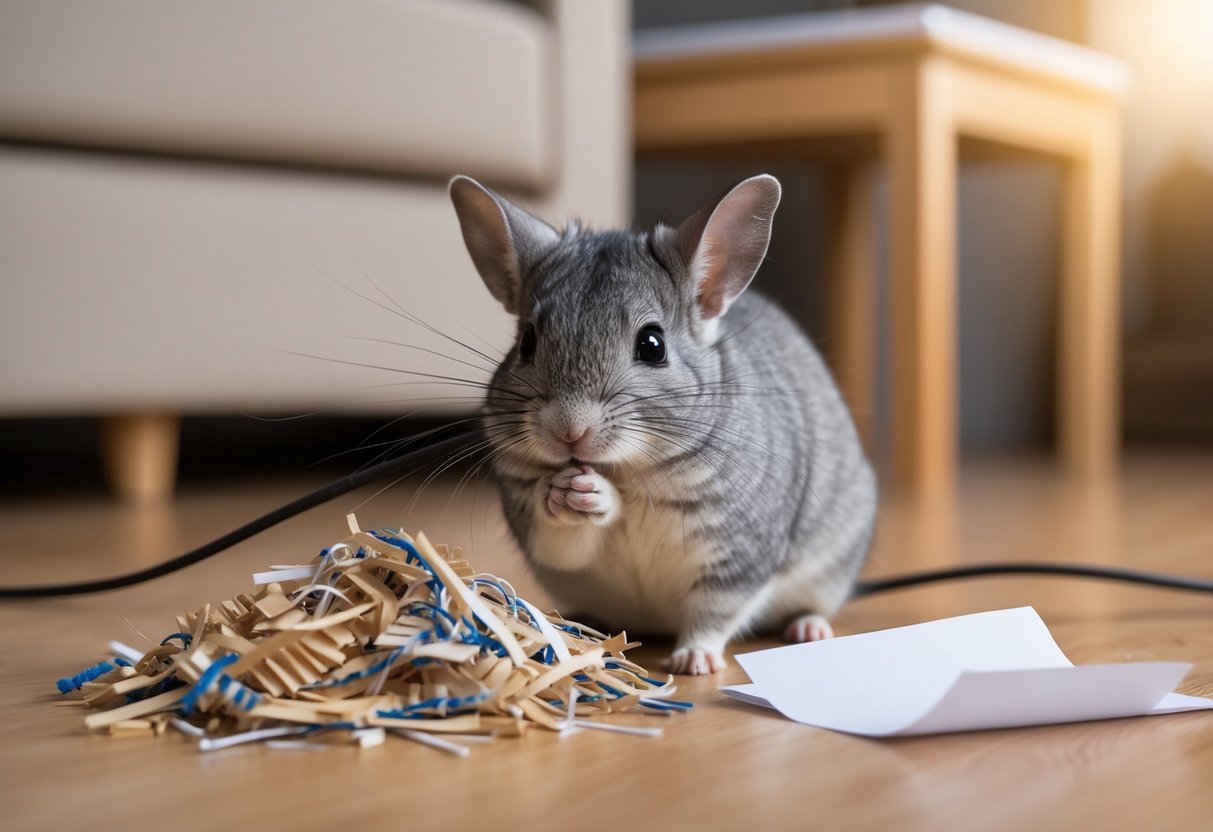
Chinchillas thrive in cool environments and need a carefully regulated habitat to stay healthy. They also need special diets and regular interaction. If you live a busy life or have other pets that demand your attention, a pet chinchilla might not fit well into your lifestyle.
Understanding the commitment involved in caring for a chinchilla is crucial. They are not just cute companions; they need dedicated care to truly thrive. If you’re looking for a pet that can easily adapt to your daily routine, a chinchilla might not be the best choice.
Chinchilla Basics

Chinchillas are unique pets that require a good understanding of their behavior and health. Knowing these details can help you decide if a chinchilla is the right pet for you.
Understanding Chinchilla Behavior
Chinchillas are social animals, which means they thrive in a group. If you get one, it’s often best to adopt them in pairs to keep them happy. They bond closely with each other and can become lonely if left alone.
Chinchillas are also crepuscular, meaning they are most active during dawn and dusk. This behavior can lead to late-night noises that might disturb your sleep.
They have a tendency to chew on things, so providing safe chew toys is essential. Being sensitive to temperature, they need a cool environment. Too much heat can cause them health issues.
Chinchilla Health and Lifespan
Chinchillas can live a long lifespan, often ranging from 10 to 20 years with proper care. This means you will need to commit to their care for the long term.
Their diet is very specific, requiring hay, pellets, and occasional treats to stay healthy. Any changes in their eating habits can signal health problems.
Chinchillas are also quite sensitive to temperature. Keeping them in a cool, dry place is critical. Sudden temperature changes can lead to stress or illness. Regular check-ups with a vet familiar with exotic pets are also important for maintaining their health.
Housing and Daily Care
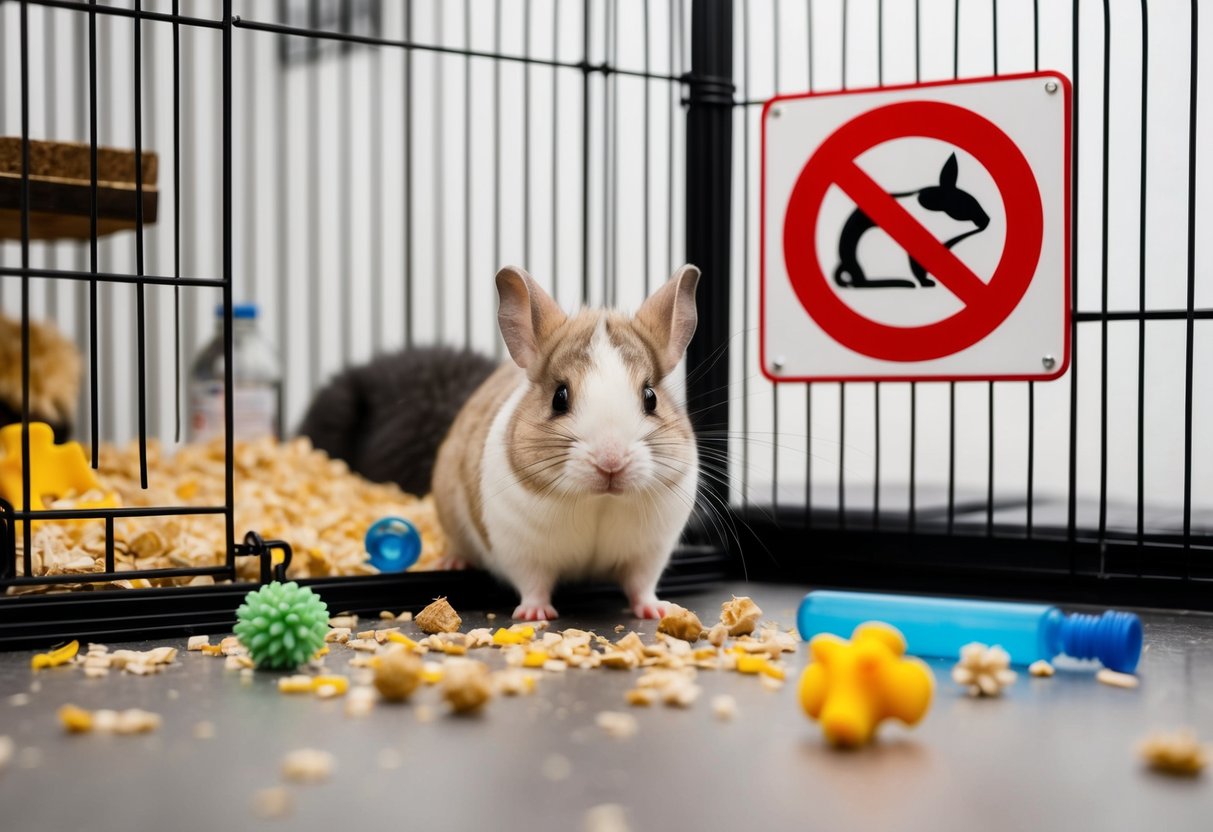
Taking care of a chinchilla involves specific housing needs and daily care routines. Understanding these aspects is key to ensuring your pet’s health and happiness.
The Right Habitat
Your chinchilla needs a spacious and secure cage. A two-level cage is ideal, giving them room to climb and explore. Ensure it has plenty of horizontal space for them to jump around.
Chinchillas are very clean animals. Line the bottom of the cage with paper-based bedding, as this helps absorb moisture and control odors. Avoid wood shavings, which can be harmful to their health.
Include platforms, ramps, and chew toys to keep your chinchilla entertained. Remember, they are social creatures, so consider housing at least two if you can provide enough space and care.
Dietary Considerations
Chinchillas have specific dietary requirements. Their diet primarily consists of high-quality hay, which aids digestion and maintains dental health. Timothy hay is a great choice.
In addition to hay, provide pellets specifically formulated for chinchillas. Limit fruit and treats to small amounts, as they are high in sugar. Fresh water must always be available and refreshed daily.
Keep in mind that their digestive systems are sensitive. Regularly check for any signs of digestive upset, as this can lead to serious health issues.
Temperature and Environment
Chinchillas do best in a temperature-controlled environment. They thrive in cool temperatures, ideally between 60°F and 70°F. High heat can cause heat stress and even death.
Avoid direct sunlight and place their cage in a quiet area. Chinchillas are naturally shy animals and need a peaceful environment to feel secure.
Make sure the cage is kept away from drafts and sudden temperature changes. These steps are crucial in keeping your chinchilla calm and healthy.
Cons of Having a Chinchilla
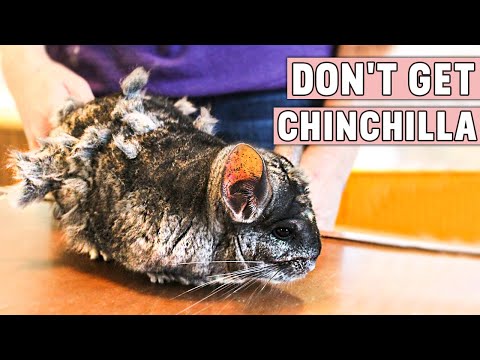
Having a chinchilla can be a rewarding experience, but there are some important factors to consider. Their unique needs and care requirements can make owning one a challenge, especially for busy households.
Chinchillas’ Special Needs
Chinchillas are known for their long life spans, often living 10 to 20 years. This means you are committing to a pet that requires care for a significant amount of time.
They also have specific dietary needs, requiring a high-fiber diet that includes hay and specially formulated pellets. You cannot feed them just any food; their digestive systems are sensitive and need proper management.
Additionally, chinchillas need plenty of toys and activities to keep them healthy and engaged. Without stimulation, they can become bored or stressed, impacting their overall well-being.
Challenges of Chinchilla Care
Caring for a chinchilla can be demanding. Chinchillas need a dust bath regularly to keep their fur clean, which can lead to a bit of a mess.
You will also need to make a reasonable initial purchase, as chinchillas can be pricey. The costs can add up when you think about the cage, bedding, toys, and food.
If you decide to adopt a chinchilla, remember that it may need a lot of attention and interaction. Chinchillas are social creatures and can feel lonely without companionship. This can make it difficult if your schedule is busy or unpredictable.


