
Ever heard a sharp, high-pitched squirrel scream and felt a little jolt of curiosity—or maybe even alarm? Squirrels mostly scream to warn others about danger, scare off threats, or show aggression during fights over mates or territory.
When a squirrel screams, it’s usually calling out about a nearby threat or some tense squirrel drama it wants others to notice.

If you pay attention, you’ll start recognizing patterns. Different screams mean different things, and squirrels mix sounds with tail flicks or body moves.
Below, let’s break down the main reasons squirrels scream and the kinds of calls you’re likely to hear. That way, you’ll know if you’re hearing a real emergency, a bit of stress, or just some backyard squirrel squabble.
Primary Reasons Squirrels Scream
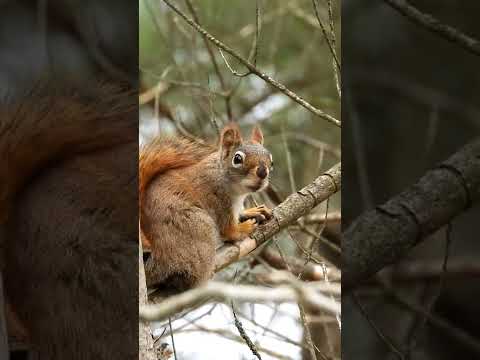
Squirrels use loud, sharp calls for a few main reasons: warning others about danger, fighting over territory, and attracting mates.
You’ll hear different pitches and patterns depending on whether a squirrel feels scared, angry, or is trying to impress someone.
Alarm Calls and Predators
When a squirrel spots a hawk, fox, cat, or even a person getting too close, it often lets out a high-pitched scream. This call cuts through the air and tells other squirrels to freeze, hide, or dash for cover.
Squirrels add tail flicks and rapid barks to make their warning even clearer.
You can pick out an alarm scream by its urgency and how often it repeats. A single, short screech might just mean a passing threat.
A loud, repeated scream? That usually means a predator is nearby and immediate action is needed.
If you hear this kind of call near trees or open ground, get ready for some quick squirrel movement. Ground squirrels warn their colonies with similar alarms, sending everyone running for burrows.
Check out this explanation of squirrel alarm behavior if you want more detail (https://worlddeer.org/why-do-squirrels-scream/).
Territorial Disputes and Aggression
Squirrels really care about their food stashes, nests, and favorite trees. When another squirrel gets too close, the resident will often scream to scare the intruder off.
These territorial screams sound harsher and usually come with raised fur, lunges, or tail slapping.
You’ll hear these screams most during food shortages or when young squirrels are looking for their own space. The idea is to warn the opponent first, hoping to avoid a real fight.
If the warning doesn’t work, things can escalate to chases or even a scuffle.
Territorial screams are short and clipped, not as drawn out as alarm calls. If you hear this kind of noise near a feeder or nest, there’s probably a boundary dispute happening.
Mating Season Vocalizations
During mating season, male squirrels get loud. They use sharp calls to attract females and warn off other males.
These mating screams don’t sound like alarm calls—they pop up more in late winter or early summer and are part of a show rather than a panic.
You might hear a male calling from a high perch while pacing or chasing a female. The sounds change in pitch and length depending on the species and the male’s mood.
Sometimes females answer with softer squeaks, or they just stay quiet and watch the show.
If you hear lots of repetitive calls in spring, it usually means squirrels are busy with courtship and defending their territory for breeding.
Types and Meanings of Squirrel Sounds

Squirrels use a mix of short, sharp calls and body language to warn, argue, attract mates, or show pain.
You’ll hear barks, chirps, screams, and squawks, and you’ll see tail flicks and postures that match the sound.
Common Squirrel Noises and Their Meanings
- High-pitched scream: Squirrels make this sound when facing a serious threat, like a predator or being trapped. It signals extreme alarm or sometimes severe injury.
- Barking: Short, repetitive barks usually mean a nearby threat or a quick warning to other squirrels.
- Chattering and chirping: These lighter, fast sounds show irritation, excitement, or a small territorial dispute. Squirrels often chatter while guarding food or arguing with a neighbor.
- Squawking: Louder and sharper than chirps, squawks often mark aggressive disputes between squirrels.
- Baby sounds (mup-mup, whistles): Young squirrels use soft calls to get mom’s attention. Adult males sometimes use similar quiet calls during mating to reassure a female.
If you have a bird feeder, you’ll probably pick up on these noises quickly. Pay attention to the context—food, dogs, or people nearby change what each sound means.
Species Differences: Eastern Gray Squirrel and Others
Eastern gray squirrels are some of the noisiest in cities and suburbs. You’ll hear them bark for alarms, chatter during food fights, and let out high screams when startled.
Their calls get especially loud and frequent near feeders and trees.
Other squirrel species mix things up. Tree squirrels add tail signals to their calls. Ground squirrels sometimes use ultrasonic alarms that people can’t hear without special gear.
Fox squirrels sound deeper when they bark. Species differences matter if you’re trying to figure out why a squirrel is screaming—habitat, predator types, and social life all change the sound and how often you hear it.
If you live where eastern grays hang out, get ready for more noisy displays and plenty of territorial squabbles.
Body Language and Vocalizations
Squirrels usually pair vocal sounds with pretty obvious body language. When a squirrel barks and stands tall, tail straight up, it’s probably warning others about danger.
If you spot one chattering while crouched and facing another squirrel, that’s likely some kind of territorial spat—or maybe just a show of attitude.
Tail movements? They say a lot. Quick, sharp tail flicks often signal a threat nearby or maybe just plain annoyance.
A squirrel that flattens itself and lets out soft cries might feel hurt or just wants to give up the fight. Pay attention to where its eyes go. If it’s staring at a dog, cat, or person, you can bet its calls are about that specific threat.
Try combining what you hear with what you notice. That’s usually the best way to figure out if the scream means panic, a fight, or, honestly, even mating behavior.
If you want to dig deeper, there are some detailed guides on squirrel sounds and meanings.


