
Ever hear someone call another person a “rat” and wonder where that sting comes from? The word “rat” turned into an insult because people have linked rats with dirt, disease, and betrayal for ages. When you call someone a “rat,” you’re basically saying they can’t be trusted, they’re dirty, or they’ve betrayed others.
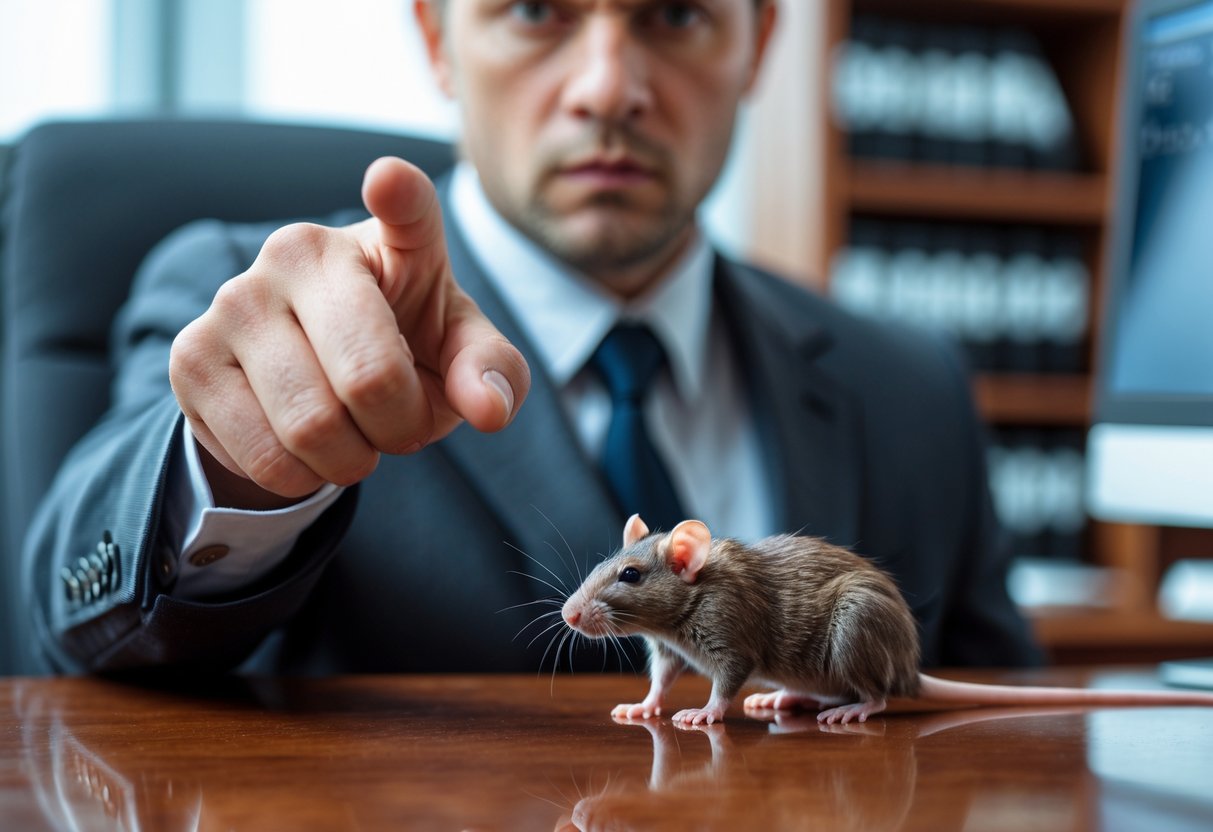
This idea goes way, way back. People saw rats as sneaky creatures that would bail out of a sinking ship or spread sickness around. Over time, folks started using “rat” for people who act shady or turn on their friends or communities.
So, when someone calls you a “rat,” it’s not really about the animal itself—it’s about all those negative traits people have attached to it over the years.
Learning where this word comes from can help you get why it stings so much. It’s not just a random insult; it’s tangled up with old ideas about trust and loyalty. Funny how a little word can carry so much weight, right?
Why Is “Rat” Considered an Insult?

People started using “rat” as an insult because it’s tied to betrayal, sneaky moves, and being unclean. Over time, folks connected rats to these bad traits, so the word turned into a pretty sharp insult. Seeing how this meaning grew helps you understand why being called a “rat” hits so hard.
Origins of the Term as a Slur
People have used “rat” as an insult since at least the 1600s. Back then, they used it for people who ditched friends or acted dishonorably. Later on, it described drunkards or cheaters too.
Rats, seen as pests that sneak around and cause trouble, shaped this meaning. By the 1800s, “rat” became slang for someone who betrays or tells secrets. That fits with the idea that rats run off when things get rough, just like a traitor might desert their group.
This sense of running away or ditching your people made the insult even harsher.
Evolution of “Rat” in Language
The meaning of “rat” changed as language and culture shifted. It stopped being just about deserters. People started using it for anyone untrustworthy or selfish.
Sometimes, it means someone who tells on others for their own benefit. There’s a difference between “rat,” “snitch,” and “informant” too. Usually, a rat betrays a group. A snitch tells to get out of trouble or for a reward. An informant shares info in a more official or neutral way.
Language keeps moving, and the word “rat” turned into a cutting insult focused on betrayal and dishonor, not just running away.
Cultural Associations with Betrayal and Filth
Rats live in dirty places and people often link them with disease. So, calling someone a rat ties them to filth and betrayal at the same time.
People see rats as sneaky and quick to run when things get dangerous. When you call someone a rat, you’re saying they can’t be trusted to stick around. That makes the insult pretty powerful, especially in tight groups where trust is everything.
In some communities, being called a rat can really mess things up for you. People might ignore you, leave you out, or just cut ties altogether.
For more on betrayal and secret-telling, check out the origins and history of the term rat.
Modern Uses and Changing Perspectives

These days, rats show up in all kinds of ways. Some folks see them as clever movie characters, while others keep them as pets or use them in science. It really depends on how you meet them.
Pop Culture Representations of Rats
You’ve probably seen rats as heroes or smart sidekicks in movies and cartoons. These stories give rats human traits, making them seem clever or even lovable.
Movies like Ratatouille show rats cooking, which changes how people feel about them. But rats still pop up as sneaky or shady characters too, echoing the old meaning of “rat” as a bad person.
This mix in movies and stories shapes how we think about rats—sometimes as pests, other times as cute or clever. Hollywood’s obsession with talking rats just shows we’re still figuring out what rats really mean to us.
Rats as Pets and Helpers
If you ever meet a pet rat, you’ll probably notice how calm and friendly they can be. Lots of people in your neighborhood actually keep rats as pets because these little guys learn tricks and form real bonds with their owners.
They need gentle care—good food, safe homes, that sort of thing. It’s not all that different from caring for a cat or a dog, honestly.
Scientists also work with rats a lot. Their behavior and biology are surprisingly close to ours in some ways, so researchers rely on them for studying health and diseases.
When you start to see rats as helpers, it really changes your perspective. They’re not just pests; they play useful roles in our lives and in science.
If you’re curious about how people care for pet rats or what makes them important in research, you can check out more here.


