
If you’ve noticed that your beagle becomes overly excited or anxious around other dogs, you’re not alone. Many dog owners face similar challenges with their pets. Reactive behavior in dogs often stems from fear, anxiety, or frustration, and understanding the reasons behind your beagle’s reactions can help you manage the situation better.

Common triggers for reactivity can include other dogs approaching too quickly, unfamiliar environments, or even changes in your beagle’s routine.
It’s crucial to recognize these triggers so you can work on reducing their impact. With some patience and training, you can help your beagle feel more comfortable and relaxed in social settings.
As you read on, you will discover effective strategies to address your beagle’s reactivity. Learning how to respond to dog reactivity will not only improve your dog’s behavior but also make walks and playdates a more enjoyable experience for both of you.
Understanding Beagle Reactivity

Beagles can show reactivity for different reasons. Knowing how to spot these behaviors and understanding what causes them will help you manage your dog better.
Identifying Reactive Behaviors
Beagles often display several signs when they are reactive. Common behaviors include:
- Barking: This is a vocal expression of excitement or fear.
- Lunging: Your beagle may pull towards another dog or person, trying to get closer.
- Growling: A growl can signal discomfort or fear.
- Body Language: Look for stiff postures, raised hackles, and a tucked tail, which indicate anxiety.
Recognizing these reactions is important. If your beagle acts this way, they might be feeling scared or threatened.
Common Causes of Reactivity
There are various reasons why your beagle might be reactive.
- Fear or Anxiety: New situations or unfamiliar dogs can trigger fear.
- Previous Negative Experiences: A bad encounter with another dog can lead to anxious behavior later.
- Pain and Discomfort: Sometimes reactivity is a response to physical pain. If your dog is hurting, they might overreact.
Understanding these causes can help you support your beagle better and work towards reducing their reactivity. Consider consulting a professional for further guidance.
Training and Behavior Modification
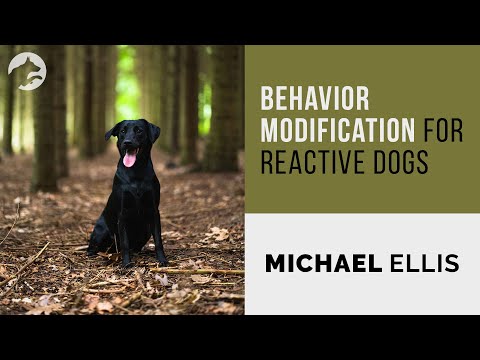
Training and behavior modification can greatly help your beagle manage reactivity towards other dogs. Focusing on positive reinforcement, desensitization, and the importance of socialization will create a well-adjusted pup.
Positive Reinforcement Techniques
Using positive reinforcement is one of the best ways to teach your beagle calm behavior.
When your dog stays calm around other dogs, reward them with treats, praise, or playtime. This helps them associate the presence of other dogs with something good.
Make sure to start in low-stress situations. For instance, use a distance where your beagle can see another dog but not react. Gradually bring them closer as they improve. Always be patient and consistent with your rewards.
Using a clicker can also help mark the exact behavior you want to reinforce. This clear communication makes it easier for your beagle to learn what is expected.
Desensitization and Counter-Conditioning
Desensitization helps your beagle get used to other dogs in a controlled way.
Start by exposing them to a distant dog where they can remain calm. Gradually decrease the distance as your dog becomes more comfortable.
Counter-conditioning works alongside desensitization. If your dog reacts negatively to another dog, change the way they feel about that dog.
For example, when they see another dog, give them treats. This helps your dog form positive associations and reduces their fear.
Keep sessions short and positive to avoid overwhelming your dog. This method can take time but is very effective in helping them cope with triggers that cause reactivity.
The Role of Socialization
Early and ongoing socialization is crucial for your beagle’s development.
Expose your dog to various environments, people, and other animals. This helps them learn how to interact calmly.
Start socialization during puppyhood, if possible. Take your puppy to dog parks, training classes, or group walks. This helps them learn appropriate dog behavior and builds their confidence.
If your beagle is older, you can still work on socialization. Arrange controlled playdates with well-mannered dogs. This gives your beagle a chance to practice their social skills while under your supervision.
Medical and Behavioral Considerations

Understanding why your beagle is reactive to other dogs involves looking into both medical and behavioral factors. Health issues or past experiences could affect your dog’s behavior. It’s important to know when to seek help and understand where to find the right support.
When to Consult a Veterinarian
If your beagle shows sudden changes in behavior, it’s time to visit the veterinarian.
Medical conditions, like hypothyroidism, can lead to increased reactivity. This can happen if your dog is in pain or discomfort.
Watch for signs such as:
- Increased barking or growling
- Changes in appetite
- Withdrawn behavior
If you notice these signs, schedule an appointment. A vet can rule out underlying health problems. They may suggest treatments or medication to help your dog feel better, leading to improved social skills and less aggression.
Seeking Professional Help for Behavior Issues
Addressing reactive behavior often requires professional help.
A qualified dog trainer can provide a tailored approach for your beagle. They can assist with leash reactivity or resource guarding during dog play.
Consider enrolling in a class or one-on-one sessions focused on desensitization. This process helps your dog gradually get used to others in a controlled setting.
Look for trainers who use positive reinforcement techniques to encourage good behavior.
Make sure to discuss any previous experiences that could contribute to your dog’s behavior. With professional guidance, you can work toward reducing reactivity and helping your beagle enjoy interactions with other dogs safely.
Creating a Supportive Environment for Your Beagle

Creating a calm and safe environment for your beagle is essential for reducing their reactivity to other dogs. This involves setting up your home in a way that encourages positive behavior and managing situations to avoid triggers.
Setting Up for Success at Home
Start by ensuring your home is a secure space for your beagle.
Make a comfortable area with their bed and toys where they can relax. This helps them feel safe and reduces anxiety.
Tips to create a supportive home:
- Use calming scents, like lavender.
- Play soft music or white noise to soothe your beagle.
- Keep their living space clean and free of distractions.
Socialization is key.
If your beagle hasn’t met many other dogs, gradually introduce them to new experiences in a controlled manner. This can help build confidence. Structure interactions so your beagle learns to feel more comfortable around other dogs.
Managing and Avoiding Triggers
Be aware of your beagle’s triggers. Crowded parks or aggressive barking can cause them stress.
To help avoid these triggers, identify when your beagle shows signs of reactivity.
Strategies to manage reactions:
- Choose quiet parks or less busy times for walks.
- Use a leash and harness for extra control.
- Reward calm behavior with treats or praise.
Gradual exposure to other dogs is important. Start with a friend’s calm dog in a controlled, familiar area.
Keep sessions short and positive. As your beagle becomes more comfortable, you can slowly increase their interactions with other dogs. This helps them learn to manage their reactions effectively.


