
If you’ve noticed a fox hanging around your home recently, you’re not alone. Many people find these clever creatures wandering into their neighborhoods, often surprising those who expect wildlife to stay away from populated areas. Foxes are highly adaptable animals that thrive in residential neighborhoods, seeking food and shelter close to humans.
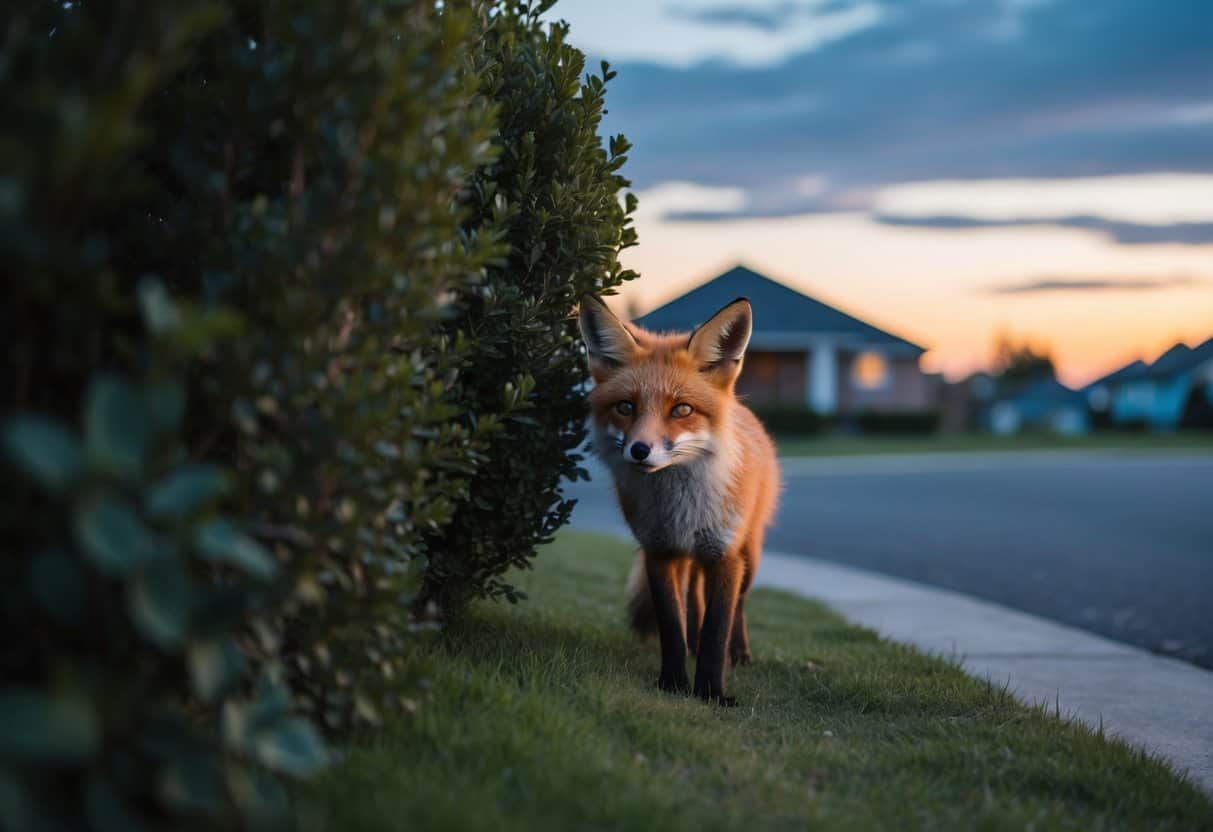
These animals can often be spotted roaming yards or gardens, particularly if there are easy food sources like pet bowls or trash. Their presence is usually a sign that they have discovered a safe environment to explore, which you might find fascinating and concerning at the same time. Understanding why a fox is near your house can help you manage this wild visitor effectively.
If you’re curious about the impact foxes may have on your neighborhood and what to do about their presence, you’re in the right place. In the following sections, we’ll explore what attracts foxes, how to coexist peacefully, and tips to keep these wildlife visitors at bay when desired.
Understanding Fox Behavior
Foxes can often be seen around residential areas, especially the red fox, which is common in North America. They are adaptable animals with unique habits that relate directly to their environment, feeding, and interactions with other animals, including pets.
Natural Habitat and Denning
Foxes thrive in diverse environments, including forests, grasslands, and urban areas. They typically create their homes in a fox den, which can be a burrow they dig or a space they find in abandoned buildings.
A den provides safety for their young, known as kits. Red foxes often choose locations near sources of food and cover. If your yard offers these conveniences, it might attract them. Their ability to adjust their habitat preferences explains why you might spot them in your neighborhood.
Diet and Survival
As omnivores, foxes have a varied diet that includes small mammals, birds, fruits, and even insects. This flexibility helps them survive in different environments, including urban settings, where they can scavenge.
During the day, they often hunt alone or scavenge for food left by humans. If you have garden waste or pet food outside, it could be luring them in. By understanding their eating habits, you can manage your space to discourage visits.
Interaction with Domestic Pets
Foxes are generally wary of domestic dogs, but encounters can occur, especially if a dog is left outside unsupervised. Foxes can be curious and may approach if they feel safe.
It’s essential to supervise your pets to prevent potential conflicts. If your dog is particularly vocal, it may attract the attention of nearby foxes. Keeping dogs indoors at night or in a secure area can help minimize interactions. Ensuring your yard is secure also discourages foxes from making it their playground.
Health and Safety Concerns
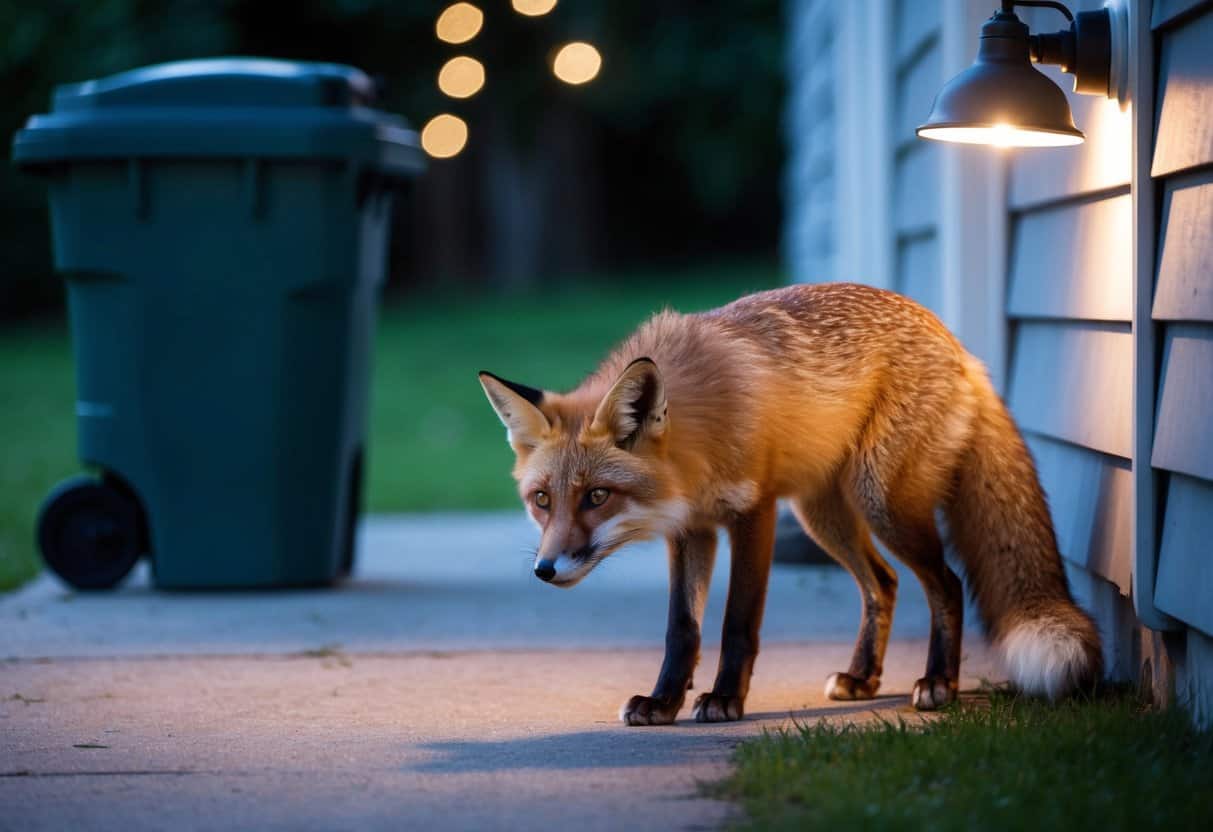
When a fox is hanging around your house, it’s important to consider potential health and safety issues. Understanding these concerns can help you take the right steps to protect yourself and your pets.
Rabies and Disease Transmission
Rabies is a serious disease that can affect foxes. Although it’s rare for foxes to transmit rabies to humans, it can happen. If you see a fox acting strangely, such as being overly aggressive or not afraid of people, it’s crucial to stay away.
Some signs of rabies include:
- Excessive drooling
- Motivation to attack or bite
- Lack of fear of humans
If you suspect rabies, contact your local animal control or health department for guidance. Remember, rabies is preventable with prompt treatment after exposure.
Potential for Fox Attacks
While fox attacks on humans are uncommon, they can occur, especially if the animal feels threatened. It’s essential to be cautious, particularly if you have small pets outside. Foxes are known to target cats and small dogs.
To minimize risk:
- Keep your pets indoors during the night.
- Supervise them when outside.
- Use a secure fence if you have a yard.
You should educate your family about respecting wildlife and avoiding approaching a fox. If a fox appears aggressive or approaches you, make strong noises to scare it away.
Managing Risks of Mange
Mange is a skin disease caused by mites that can affect foxes. It can cause severe itching and hair loss. Although mange is not directly contagious to humans, it’s a sign that the fox may be unhealthy.
Here are steps you can take to manage this risk:
- Keep your distance from any fox that appears sick.
- Avoid letting your pets interact with wild animals.
- Monitor your pets for any signs of irritation or illness.
If you notice your pet scratching excessively or showing signs of infection, consult your veterinarian. Taking these precautions helps ensure both you and your pets stay safe.
Effective Deterrence Strategies
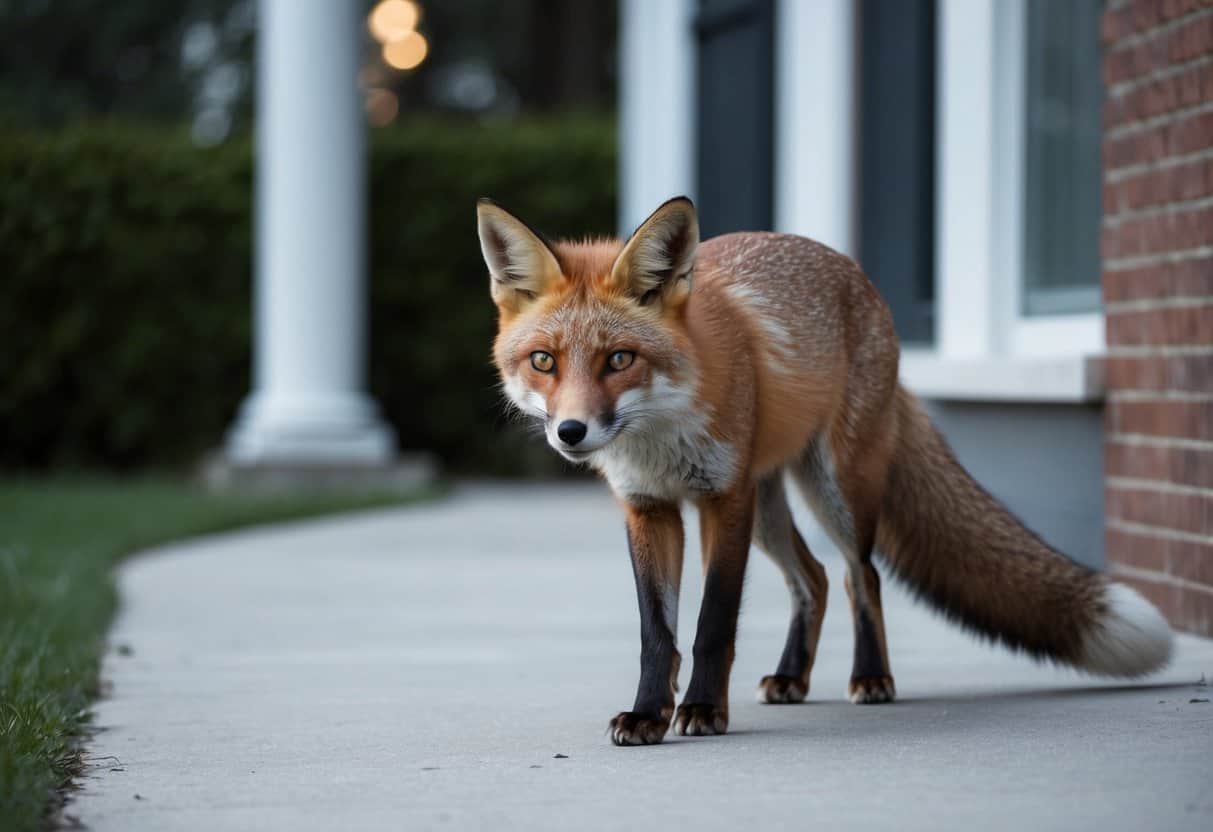
When a fox lingers around your property, it’s essential to take action to keep it at bay. By securing food sources, using deterring scents, and employing physical deterrent methods, you can effectively reduce the chances of a fox returning.
Securing Food Sources
Foxes often come around looking for food, so the first step is to secure any potential food sources. If you have pets, store their food indoors and feed them only what they need. Avoid leaving pet food outside, as it can attract foxes and other wildlife.
Additionally, make sure to dispose of trash properly. Use animal-proof bins to prevent foxes from rummaging through your garbage. Regularly clean up any fallen fruit or pet waste in your yard, as these can also attract foxes.
Providing minimal food sources will make your property less appealing to them.
Using Deterring Scents
Certain scents can deter foxes effectively. You can create a natural repellent using capsaicin. Mix four tablespoons of hot sauce with a quart of water and spray it around your garden. The strong smell and spiciness can help keep foxes away.
In addition, you might consider using strong smells like garlic or ammonia. Sprinkling garlic powder around your yard can act as another deterrent. You can also dab some ammonia on cotton balls and place them in areas where you’ve seen fox activity.
These scents can make your property less inviting.
Physical Deterrent Methods
Using physical barriers can also help keep foxes away. Installing bright lights or motion sensors in your yard can scare off foxes at night. They prefer dark and secluded areas, so adding light can be a simple solution.
Another option is an electrified fence. If you have valuable pets or garden space, this can be very effective. These fences can deter not only foxes but also other larger animals.
You might also consider making noise through wind chimes or reflective tape. Unusual sounds and movements can disturb foxes, encouraging them to find a quieter place.
Implementing these strategies will help you maintain a fox-free environment around your home.
When to Contact Professionals
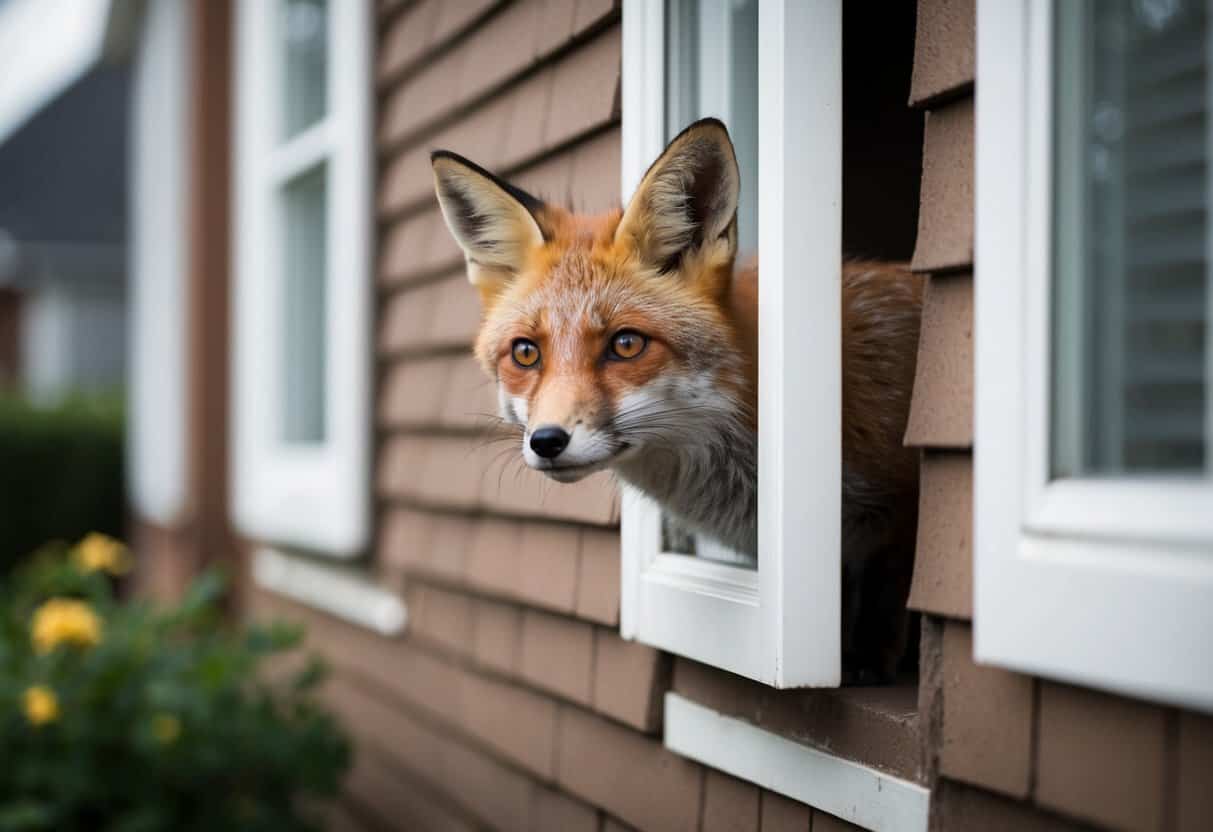
If a fox continues to linger around your property, it’s important to know when to seek help from professionals. They can provide guidance, safety, and solutions tailored to your situation.
Animal Control Guidance
If a fox poses a threat or acts unusually, contacting animal control is a wise step. These experts can assess the situation and provide advice specific to your area.
You may need help if you notice:
- The fox displaying aggressive behavior
- The animal approaching too closely to people or pets
- Signs of a den close to your home
Animal control will have local knowledge about fox behavior and can suggest ways to keep your property safe. They may also provide tips for securing your yard to prevent a fox from returning.
Professional Removal Services
If the fox remains persistent despite your efforts, you should consider hiring a professional removal service. These experts use humane methods to relocate the animal safely.
Before contacting them, observe:
- Whether the fox has made your property a temporary home
- If it returns regularly for food
When you reach out, provide details about its behavior and your concerns. This information will help the professionals develop an effective plan.
Professional services often check for entry points where the fox may access your yard. They can help you seal these areas to prevent future visits.


