
Foxes fascinate many people because they seem to exist between wild and familiar. This curiosity about why foxes have not been domesticated often arises when people see a calm fox near humans or hear about foxes raised in captivity.
The short answer is that people can tame foxes or selectively breed them for friendliness. Yet, foxes still lack the long-term inherited changes that define true domestication.
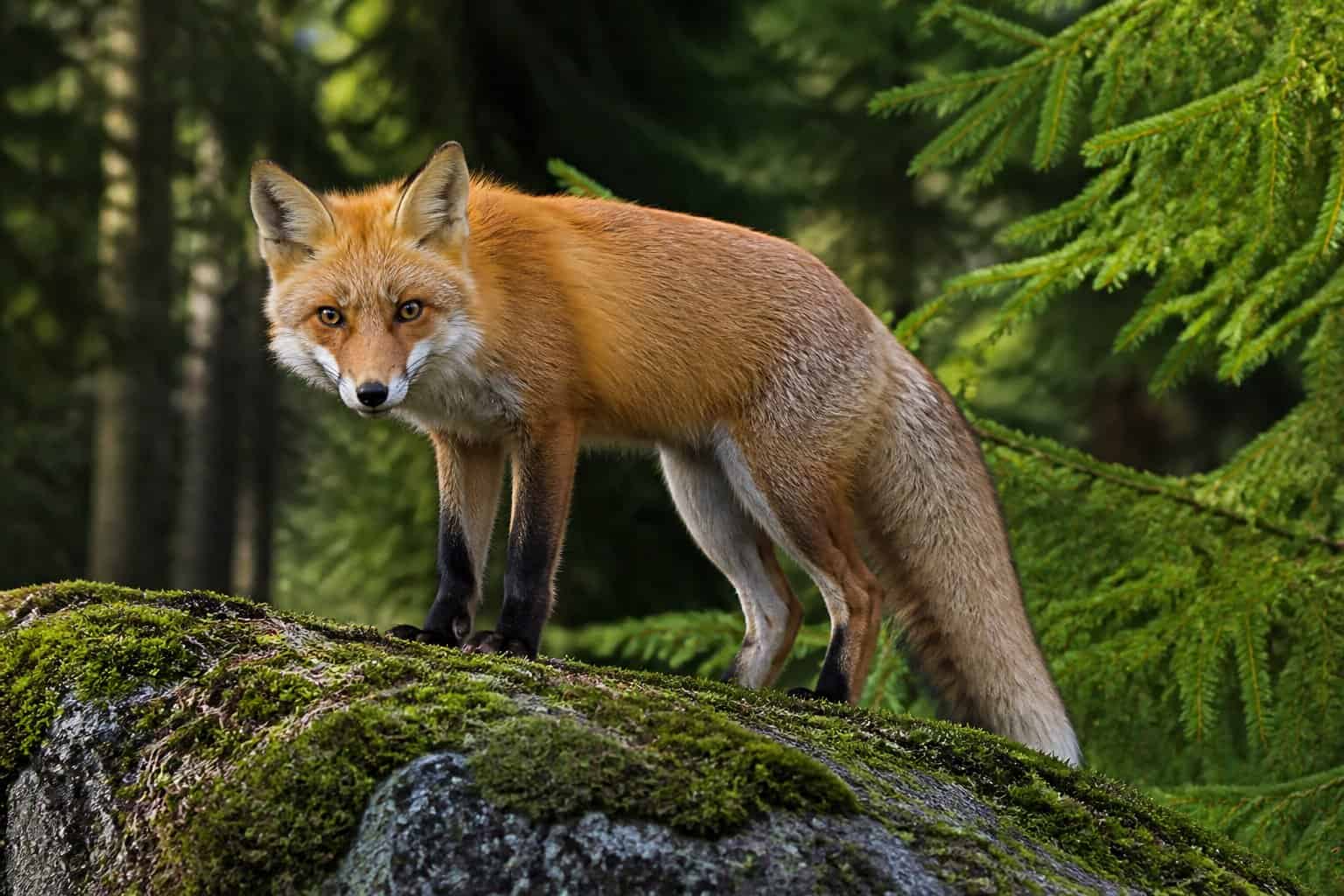
Foxes do not fit human life as naturally as dogs or cats. Their behavior, breeding patterns, and daily needs keep them closer to wild survival than household companionship, even when they seem comfortable around people.
The Difference Between Tame, Habituated, And Domesticated
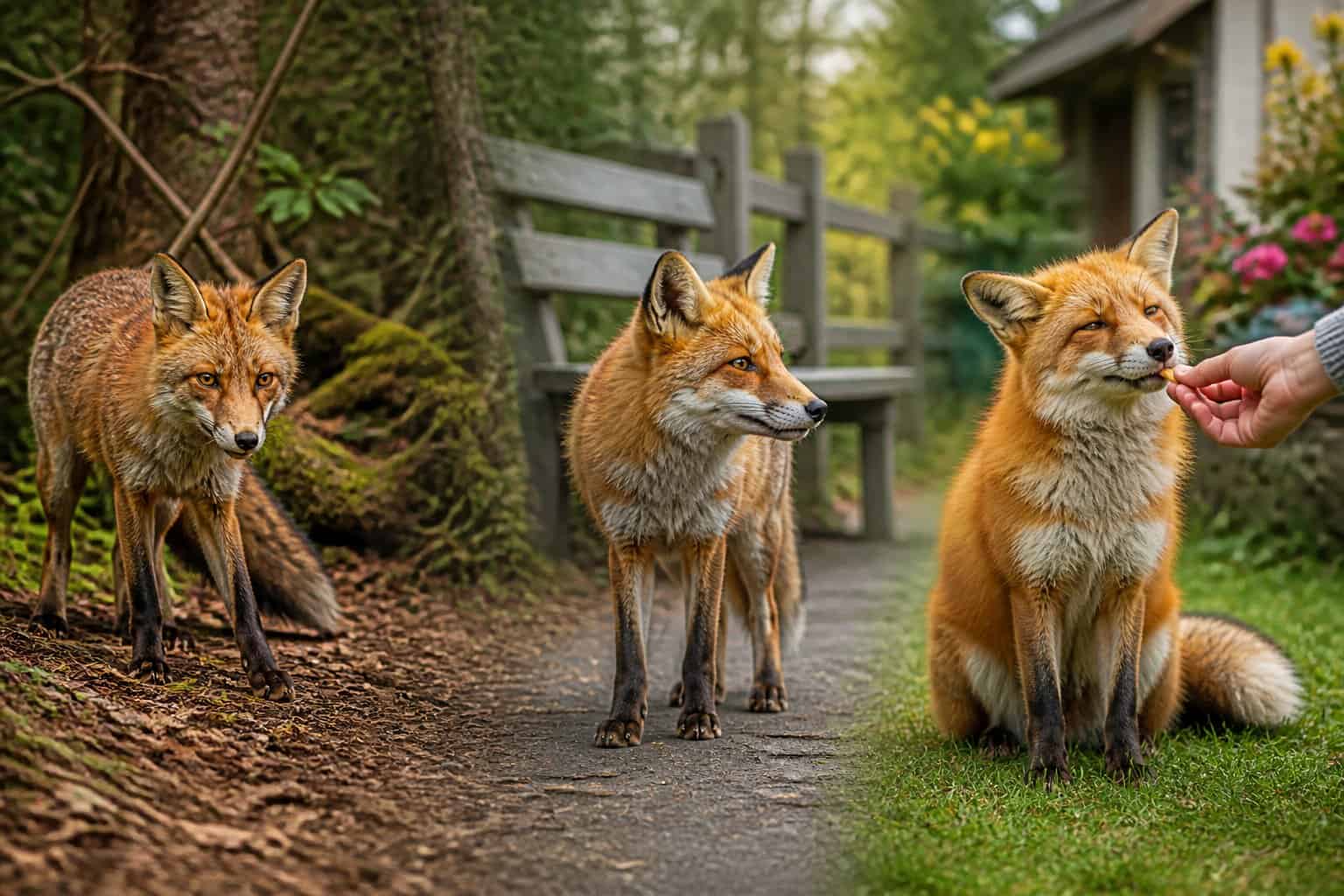
A fox can look relaxed around humans without being domesticated. The real divide is not just friendliness, but whether behavior and biology change in ways passed down through generations.
What Scientists Mean By Domestication
Selective breeding reshapes a species over many generations. This process results in inherited changes in behavior, reproduction, and often body form, not just a calm animal in your presence.
Why Friendly Behavior Does Not Equal Inherited Change
A tame fox may tolerate people, approach for food, or seem curious, but it remains genetically wild. Gentle behavior on the surface does not prove the species has changed as a whole.
How Self-Domestication Fits The Debate
Some people point to self-domestication when urban foxes act bolder around humans. Reduced fear from living near people does not create a new domesticated lineage, and scientists still consider that habituation or local adaptation rather than full domestication.
Why Foxes Have Been Poor Candidates For Human Partnership
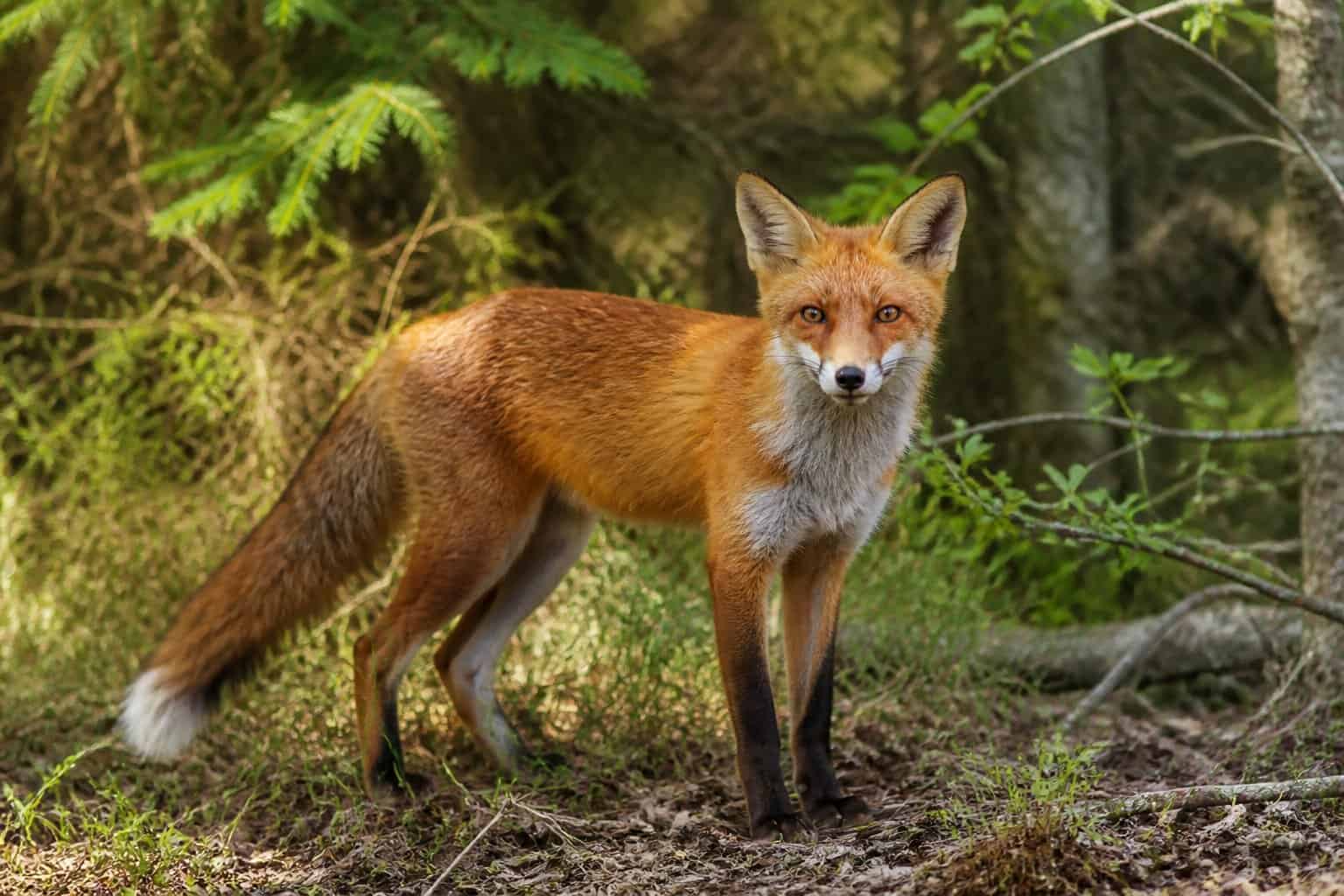
Foxes do not naturally offer the same cooperation profile that made dogs such effective partners. Their independence, stress responses, and breeding difficulties make long-term human selection much harder.
Solitary Behavior Compared With Dogs’ Ancestors
A red fox is built for solitary or small-scale survival, not for constant social coordination with humans. This makes fox domestication far more difficult than it was for species whose ancestors already lived in structured social groups.
Breeding And Selection Challenges
To domesticate foxes, people need many generations of controlled breeding and consistent selection for docility. This process is slow, costly, and unpredictable, especially since foxes mature differently, stress easily, and keep strong wild instincts.
Why Practical Roles Went To Dogs And Cats Instead
Dogs helped with hunting, guarding, and close cooperation. Cats controlled rodents and adapted to human settlements with little training. Foxes rarely matched those practical roles, so people had little reason to pursue their domestication.
What The Russian Fox Experiment Actually Shows
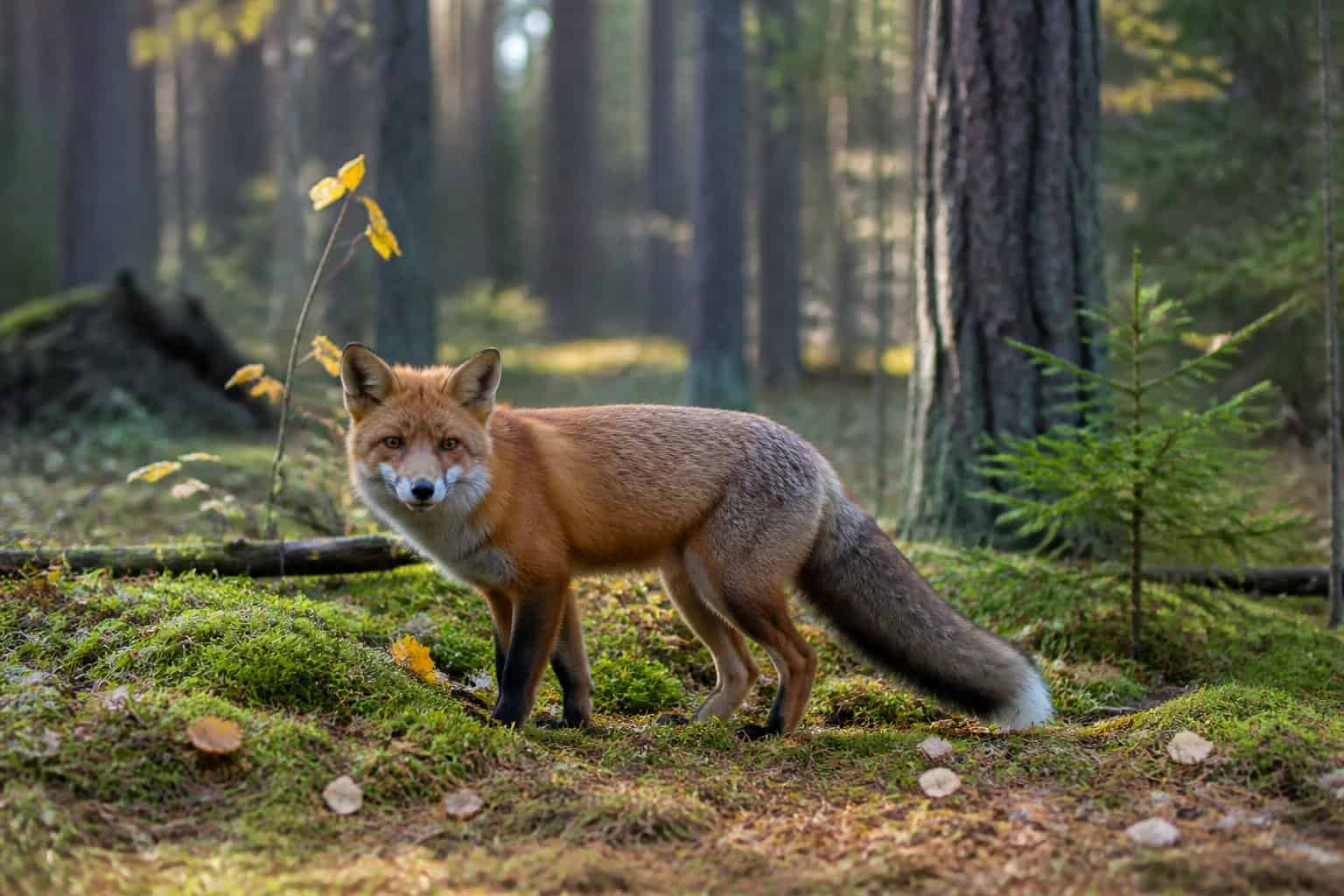
The Russian experiment shows what happens when humans actively select for tameness. It also shows why a friendly breeding line is not the same thing as a wild species naturally becoming domesticated.
How The Russian Fox Experiment Selected For Tameness
In the famous Russian fox experiment, breeders repeatedly chose the least fearful foxes and used them for the next generation. This intentional pressure changed behavior quickly and made some foxes easier to handle.
Why Domestication Syndrome Gets So Much Attention
The experiment produced traits associated with domestication syndrome, such as altered coats, ear shape, and body form. These changes interest scientists because they suggest behavior and physical development can shift together under selection.
Why Lab Results Do Not Mean Wild Foxes Are Domesticated
Lab foxes changed because people kept choosing them for breeding. Wild foxes have not become domesticated on their own, and ordinary foxes near homes are not following the same genetic path.
Why Urban Foxes Still Are Not Becoming Pets
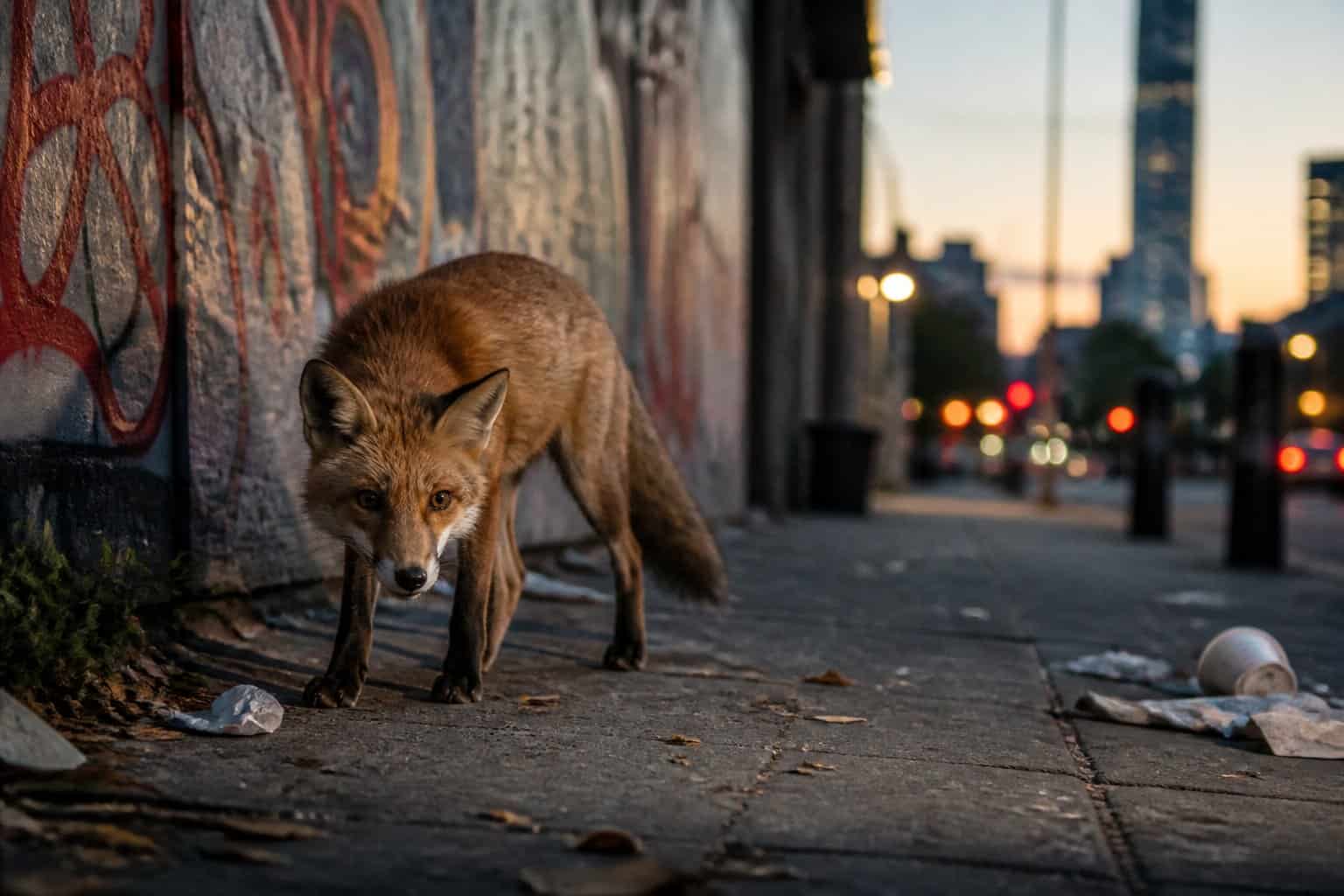
City foxes can look unusually bold, which often fuels the idea that foxes are becoming domesticated. Their behavior reflects flexible survival in human environments rather than pet-like dependence.
What Studies Found In Urban And Rural Populations
Researchers found that urban foxes can be less fearful and more willing to explore human settings than rural foxes. This gap shows how flexible fox behavior can be, while still staying within the range of a wild species.
Habituation, Food Access, And Reduced Fear Around People
When foxes live near people, they learn where food is and when danger is low. This kind of habituation can make them seem friendly, but it does not create the inherited change needed for true domestication.
Why Misreading Urban Foxes Can Harm Wildlife
If you treat an urban fox like a pet, you may put yourself and the animal at risk.
Feeding, handling, or removing wildlife can disrupt natural survival patterns and create dependence on people.


