
Ever noticed giraffes just standing around for ages and wondered why they don’t plop down like, say, cows? Giraffes mostly avoid lying down because getting up from the ground takes them a while and leaves them exposed, so standing helps them dodge predators and keeps them munching.

Their long legs, super-sized necks, and unique sleep patterns all play a part in this odd habit.
You’ll get the basics on how they rest, when they actually do lie down, and why it’s so rare.
It’s a weird mix of biology and survival instincts.
Why Don’t Giraffes Lay Down?
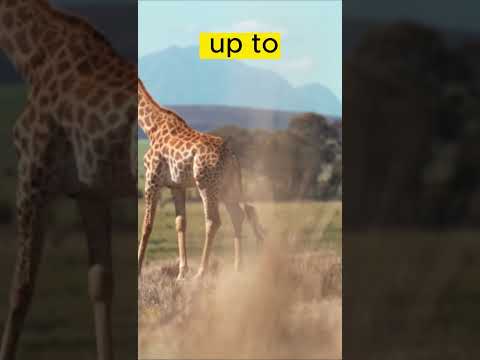
Giraffes almost never lie down, and for good reason. Their bodies, the threat of predators, and their style of resting all push them to stay on their feet.
Let’s break it down.
Physical Challenges of Lying Down
Giraffes can stand up to 5 or 6 meters tall and tip the scales at nearly a ton.
If you’ve ever watched one try to lie down, it’s a bit awkward—they have to fold those long legs and lower a neck that’s over 2 meters long.
It takes them several seconds just to get back up.
Their heart works overtime shifting blood when they move their head up or down.
That makes the whole process tough and, honestly, a bit risky.
Staying on their feet just feels easier and safer for them.
Risks from Predators and Safety in the Wild
Out on the savannah, lions and hyenas are always looking for an easy meal.
If a giraffe’s on the ground, it can’t bolt away fast.
That’s a big problem.
Giraffes usually hang out in loose groups called towers.
While some eat or rest, others keep an eye out.
By standing, they all get a good view and can react quickly if anything creeps up.
It’s a system that works—most of the time, anyway.
How Giraffes Rest When Not Standing
When giraffes do decide to lie down, they tuck their legs underneath and often keep their necks upright.
You’ll see them chewing cud and staying half-awake even like this.
They only drop into real sleep for a few minutes at a time.
Sometimes, especially if they feel safe, you might spot one curling its neck and resting its head on its rump for a quick REM nap.
Researchers in zoos and in the wild notice these deep sleep moments don’t last long.
Most of the time, giraffes juggle eating, ruminating, and light dozing—usually while standing.
They only risk lying down if things seem really safe.
If you’re watching, it just looks like they never sit, but every so often, they’ll settle down with lots of caution.
Giraffe Sleep Patterns and Adaptations

Giraffes sleep in short bursts, mixing standing and lying down.
They’ve got to balance eating, digesting, and staying alert.
How Giraffes Sleep Standing
You’ll often catch a giraffe taking a quick nap while still upright.
Standing sleep just looks like zoning out: the giraffe stands still, neck drooping a bit.
That way, if anything spooks them, they can snap awake and move.
This kind of sleep isn’t deep—more like a light doze.
They keep just enough muscle tension to stay balanced.
Sometimes you’ll notice them sway or nod their heads; that’s a sure sign they’re catching a quick nap.
Young giraffes seem to nap standing up more than adults.
In the wild, moms will often stand guard while their calves nap on the ground.
How Long Do Giraffes Sleep?
Compared to most mammals, giraffes barely sleep.
Adults usually get maybe one to five hours in a whole day, and it’s often closer to just two hours out in the wild.
In zoos, where life’s a bit less stressful, they might sleep four to six hours.
They don’t get all their sleep at once.
Instead, they take lots of tiny naps.
Real REM or deep sleep can last less than a minute—pretty wild, right?
You won’t see them snoozing for long stretches.
Instead, they just grab a few winks here and there, day and night.
Baby giraffes need more sleep, though.
Calves might sleep several hours and often curl up with their heads back in that classic “swan” pose when they’re in deep sleep.
Why Do Giraffes Sleep So Little?
Giraffes really don’t sleep much, and two big reasons stand out: safety and digestion.
When a giraffe lies down, it’s basically putting itself at risk. Getting up isn’t quick or graceful, and those long necks and legs make them easy targets for predators. If a lion or hyena comes by, staying upright gives them a much better shot at escaping.
Their eating habits play a huge role, too. Giraffes spend hours munching on leaves, and then they have to chew cud for a long time afterward. That whole process eats into the hours they could spend sleeping.
Since they need to keep an eye out and eat a ton, giraffes settle for short, efficient naps instead of deep, long sleep.
The environment can mess with their sleep patterns as well. If there’s bright moonlight or predators hanging around, they’ll spend even less time lying down.
But in zoos or other safe places, you’ll actually see them rest more, sometimes even lying down for longer stretches. Less danger and easier meals really make a difference.


