
It’s concerning when your cocker spaniel suddenly refuses to walk. Many dog owners feel confused and worried when their furry friends show reluctance to go outside. Understanding why your cocker spaniel is hesitant can help you address the issue and get them moving again.
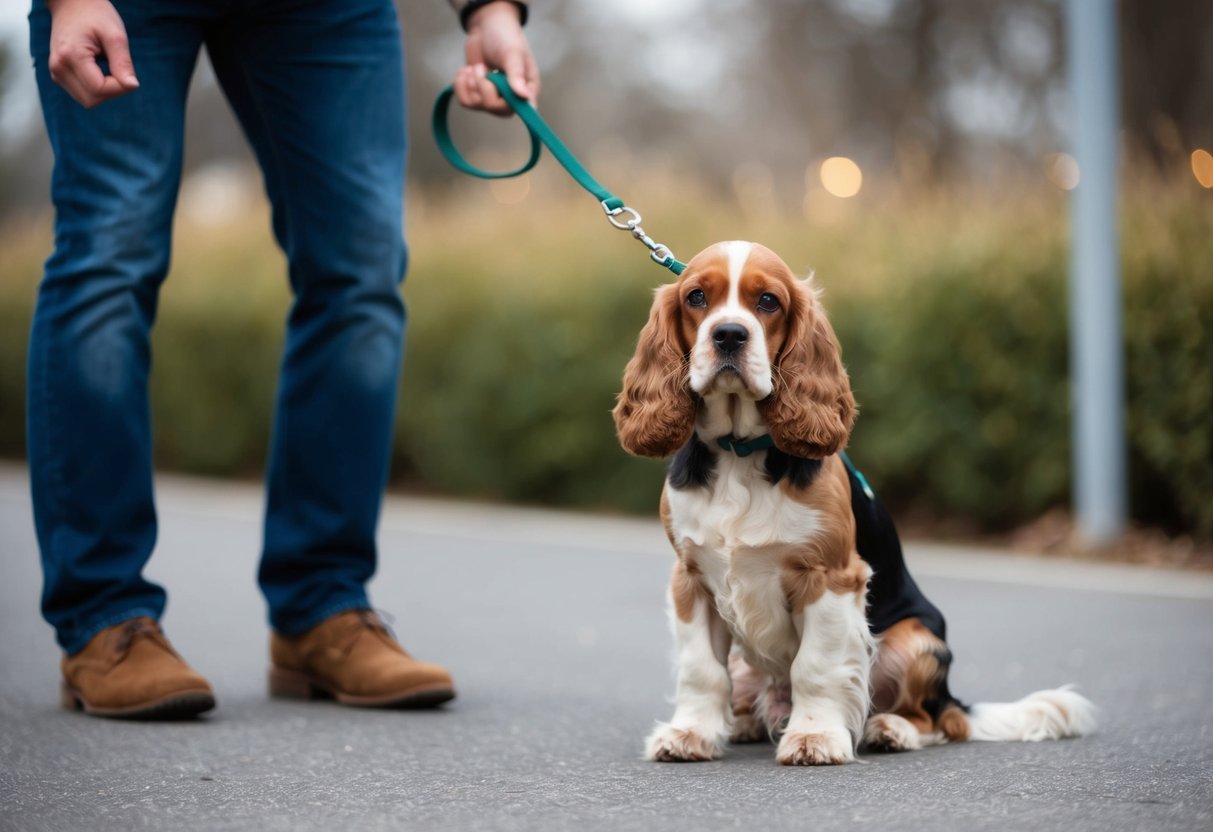
Various factors can lead to this behavior. It could be anything from medical problems, such as pain or discomfort, to emotional factors like fear or anxiety.
Knowing the signs and underlying causes can help you create a plan to encourage your dog to walk happily once more.
You may also discover useful tips to make walks more enjoyable for your pup. Getting to the root of the issue is the first step in helping them regain their love for walks.
Understanding Your Cocker Spaniel’s Behavior

Cocker Spaniels have unique behaviors that can affect their willingness to walk. Recognizing these behaviors can help you understand your dog better and improve your walks together.
Common Behavior Challenges in Cocker Spaniels
Cocker Spaniels can face several behavior challenges that may make them hesitant to walk. Some common issues include:
- Fear: New environments, loud noises, or unfamiliar places can cause anxiety.
- Distraction: These dogs may get easily distracted by other pets or people, making it hard to focus on walking.
- Lack of Exercise: Insufficient physical activity might lead to restlessness or reluctance to walk.
- Inconsistency in Training: Without consistent training, your dog may not understand the walking routine, leading to resistance.
Knowing these challenges helps you create a better walking experience by addressing their needs effectively.
Signs of Discomfort in Dogs
When your Cocker Spaniel refuses to walk, it may be a sign that something is wrong. Watch for these signs of discomfort:
- Body Language: Look for tense muscles, lowered ears, or a tucked tail.
- Vocalization: Whining or growling can indicate discomfort or fear.
- Stiffness: If your dog is unwilling to move or hesitates, it may be experiencing pain.
- Excessive Scratching or Shaking: This can signal skin issues or ear problems, which may affect their willingness to walk.
Being aware of these signs allows you to respond promptly, ensuring your dog feels safe and comfortable during walks.
Health-Related Causes of Walking Refusal
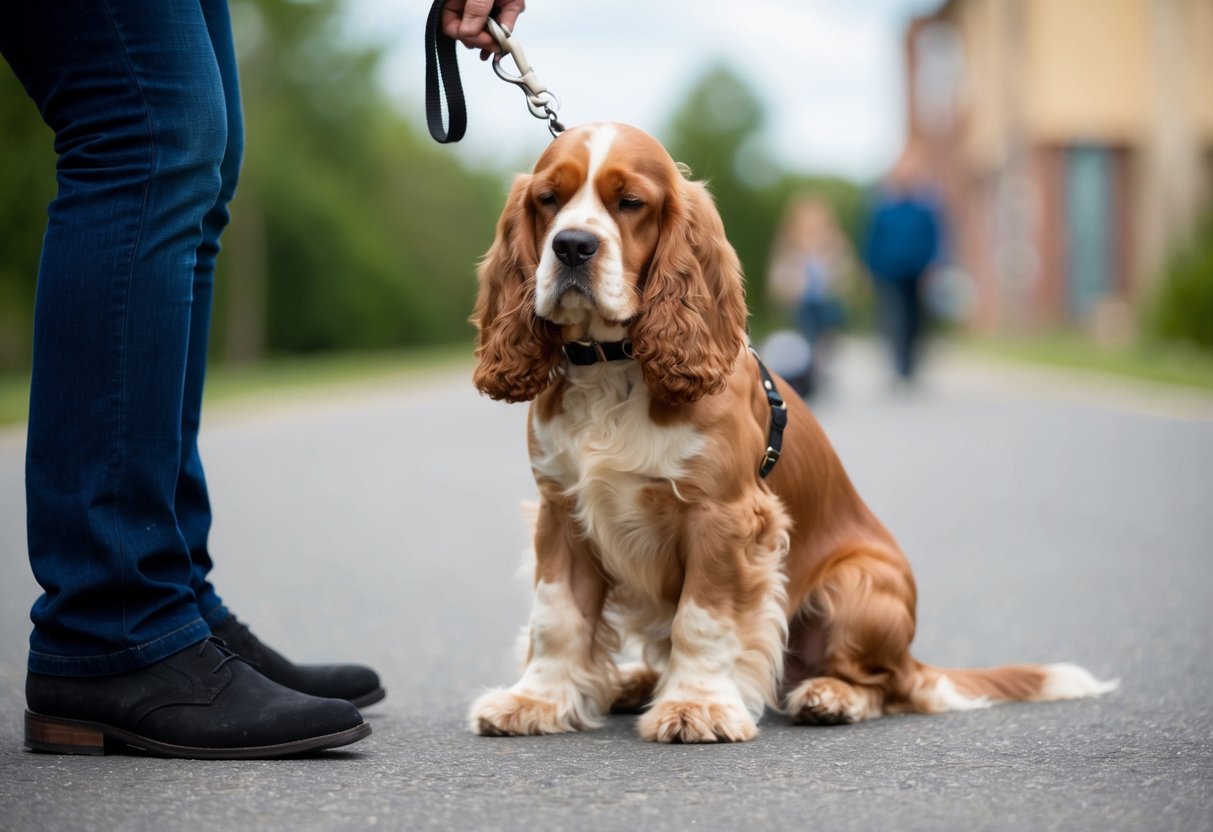
There are several health-related reasons your Cocker Spaniel might refuse to walk. Understanding specific issues can help you determine the best course of action for your furry friend.
Exploring Hip Dysplasia in Cocker Spaniels
Hip dysplasia is a common issue in many dog breeds, including Cocker Spaniels. It occurs when the hip joint doesn’t fit properly, causing discomfort and pain.
If your dog shows signs of reluctance to walk, it may be due to the pain associated with this condition. You might notice your dog favoring one leg or having difficulty getting up after resting. This discomfort can make walks feel unpleasant, leading to refusal.
Monitoring your dog’s movement can be helpful. Look for signs like limping or hesitation before walking. If you suspect hip dysplasia, consult your veterinarian for a proper diagnosis and treatment options.
Recognizing Pain or Illness Symptoms
Different health issues can also cause a Cocker Spaniel to refuse walks. Pain from conditions like ear infections, arthritis, or even dental problems can make movement undesirable for your dog.
Watch for symptoms such as whimpering, excessive licking of limbs, or abnormal behavior. These signs can indicate underlying discomfort that may need attention.
Additionally, if your dog appears lethargic or has a decreased appetite, it may suggest illness. Regular check-ups with your vet are essential for maintaining your dog’s health and identifying potential problems early. Recognizing these symptoms can greatly improve your dog’s quality of life.
Training and Positive Reinforcement

Training your Cocker Spaniel using positive reinforcement can create a fun and effective way to encourage walking. Understanding how to reward good behavior and address any negative associations is key.
Effective Use of Positive Reinforcement
Start by using treats, praise, or toys as rewards when your Cocker Spaniel walks nicely. This technique motivates them to associate walking with positive experiences.
For example, if your dog takes a few steps without pulling, immediately offer a treat.
Tips for effective reinforcement:
- Be consistent: Reward them every time they walk calmly.
- Use timing: Deliver praise or treats right after the desired behavior.
- Keep it simple: Choose clear commands to help them understand.
By consistently rewarding your Cocker Spaniel, you’ll encourage them to walk more willingly.
Overcoming Negative Associations
If your Cocker Spaniel has developed negative associations with walking, helping them feel safe is essential. Start by identifying triggers that may cause stress, like loud noises or busy streets.
To address these fears:
- Create a calm environment: Choose quiet times for walks.
- Gradual exposure: Slowly introduce your dog to new sights and sounds.
- Use treats during walks: Reward your dog for staying calm in stressful situations.
By using positive reinforcement and overcoming fears, you can make walks an enjoyable experience for your Cocker Spaniel.
Tips for Encouraging Your Dog to Walk

Getting your Cocker Spaniel to walk can be challenging, but there are effective ways to motivate them. From creative techniques to knowing when to ask for help, here are some tips to encourage your dog to get moving.
Creative Solutions to Motivate Your Cocker Spaniel
Start by making walks fun and engaging. Use toys or treats to entice your Cocker Spaniel. Bring along their favorite squeaky toy to capture their interest. You can also reward them with treats when they begin to walk—this helps them associate walking with positive experiences.
If your dog stops walking, try changing your walking route. Explore new areas that might excite their curiosity. This can make walks feel like an adventure.
Additionally, consider using a longer leash. This allows your dog some freedom to explore while still keeping you in control.
You can also play games before going for a walk. A quick game of fetch can help burn off some energy and make your dog eager to walk. Finally, ensure that your Cocker Spaniel is healthy. Sometimes reluctance to walk can be due to discomfort or health issues.
When to Seek Professional Help
If your Cocker Spaniel consistently refuses to walk, it may be time to seek professional help. A veterinarian can check for health issues that may be causing discomfort. Conditions like arthritis or hip dysplasia can make walking painful.
To address behavioral issues, consider consulting a dog trainer. They can provide strategies tailored to your dog’s needs. A trainer can help you understand your dog’s behavior and teach you how to encourage walking without force.
You shouldn’t ignore changes in your dog’s willingness to walk. It’s important to take note if your dog suddenly stops walking or shows signs of fear. These can be signs of anxiety or trauma that a professional can help address. Timely intervention can improve both your dog’s happiness and your walking experience.


