
If your cocker spaniel is suddenly pooping in the house, it can be concerning and confusing. There are various reasons for this behavior, ranging from health issues to changes in their environment. Understanding why this happens can help you address the problem and restore peace in your home.
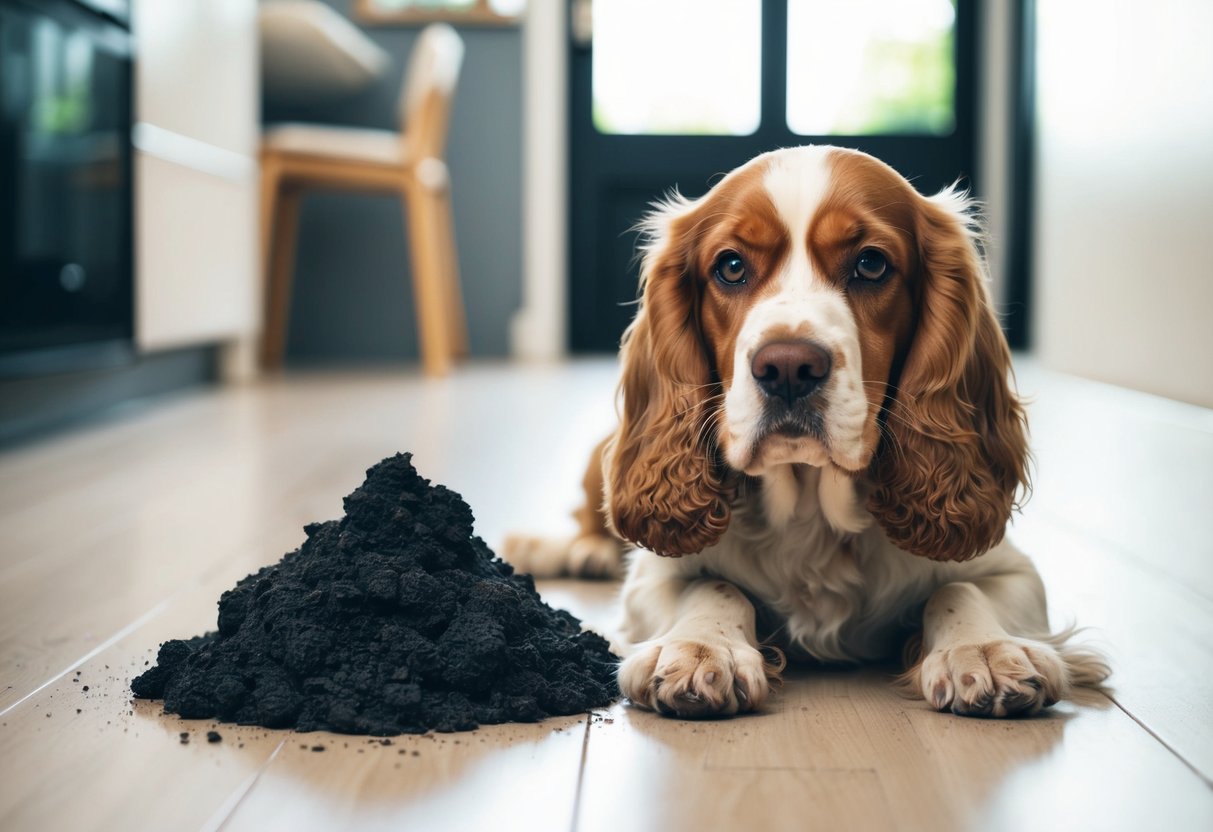
For many dog owners, a well-behaved pet that is house trained is the goal. So when that changes, it can leave you wondering what went wrong. Some common causes include anxiety, dietary changes, or even underlying medical conditions that need attention.
By exploring these reasons, you can find effective solutions to help your furry friend and keep your home clean. Keep reading to discover what might be going on and how to help your cocker spaniel.
Understanding Your Cocker Spaniel’s Behavior

Your Cocker Spaniel’s behavior can be influenced by several factors, including their diet, stress levels, and age. Understanding these aspects can help you address why your dog might be pooping in the house.
Influences of Diet and Dietary Changes
Diet plays a crucial role in your Cocker Spaniel’s bathroom habits. If there have been recent changes to their food, it might upset their stomach.
Low-quality dog food or sudden diet shifts can lead to diarrhea or frequent urges to go outside.
It’s important to stick to a consistent and balanced diet. Look for high-quality dog food that meets their nutritional needs. Additionally, monitor how your dog reacts to any dietary changes. If you switch foods, do it gradually to prevent digestive issues. Keeping a food diary may also help identify any links between certain foods and bathroom accidents.
Stress, Anxiety, and Environmental Factors
Cocker Spaniels are sensitive dogs and can easily become stressed or anxious. Changes in their environment, such as moving to a new home or having unfamiliar people around, can trigger anxiety.
Signs of stress may include frequent barking, pacing, or hiding. If your dog shows signs of anxiety, consider creating a calm space where they can relax. Providing toys and interactive activities can also help reduce stress.
Regular exercises, like walks or playtime, can improve their mood and behavior. If anxiety persists, speaking to a veterinarian or a dog behaviorist can provide more strategies to help your dog feel secure.
Age-Related Issues and Dog Dementia
As your Cocker Spaniel ages, you may notice behavior changes related to age-related issues or cognitive dysfunction. Older dogs may forget their potty training or simply take longer to indicate they need to go outside.
Canine cognitive dysfunction can occur in older dogs, leading to confusion and changes in behavior. If you notice signs like disorientation, aimless wandering, or changes in sleeping patterns, it might be time to consult your veterinarian.
They can recommend strategies to help improve your dog’s mental health, which may include specific diets, puzzles, or medications. Recognizing these age-related changes is key to providing the support your dog needs.
Health and Medical Conditions
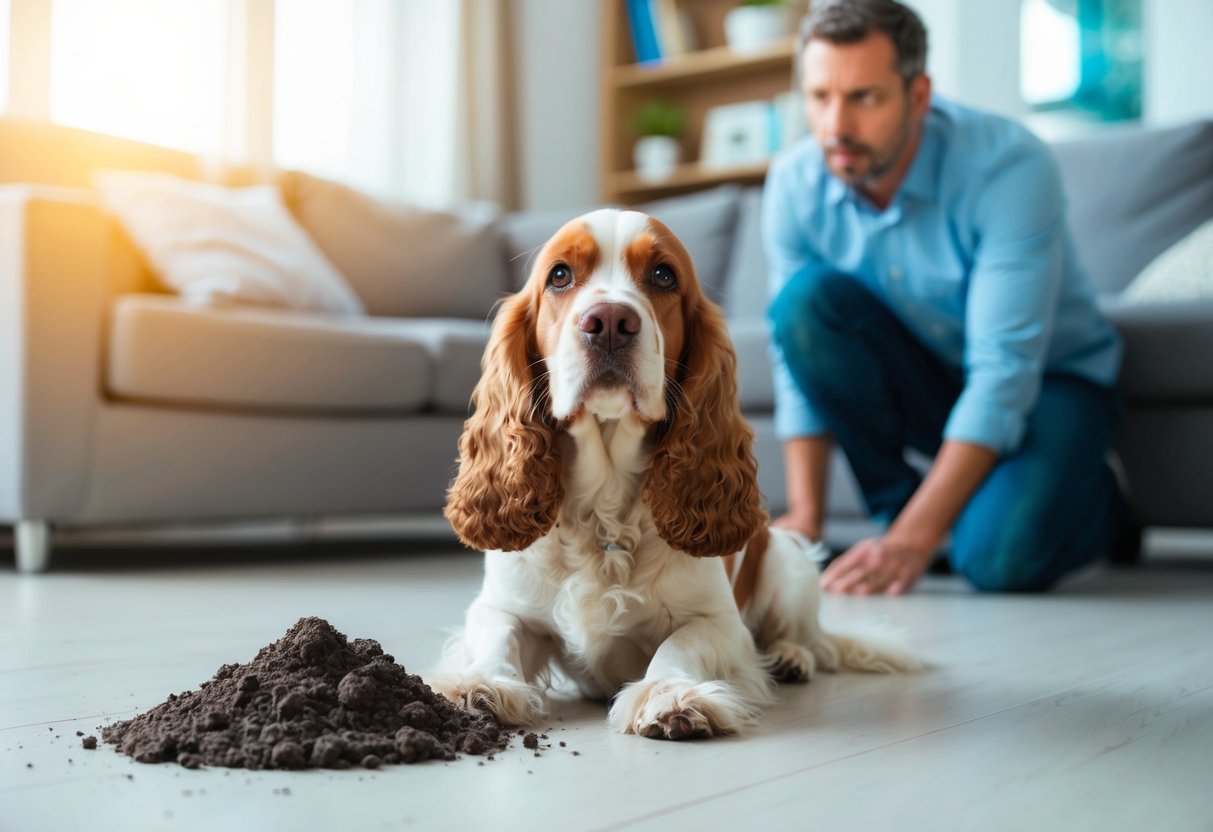
If your Cocker Spaniel is pooping in the house, it could be linked to various health and medical conditions. Common gastrointestinal issues, allergies, and parasites might contribute to this problem. Let’s look at these aspects more closely.
Common Gastrointestinal Problems
Gastrointestinal problems are often the first things to consider when your dog has bathroom issues. Conditions like diarrhea can lead to accidents inside the house.
Common causes of diarrhea in Cocker Spaniels include dietary changes, spoiled food, or stress. If your dog is eating something unusual or has a sensitive stomach, it may disrupt their routine.
Monitor your pet for other signs like vomiting or lethargy. If diarrhea persists for more than a day or two, it’s essential to consult your veterinarian. They can help determine whether a dietary change or medication is needed.
Identifying Inflammatory Bowel Disease and Food Allergies
Inflammatory bowel disease (IBD) can cause chronic gastrointestinal problems in dogs. If your Cocker Spaniel has frequent pooping issues, IBD could be a reason. Look for symptoms like weight loss, vomiting, or excessive gas.
Food allergies are another common culprit that can lead to gastrointestinal distress. Some dogs are sensitive to certain ingredients, like grains or specific proteins. Keeping a food diary can help you track your dog’s reactions to various foods.
If you suspect IBD or food allergies, your veterinarian might suggest tests or dietary trials to pinpoint the issue. Treatment often includes a special diet or medication to manage symptoms.
Dealing with Parasites and Infections
Intestinal parasites like worms are serious concerns that can cause frequent pooping in the house. Common parasites include roundworms, hookworms, and tapeworms. Signs may include weight loss or a bloated abdomen.
Bacterial infections can also affect your dog’s gastrointestinal health. Animals can pick up harmful bacteria from contaminated food or environments. If your Cocker Spaniel is experiencing diarrhea or vomiting, it’s crucial to seek veterinary help.
Routine fecal exams can help identify parasites early. Your vet may recommend preventive medications to keep your Cocker Spaniel healthy and avoid ongoing issues. Regular check-ups are important for catching these problems in time.
Training and Routine Management

Managing your cocker spaniel’s behavior through effective training and a structured routine is essential. With the right approach, you can reduce accidents in the house and encourage good habits.
Housetraining and Potty Routine Fundamentals
Housetraining is key to preventing indoor accidents. Start by establishing a clear potty routine for your cocker spaniel. Take them outside at regular intervals, especially after meals, playtime, or naps.
Be consistent with the timing. Use phrases like “go potty” when you take them outside so they can associate the command with the action. Praise your dog immediately after they potty outside to reinforce positive behavior.
If accidents happen, clean the area thoroughly to remove any lingering odors. This prevents your dog from being attracted to the same spot again. Patience and consistency are crucial during this training phase.
The Role of Crate Training and Positive Reinforcement
Crate training can be very effective for housetraining. A crate gives your cocker spaniel a safe space and encourages them to hold it until you let them out. Choose a crate that’s just big enough for them to stand, turn around, and lie down comfortably.
When using the crate, reward your dog with treats and praise for entering willingly. Positive reinforcement helps your dog feel more secure and teaches them that being in the crate is a good thing.
Always take your dog out right after they leave the crate. This reinforces the idea that going outside is what they should do when they wake up or spend time in their crate.
Adjusting Your Dog’s Daily Routine
Your cocker spaniel’s daily routine plays a big part in preventing accidents. Ensure they have regular feeding times, as this helps regulate their potty schedule.
Incorporate plenty of exercise and playtime into their day. A tired dog is usually less likely to act out or have accidents.
As you adjust their routine, be observant of their habits. If you notice any signs that they need to go, like sniffing or pacing, take them outside immediately. Adjustments might be necessary to fit their needs better, especially as they grow and change.
When to Consult a Professional
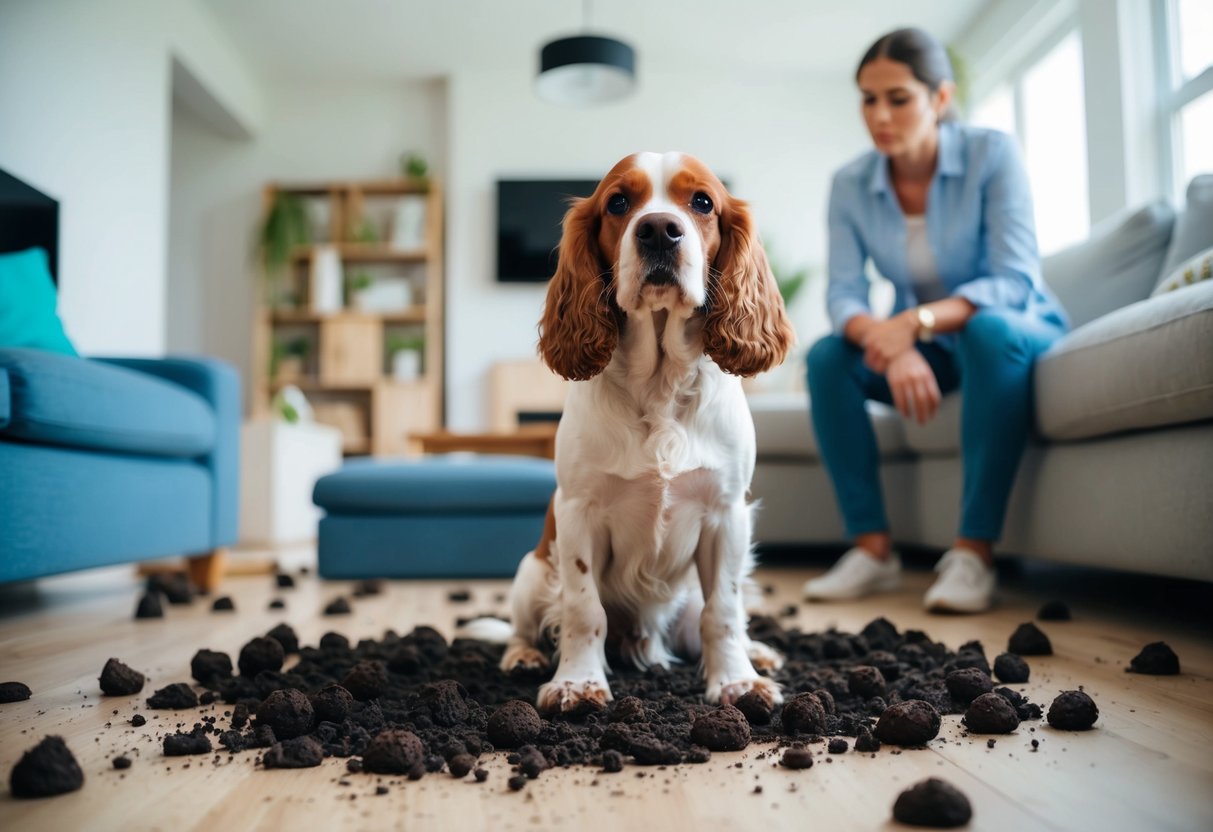
If your cocker spaniel keeps pooping in the house, it’s essential to identify whether the issue is behavioral or medical. Knowing when to seek help can save you time and stress.
Behavioral Issues and Professional Dog Behaviorist
Sometimes, pooping in the house may stem from behavioral issues. One common cause is separation anxiety. If your dog is anxious when left alone, they may have accidents indoors. A professional dog behaviorist can provide strategies to help manage this anxiety.
Additionally, your dog might not fully grasp the house-training process. A behaviorist can help reinforce training techniques that encourage your dog to go outside. Watch for signals your dog shows before an accident. Being attentive can improve your chances of preventing accidents in the house.
Medical Issues and Veterinary Care
If your cocker spaniel shows symptoms like straining or unusual behavior, it’s time to consult a veterinarian. Medical issues could be the cause if behavior adjustments don’t work. Conditions such as incontinence or even degenerative myelopathy can lead to frequent accidents.
A vet can perform tests to rule out any underlying medical conditions. This is especially important if your previously house-trained dog suddenly starts having accidents. Addressing medical issues early can improve your dog’s quality of life. Don’t hesitate to seek help if you notice signs of illness.


