
The Arctic fox is a fascinating creature that has a remarkable way of adapting to its environment. It turns white in the winter to provide excellent camouflage in the snowy landscape. This change helps you understand how animals survive in extreme conditions. The white fur not only aids in hiding from predators but also plays a role in keeping the fox warm.
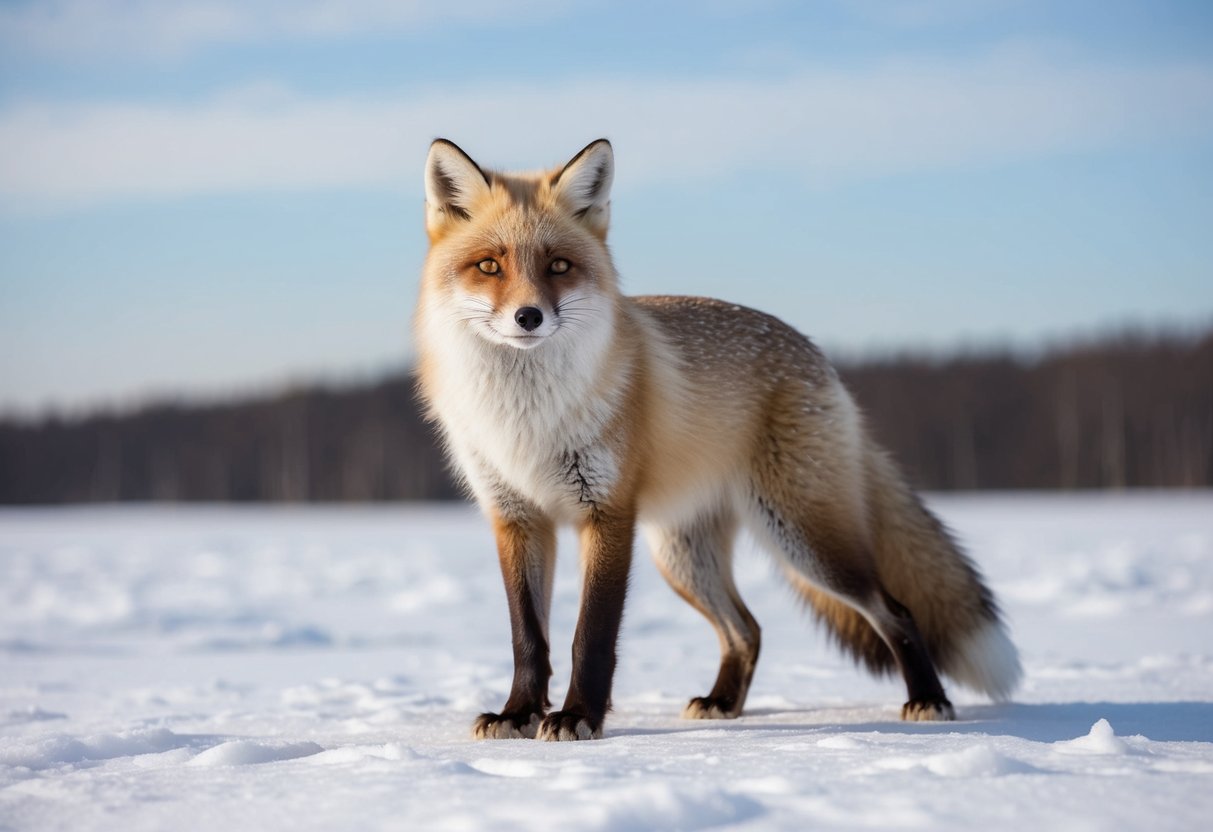
As winter blankets the Arctic, the transformation of the Arctic fox is an impressive sight. The white coat offers a perfect disguise, allowing the fox to blend seamlessly into its surroundings. When you think about how such adaptations help the fox thrive in harsh climates, it sparks curiosity about other survival strategies in the animal kingdom.
Delving into the Arctic fox’s seasonal changes reveals much about nature’s adaptability. As you read on, you’ll discover more about the fascinating relationship between the fox and its frigid habitat, and how that impacts its survival.
Adaptations for Survival in the Tundra
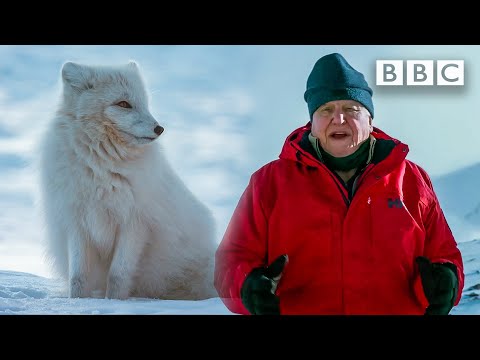
The Arctic fox, or Vulpes lagopus, has unique adaptations that help it thrive in the harsh conditions of the tundra. These adaptations include seasonal camouflage and insulation, which are crucial for staying warm and hidden from predators and prey.
Winter Camouflage and Molting Process
In winter, the Arctic fox transforms its coat from brown or gray to a striking white fur. This change provides excellent camouflage against the snow, helping you blend into the icy landscape. The process called molting allows the fox to shed its old fur and grow a new, thick winter coat.
The timing of this molting is essential. As temperatures drop, the Arctic fox loses its summer fur and develops a soft, dense undercoat. The outer layer consists of longer guard hairs that repel water and wind, keeping you warm and dry. This seasonal camouflage is vital for hunting small animals and remaining unseen by larger predators.
Thermoregulation and Insulation
The thick fur of the Arctic fox plays a significant role in thermoregulation. Your winter coat provides excellent insulation, keeping body heat trapped. Underneath, the soft undercoat adds an extra layer of warmth.
Additionally, the fur on the paws is covered with small hairs, which not only offer insulation but also protect against frostbite. When temperatures plummet, the Arctic fox curls up, tucking its nose into its fur, creating a warm area to preserve body heat. This ability to regulate temperature is crucial for survival in the frigid conditions of the tundra.
Hunting and Dietary Behavior
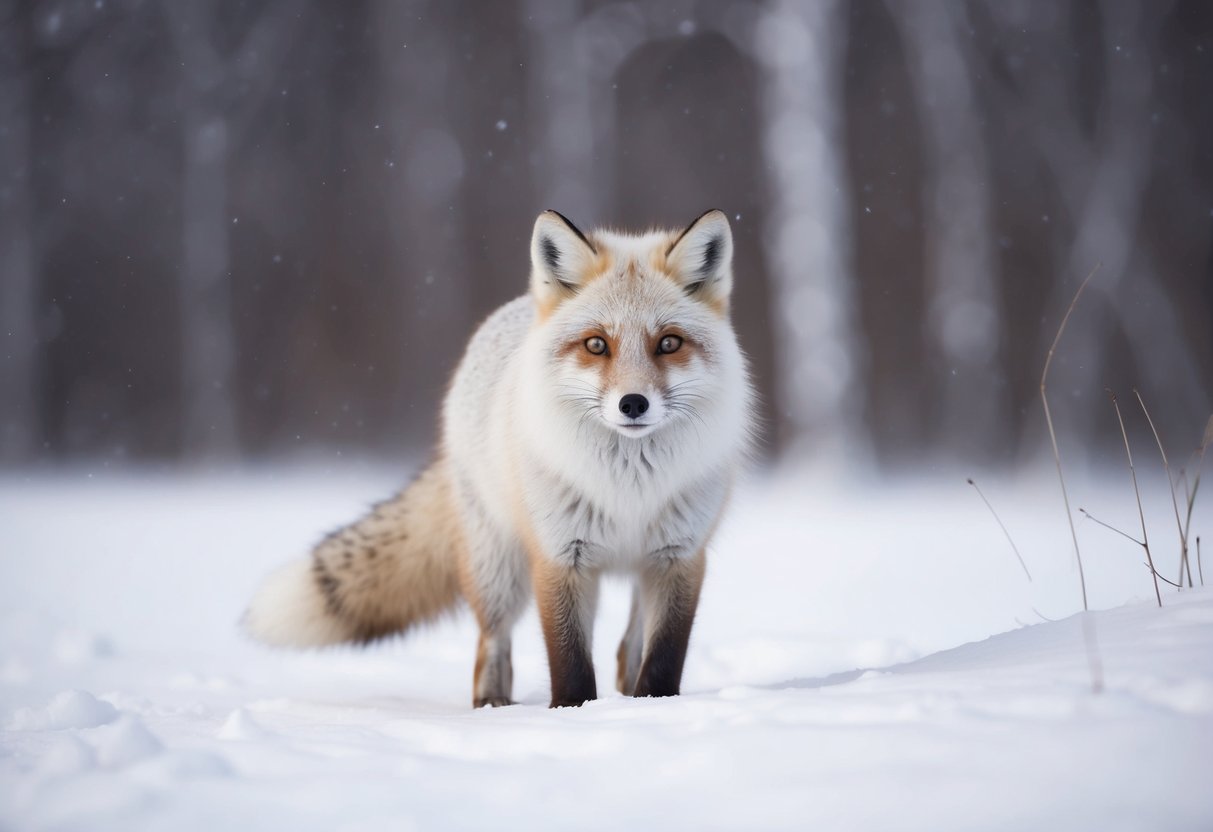
Arctic foxes have unique hunting habits that help them survive in their harsh environment. Their diet mainly consists of small mammals, and they adjust their hunting techniques with the changing seasons.
Predator and Prey Dynamics
Your understanding of predator and prey dynamics helps you appreciate how Arctic foxes thrive. In winter, these foxes primarily hunt lemmings, which are small rodents that often blend into the snow. This camouflage makes lemmings easier targets.
The arctic fox uses a technique called “stalking” where it quietly moves in on its prey. They can even hear lemmings under the snow, allowing them to pounce effectively. The relationship between the fox and lemmings showcases the balance of nature in this icy habitat.
Dietary Adjustments Across Seasons
As seasons change, so do your dietary habits if you were an Arctic fox. In winter, snow cover limits access to food, so the fox relies heavily on lemmings and other small mammals, like voles.
In summer, the environment shifts, leading to an increase in available prey. You might see them hunting birds or scavenging for leftovers. The ability to adapt their diet ensures that Arctic foxes maintain a steady food supply, which is crucial for survival in extreme conditions. This adaptability plays a vital role in their hunting success throughout the year.
Environmental and Genomic Influences
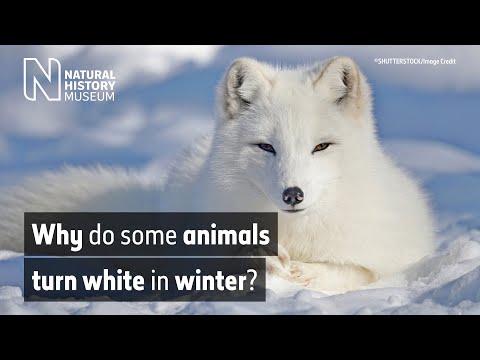
The changing environment and underlying genetics both play a key role in the fur color change of Arctic foxes. Understanding these influences helps you appreciate how this species adapts to its surroundings.
Climate Change Effect
Climate change impacts the Arctic environment, affecting the seasons and, consequently, the snow cover. As winters become shorter and less severe, the need for white fur diminishes. This can lead to issues with camouflage, making Arctic foxes more visible to predators and prey.
Changes in temperature can also affect hormonal adjustments in the foxes, which are crucial for fur color transformation. When exposed to stable, colder temperatures, hormonal signals trigger pigment production. If winters are warmer, this process may not occur as effectively, disrupting the natural cycle of color change.
Genetics and Color Variation
Genetics plays a significant role in the fur color change of Arctic foxes. The primary pigments responsible for color are eumelanin and phaeomelanin. Eumelanin gives black and brown hues, while phaeomelanin produces lighter colors.
Research shows that certain gene combinations influence the fur color. Foxes that are heterozygous at the color locus may have better survival rates compared to those that are homozygous. This variation ensures natural selection favors individuals best suited to their environment and conditions.
This genetic diversity is essential for the population’s adaptability in a changing world.


