
Have you ever wondered why Bad Ape, a character from the “Planet of the Apes” franchise, has no hair? The answer lies in a mutation that occurred during evolution, which led humans and certain apes, like Bad Ape, to lose their body hair. This unique trait sets them apart from other primates who are still covered in fur.
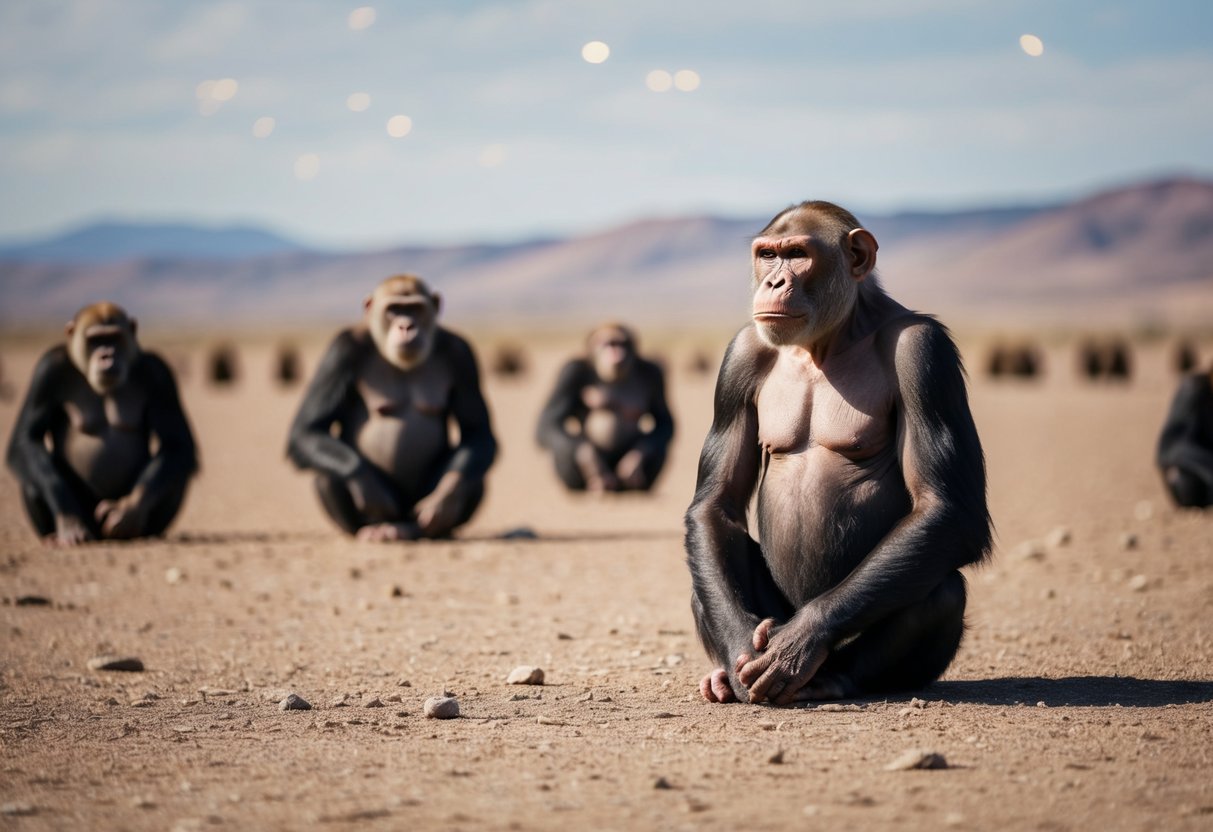
It’s intriguing to think about how these changes in hair patterns have helped shape the behaviors and adaptations of different species. In this exploration, you will discover the reasons behind hairlessness and its significance in the animal kingdom. You’ll also learn about its effects on communication and social interactions among these fascinating creatures.
Join us as we dive deeper into the topic, unravel the mysteries of evolutionary changes, and explore what it means to be a “bad ape” in a world full of fur.
Understanding Hairlessness in Evolution
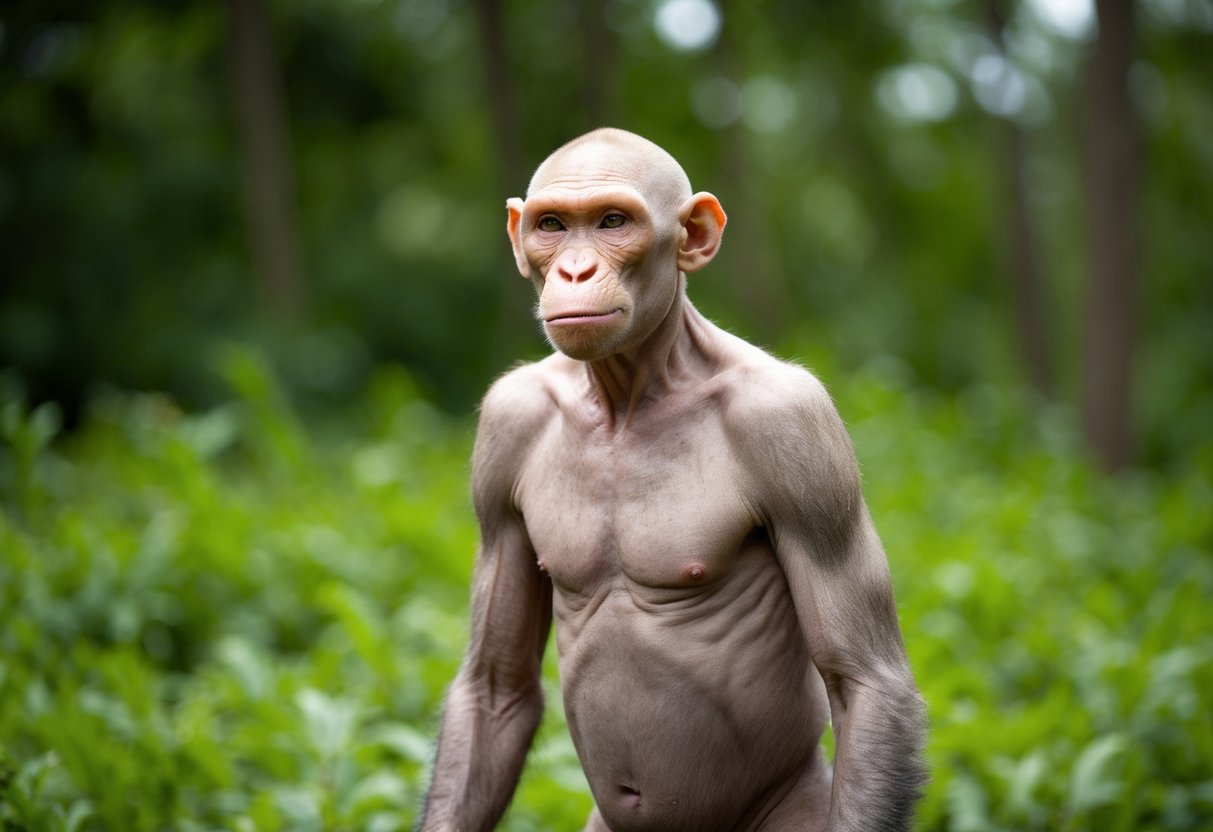
Hairlessness in humans and other primates is a fascinating topic. It ties back to evolution and the choices made by our ancestors.
Darwin’s theory of evolution suggests that traits can change over time to improve survival. In the case of humans, losing body hair may have helped with temperature regulation. Having less hair makes it easier to sweat, keeping you cool in hot environments.
The fossil record shows that earlier hominins, like Homo erectus, had body hair. As evolution progressed, our ancestors became more like what we call “naked apes.” This shift likely had to do with changing lifestyles.
You may wonder why some animals still have thick fur while humans do not. Other primates have maintained their hair for warmth and protection. In contrast, humans adapted to different environments where hair became less necessary.
Cultural factors also play a role in hairlessness today. Smooth skin can be viewed as a signal of health and beauty. This perspective could explain why people often remove body hair.
The Role of Environment and Adaptation
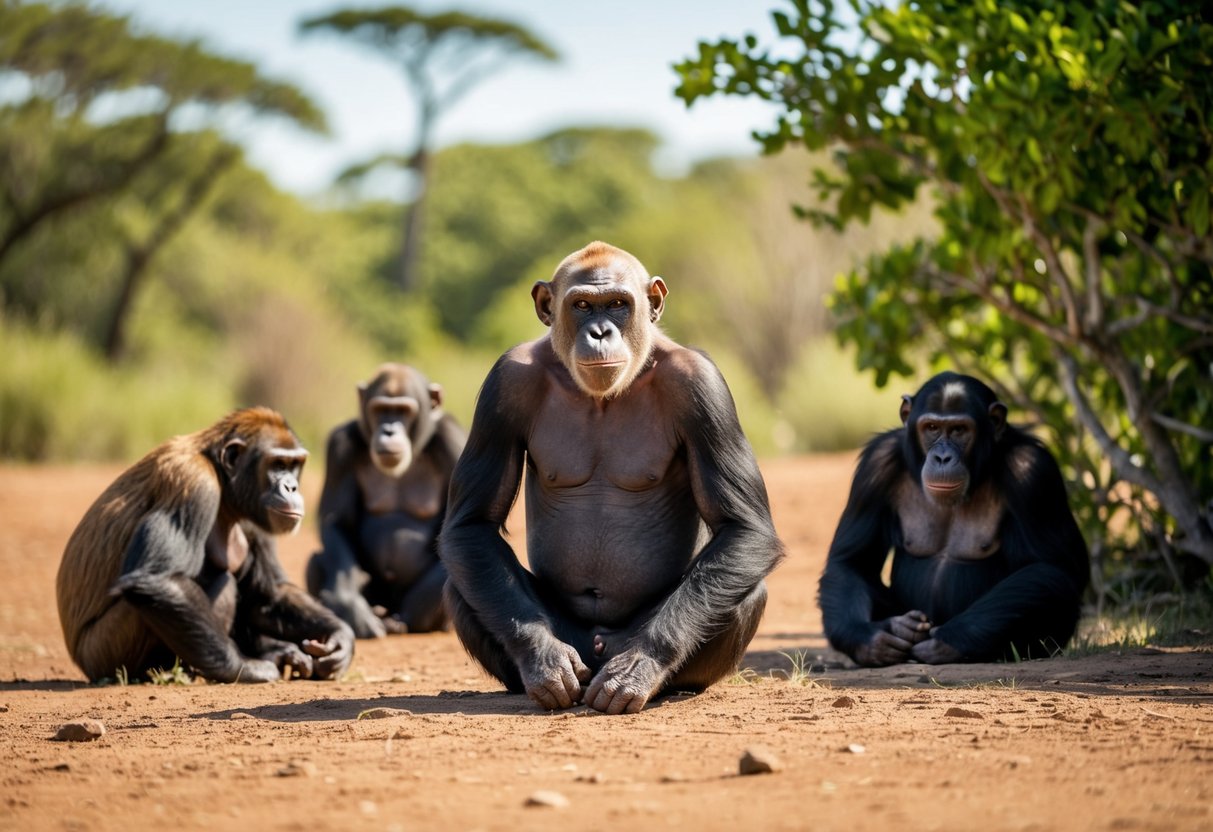
Your environment plays a significant role in how species adapt. For early humans, the African savanna presented unique challenges that required effective solutions. The adaptations that developed helped with temperature regulation and survival.
The African Savannah Hypothesis
The African savanna, with its hot climate, posed a risk of overheating. Early humans faced the challenge of staying cool while hunting and gathering. Body hair can trap heat, making it harder to cool down.
Without fur, your skin acts as a better canvas for sweating. Perspiration from the skin evaporates more easily, helping you regulate body temperature. This ability to cool down effectively likely improved survival and supported more active lifestyles.
In comparison to other animals, hairlessness may have offered a distinct advantage in the warm environment of the African savanna. Without excess fur, your body could better cope with extreme heat.
Physiological Benefits of Being Hairless
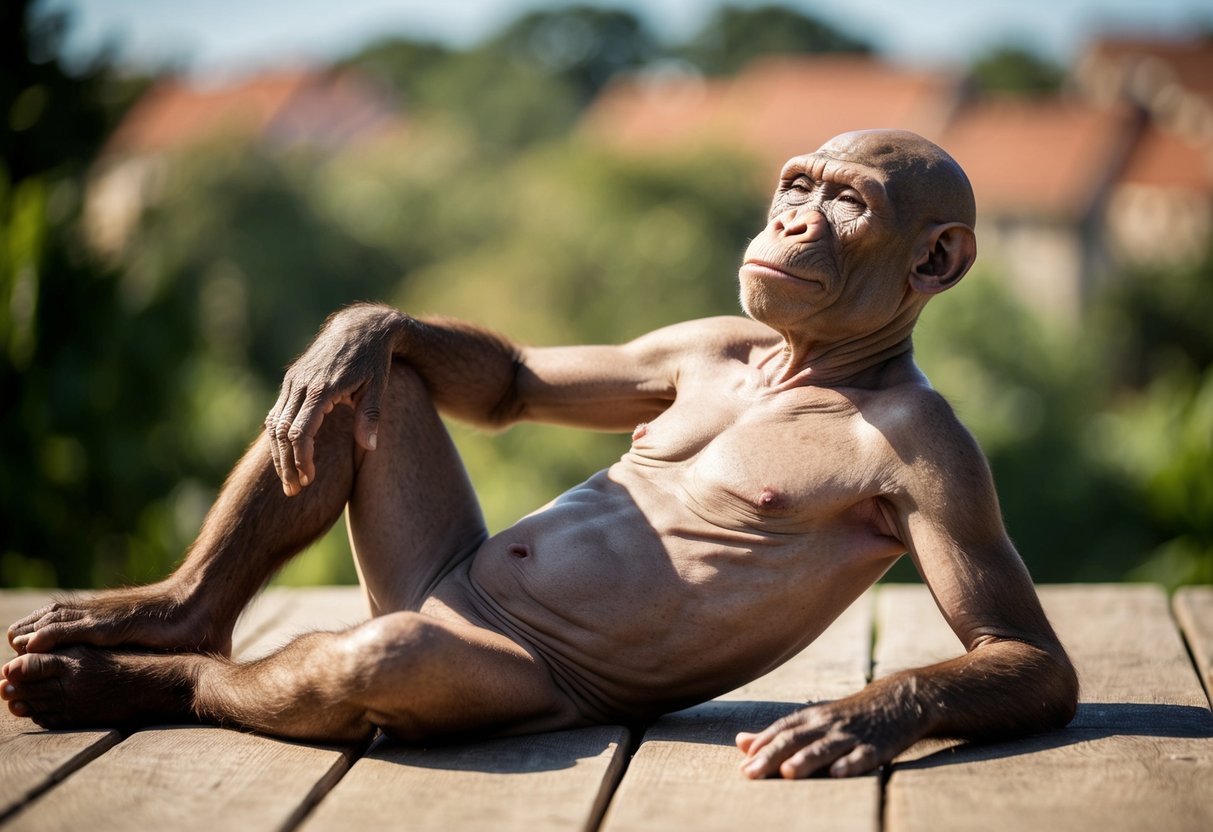
Hairlessness in humans provides distinct physiological advantages that support survival and health. These benefits include better temperature regulation and a means of reducing disease risks from parasites. Let’s explore these important aspects.
Thermoregulation and Cooling Mechanisms
Without dense body hair, your naked skin can cool down more efficiently. This is especially important during hot weather or when engaging in physical activity. The absence of heavy fur allows sweat to evaporate easily, which helps cool your body.
Additionally, having less body hair reduces insulation. This means you can maintain a lower body temperature. This adaptability may have played a role in the evolution of humans as they migrated to warmer climates.
In fact, humans have areas with vellus hair, which are fine and short. These tiny hairs can help with the sensing of air currents, promoting better cooling. So, your hairlessness is more than just a look; it’s a smart adaptation for managing heat.
Disease Prevention through Less Hair
Being hairless also decreases your chances of encountering ectoparasites, like lice and bloodsucking insects. With less body hair, there are fewer places for these pests to hide or thrive. This can lead to a lower risk of skin infections or diseases caused by parasites.
Genetic changes have made humans more prone to hair loss while enhancing immune responses. This means that your body is better equipped to fight off infections that might come from bites or skin contact with these pests.
Moreover, the absence of dense body hair limits the environments where these parasites can flourish. By reducing interactions with these harmful creatures, you can enjoy a healthier life. Hairlessness offers significant protections, making it an evolutionary advantage worth noting.
Social and Sexual Factors in Hair Evolution
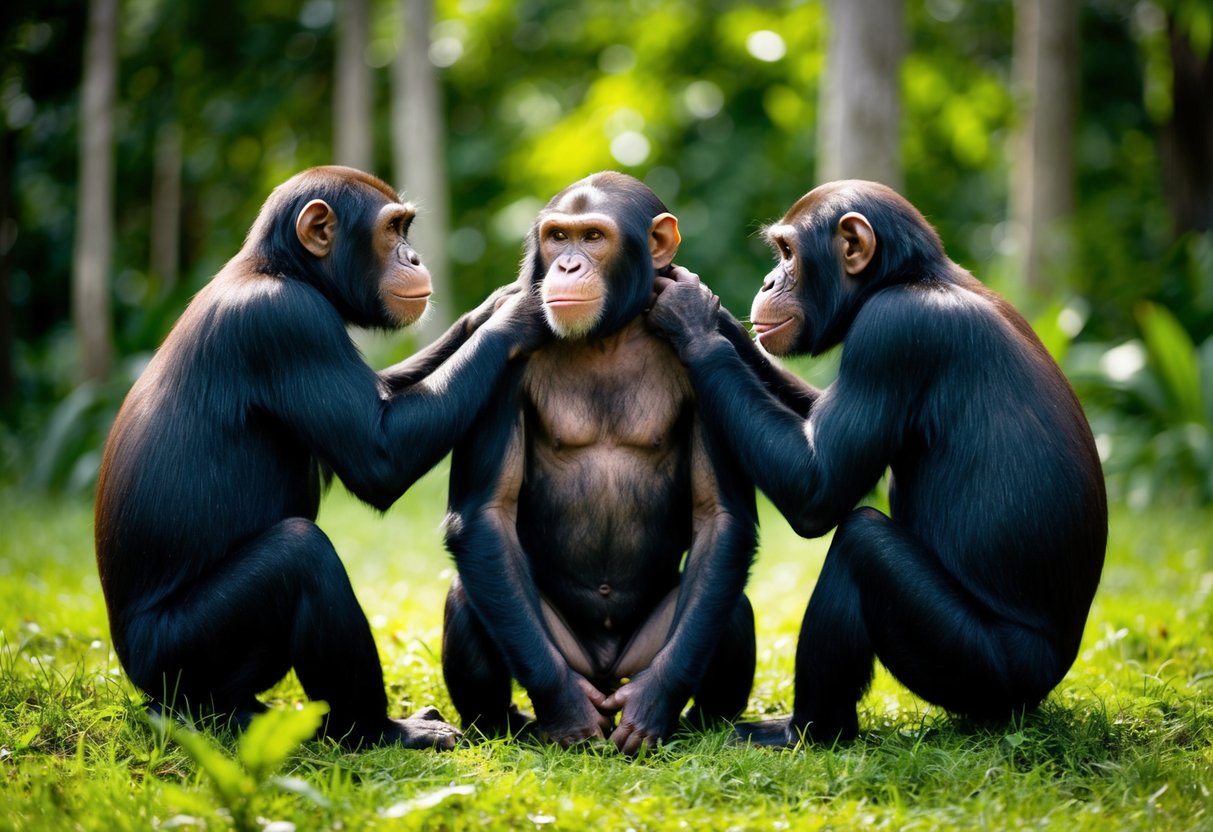
Hair patterns played a significant role in how early humans interacted socially and attracted mates. The loss of body hair led to changes in communication methods and introduced new dynamics in sexual selection.
Social Communication and Hair Patterns
Hairlessness changed how you and your ancestors communicated. Without a dense layer of fur, skin became more visible and sensitive. This visibility allowed for more direct social signals, helping express emotions and social status.
Fine hairs, often referred to as peach fuzz, still cover your skin. They enhance sensitivity to touch, strengthening social bonding. This change is crucial since emotional and social connections are essential for building relationships. The visibility of skin also contributed to social status, similar to how old world primates use fur to signal dominance.
Sexual Selection and Human Body Hair
Sexual selection heavily influenced human body hair evolution. Smooth skin may symbolize health and attract mates, just like a peacock’s tail showcases fitness.
For example, women often have less body hair and may invest more effort in hair removal. This preference for smooth skin can be traced back to juvenile traits.
These traits—like less body hair—can signal youthfulness and fertility, making individuals more appealing as potential partners. Trichromatic color vision also plays a role. It helps you notice skin tone variations and other visual cues that support attraction during mating displays.


