
You might think a lion’s scream during mating sounds like fear, but it actually serves a clear job in the wild. Lions scream to communicate with potential mates and to warn rivals, helping them find partners or protect their breeding chances.

As you read on, you’ll see how that scream fits into courtship, what it tells other lions, and how it’s not quite the same as other calls like growls or purrs. The next sections dig into the mating scream, its role in territory and courtship, and the other vocal sounds lions use—so you can spot the difference in the wild or even just on video.
The Mating Scream: Why Mountain Lions Scream During Courtship

The mating scream helps mountain lions find mates across big, empty territories. It signals their reproductive state, readiness, and sometimes even a bit of aggression.
Let’s look at how the scream works, why it can travel so far, and how males and females use different sounds during courtship.
Purpose of the Scream in Mating
Female mountain lions usually scream to let others know they’re in estrus and ready to mate. The scream is loud and high-pitched, so it carries across valleys and forests.
You can hear these calls from a long way off, which is important because pumas (Puma concolor) live alone and spread out.
The scream gives males a location cue. When a male hears a female’s call, he can travel to her and start the courtship process.
Sometimes, several males show up because of the scream. That can lead to quick chases or displays of dominance before mating happens.
How Screams Help Solitary Cats Find Mates
When sight and smell don’t work over long distances, mountain lions rely on sound. Their scream cuts through dense habitat, especially at dawn and dusk when they’re most active.
The scream is loud, sudden, and really carries—way farther than softer noises.
If you hear a scream, it usually points to a mating chance, not a threat nearby. For a solitary cougar, this signal saves time searching and boosts the odds of finding a partner.
The call also helps lions avoid risky run-ins. They can move toward or away from the sound, depending on what they want.
Differences Between Male and Female Vocalizations
Females generally make the most piercing, caterwaul-like screams when they’re in estrus. These screams are higher in pitch and might repeat for hours or even days.
Honestly, they sound a bit like a human wail—no wonder people find the mountain lion’s scream eerie.
Males vocalize too, but their sounds play different roles. Male screams are lower, less common, and usually tied to territory or competition.
During courtship, males sometimes mix in growls or chuffing to show dominance. You’ll notice males use calls to warn rivals or coordinate with a female, not to advertise readiness like females do.
Quick reference:
- Female: high, repeated, mate advertisement.
- Male: lower, rarer, territorial or competitive.
Beyond the Scream: Other Mountain Lion Vocalizations and Their Meanings
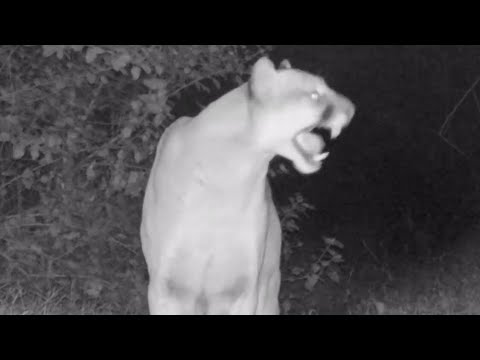
You’ll hear more than just screams from a mountain lion. They also make hisses, growls, chirps, whistles, purrs, and meows.
Each sound shares something different—warning, family contact, or just a calm moment.
Hisses and Growls: Signs of Warning
When a catamount hisses or growls, it’s telling you to back off. Hisses are short and sharp, usually with flattened ears and a curled lip.
If you surprise a mountain lion near its den, you might hear a hiss.
Growls are deeper and last longer than hisses. A male panther defending his territory or fighting a rival will growl and snarl to show strength.
Growls can turn into aggressive displays. If you hear one, back away slowly—don’t turn your back or run.
Both hisses and growls show the cat feels stressed. If you’re near cubs, the mother growls louder to protect them.
Pay attention to body language: raised hair, a direct stare, and pacing mean the cat’s unsettled. That’s your cue to leave, calmly.
Chirping and Whistling: Cub Communication
Mountain lion cubs chirp and whistle to keep in touch with their mom. These high, bird-like sounds help a mother find her kittens in thick brush after a kill or when she’s moving them between dens.
You might hear soft chirps during the day if the cubs get restless.
Chirps are short and repeated. Whistles are clearer and help call attention from farther away.
Both sounds keep the family together without alerting big predators. As cubs grow, their chirps turn into stronger calls for play or begging for food.
If you hear these sounds, you’re probably near a den. Give the area space—moms return to feed and protect their young.
Quietly watching from a distance keeps everyone safer and avoids stressing the family.
Purring and Meowing: Expressing Contentment
A mountain lion’s purr sounds much softer than its scream. It usually means the animal feels calm or wants to bond.
You might catch a panther purring after a meal. Sometimes, a mother purrs while grooming her cubs.
Family members often share these gentle sounds during slow, relaxed moments. It’s a kind of quiet communication.
Meows don’t happen as often, but they’re still part of the mix. Adult mountain lions sometimes let out quick mews to catch someone’s attention—usually between a mom and her kittens.
Kittens sound different. Their meows come out higher pitched, almost pleading, asking for food or comfort.
These sounds usually mean the mountain lion isn’t feeling threatened. If you hear purring close by, the animal’s probably relaxed.
Still, it’s smart to give them space. Just because they’re content doesn’t mean they’re tame.


