
Ever spot dead bees on the ground and wonder if something’s up? Seeing dead bees in your yard or garden happens pretty often, honestly. Usually, it’s nothing alarming—old age, chilly nights, or normal colony cycles can explain it. But sometimes, it hints at stress on the hive or maybe pesticide exposure, so it’s smart to notice how many you’re finding and where.
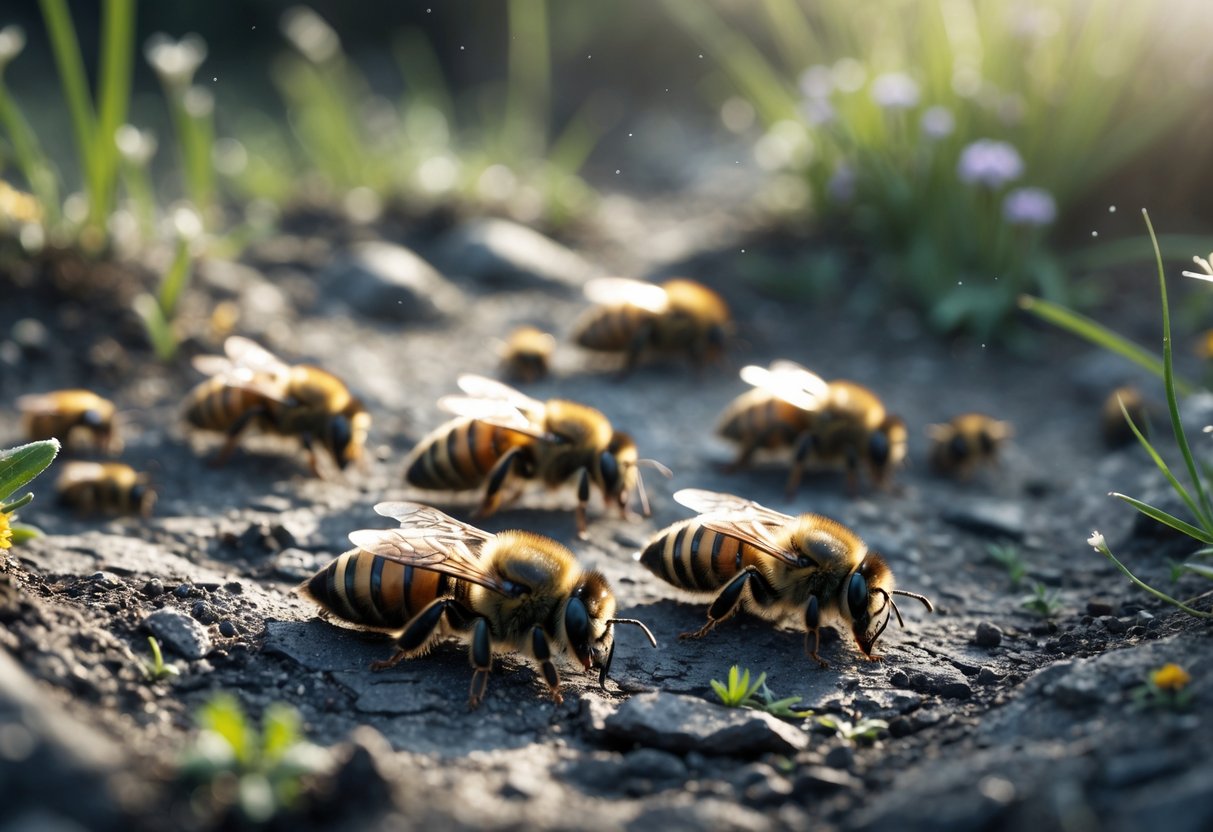
Dead bees show up outside for all sorts of reasons—weather, disease, or even after a big rain. If you don’t see a lot of them or weird behavior from the ones still buzzing around, you probably don’t need to panic.
Still, knowing why bees die and end up on the ground can help you look after your garden or hives a little better.
Want to know what to check for and when it matters? Let’s look at the usual reasons bees die outside the hive and what you might do about it.
You’ll find some tips to spot problems early and keep your bees safe. If you’re curious for more, this guide about finding dead bees is worth a look.
Key Reasons for Finding Dead Bees on the Ground
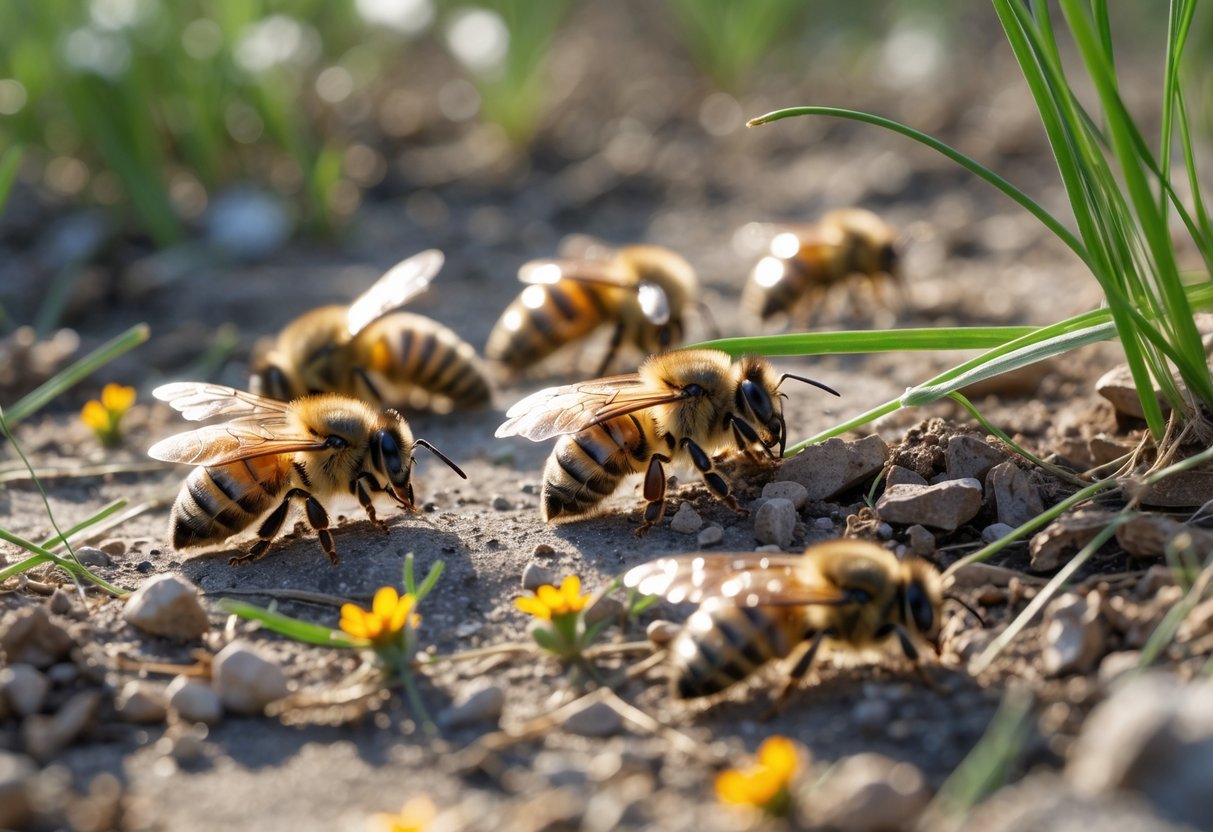
When you see dead bees lying around, a few common things could be going on. Some reasons are just part of bee life, but other times outside threats play a role.
Figuring out which is which helps you know if you should step in.
Normal Bee Life Cycle and Natural Mortality
Bees don’t live long—just a few weeks or months, usually. After days of collecting nectar and pollen, worker bees wear out and die.
You’ll often find some dead bees outside the hive or around your yard. That’s totally normal.
This natural turnover actually keeps the colony healthy by making space for younger bees. A few dead bees here and there isn’t a problem.
Healthy colonies make thousands of new bees every day, so losing some is just part of the process.
Colony Hygiene Behaviors
Honey bees are neat freaks. When a bee dies inside, workers haul out the body fast to stop disease and pests.
You’ll sometimes spot dead bees near the hive because the workers dumped them there. It might look like a lot, but it means the colony is doing its job.
This cleaning habit protects the whole hive and keeps things running smoothly.
Seeing dead bees outside could just mean the bees are keeping things tidy, not that something’s wrong.
Pesticide and Insecticide Exposure
Pesticides and insecticides can be a real problem for bees. People spray these chemicals on gardens or crops, and if bees land on treated flowers, they can die.
Some pesticides kill bees quickly, while others just weaken them so they can’t make it back to the hive. If you suddenly find a lot of dead bees, pesticides might be to blame.
Try not to spray chemicals when bees are out foraging. If you think pesticide poisoning happened, report it to local agencies instead of cleaning up right away.
Experts might want to collect samples and check things out.
Environmental Stress and Weather Events
Rough weather can hit bees hard. Cold, rain, or wind keeps them from foraging and can make survival tough.
Heat waves or droughts reduce flowers and food, so bees can starve or get weak.
Sometimes, bad weather means you’ll spot more dead bees near your hive or garden. It’s part of nature, but if you keep seeing lots of them, check if your local plants offer enough food.
Adding more flowers might help.
Common Threats and Contributing Factors to Bee Death

Dead bees on the ground? There are plenty of reasons for that. Pests, disease, and not enough food can all cause bees to die.
You might also notice different types of bees, which could give you a clue about what’s happening.
Varroa Mite Infestations and Diseases
Varroa mites are one of the worst problems for honey bees. These tiny parasites latch onto bees and suck their blood, leaving them weak.
They also spread viruses that cause nasty diseases in the hive. If your hive isn’t doing well, varroa mites could be the reason.
Infested bees often die outside, so finding dead bees near your hive could be a warning sign. You should check your bees for mites regularly and treat them before things get out of hand.
Diseases like American Foulbrood and Nosema can also kill off bees. These illnesses weaken the colony and leave more dead bees behind.
Food Scarcity and Starvation
Sometimes, bees just run out of food. They need pollen and nectar for energy, but if flowers are scarce—maybe because of weather or lost habitat—they can’t survive.
Starving bees get weak and might die while foraging or near the hive. Poor nutrition also makes bees easier targets for diseases and mites.
To help, plant more flowers or offer sugar syrup or pollen substitutes when times are tough.
Distinguishing Between Bee Species
Not every dead bee you find is the same kind. Honey bees are small and golden with stripes. Bumblebees are bigger, fuzzy, and usually black and yellow.
Knowing which bees you’re seeing helps you figure out the cause. Bumblebees, for example, die off naturally after their season ends.
But they also face threats like pesticides and habitat loss. If you see lots of dead bumblebees, those issues might be at play.
Recognizing the species lets you respond the right way. Varroa mites mostly go after honey bees, so dead honey bees could mean you’ve got a mite problem.
Other Factors Affecting Bee Survival
Mites, diseases, and food aren’t the only things that kill bees. Pesticides used in gardens and farms hit them pretty hard.
People spray chemicals to get rid of pests, but these toxins can poison bees, too. It’s rough out there.
Habitat loss creates another huge problem. When natural spaces disappear, bees struggle to find enough food and shelter.
Climate changes mess with bee activity and their food sources. Sometimes, it feels like bees just can’t catch a break.
Other pests, like small hive beetles, threaten bees as well. Plus, bees have to compete with other insects for resources.
If you don’t care for your beehive properly, the colony’s health can drop fast. It’s surprisingly easy to overlook the basics.
If you want more details about varroa mites and the impact of pesticides, check out Why Bees are Dying | Resources | Planet Bee Foundation.


