
Ever wonder why giraffes reach for leaves up in the trees instead of munching grass like so many other plant-eaters? Giraffes stick to leaves because their bodies and feeding tools evolved to reach and strip leaves from tall trees, not to graze at ground level. This shapes what they eat, where they hang out, and even how they avoid danger.

Take a closer look, and you’ll notice their long necks, tough tongues, and unique teeth make tree leaves a way easier and richer meal than grass. Giraffes show strong preferences for certain trees, and those choices shape not just their own lives, but the landscape around them.
Why Giraffes Avoid Eating Grass

Giraffes mostly munch on leaves, shoots, flowers, and fruits from tall trees. Their bodies and digestion work best with that high, leafy food—not with grass at ground level.
Browsing vs. Grazing: Giraffe Feeding Strategies
Giraffes are browsers, not grazers. Browsers pick leaves and shoots from trees and shrubs, especially acacia.
This lets them get to the best parts of the plant, the ones other herbivores can’t reach. By sticking to tree foliage, giraffes dodge competition with antelope and zebras that graze on grass.
A giraffe can feed as high as 6 meters (about 20 feet). That kind of reach means they don’t have to wander far to find food.
They go for tender new leaves, since those have more protein and less fiber than older leaves or most grasses.
Physical Adaptations for Tree Feeding
When a job’s tough, you grab the right tool. Giraffes rely on their bodies.
Their long neck and legs put leaves within easy reach. Bending down to the ground is awkward and just plain inefficient for them.
Their prehensile tongue, which can reach nearly half a meter, wraps around twigs and yanks leaves past sharp acacia thorns. Tough tissue lines their mouth and tongue, protecting them from thorns and rough branches.
Strong lips and special teeth help them strip leaves cleanly, so they don’t end up chewing lots of woody stuff.
Digestive System Specializations
Giraffes have a four-chambered stomach, just like other ruminants. But theirs is built to break down fibrous leaves over time, not for non-stop grazing on low-quality grass.
They swallow leaves, then bring up cud to chew it again and squeeze out more nutrients. Leaves from acacia and Combretum provide dense nutrition, so giraffes don’t need to eat as much bulk as grazers do.
Grass tends to carry more parasites and has more fiber, which would force giraffes to process a lot of low-value material—definitely not ideal for their mixed rumen microbes.
Rare Occasions When Giraffes Eat Grass
Sometimes you might catch a giraffe nibbling grass. They’ll do this when leafy browse is scarce, like during droughts or after fires when new shoots pop up close to the ground.
Giraffes also eat flowers, pods, bark, and even chew bones for minerals. But grass? That’s just a fallback, not a staple.
When they lower their heads to drink or snack on short plants, they need to spread their legs wide to reach the ground safely and keep their balance. It looks a bit awkward, honestly.
Trees and Plants That Shape the Giraffe Diet
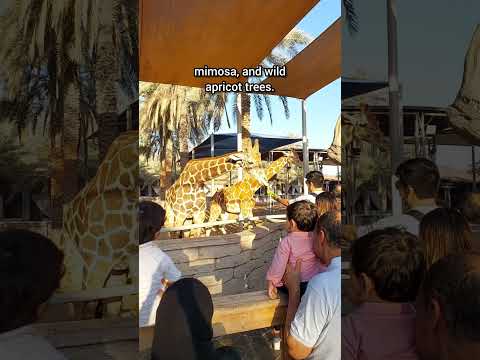
Giraffes feed on a pretty small set of tree and shrub types that give them just the right mix of water, protein, and minerals. Some plants supply key nutrients, while thorny defenses make feeding a bit more challenging. Sometimes, giraffes even chew bones—who knew?
Importance of Acacia, Vachellia, and Senegalia Species
Acacia-group trees (now split into Vachellia and Senegalia) are the backbone of many giraffe diets across Africa. These trees grow tall and keep their leaves and new shoots high in the canopy, right where giraffes can reach.
New acacia shoots are especially rich in protein, and young leaves have more moisture than older ones. Thorns and tannins on these trees scare off most other herbivores.
Giraffes use their long tongues and tough mouths to strip leaves, thorns and all. In places where Vachellia and Senegalia thrive, giraffes can get most of their daily nutrients from these trees alone.
Other Key Plants: Terminalia and Commiphora
Terminalia and Commiphora species add some variety to the giraffe menu. Terminalia trees offer broad, nutrient-rich leaves and the occasional fruit.
You’ll spot Terminalia in wetter savanna patches, where giraffes browse lower and mid-level foliage. Commiphora shrubs and small trees provide resinous leaves and bark, which contain different minerals and secondary compounds.
Giraffes browse Commiphora in drier woodlands; its leaves can even supply some moisture during dry spells. Along with acacia-types, Terminalia and Commiphora help giraffes balance protein, minerals, and water across the year.
Role of Acacia Leaves in Nutrition
Acacia leaves give giraffes protein, carbohydrates, and water—pretty valuable stuff. Young acacia leaves and shoots are high in crude protein and much easier to digest than old, fibrous leaves.
These leaves also contain minerals like calcium and phosphorus, which support growth and lactation. Tannins in acacia do make them a bit harder to digest, but giraffes get around this by picking young shoots and ruminating to break down tough fibers.
Honestly, acacia leaves are like a concentrated, high-quality snack, and giraffes make a beeline for them whenever they can—especially during the wet season when new growth pops up everywhere.
Osteophagy and Unusual Dietary Behaviors
When plants don’t provide enough minerals, giraffes sometimes chew on bones—a habit called osteophagy. You’ll spot giraffes gnawing on carcass bones or picking up big bones near waterholes.
They’re not after calories; they’re looking for extra calcium and phosphorus that woody plants just can’t supply. Giraffes do this more often during dry seasons or when the soil doesn’t have the minerals they need.
It’s a practical move, really. Giraffes mix up their plant diet—things like acacia and Terminalia—and add in these rare bone-chewing moments to cover their nutritional bases.


