
Ever watched a giraffe stretch its neck to reach some leaves and thought about why these giants sometimes just chill near people? Giraffes, with their wild spots and towering legs, don’t always keep their distance. Sometimes, they get curious—especially if there’s food around or if they’ve gotten used to gentle, steady care from humans.
Giraffes usually warm up to people when there’s food, a familiar routine, or just a calm vibe that doesn’t spook them.

So, what’s behind this behavior? Let’s dig into how their social habits, sharp senses, and sheer height shape the way they react to us.
We’ll check out how wild giraffes act compared to those raised around people. Plus, you’ll get a feel for how your own actions can make encounters with giraffes safer—and maybe even a little magical.
Giraffe Behavior Towards Humans

Giraffes might come across as calm, or they might seem a bit wary. Their reaction changes depending on if they know you, where you are, and how you act.
Are Giraffes Friendly?
Giraffes usually look pretty gentle. They move at an easy pace and don’t rush up to people.
You might spot a relaxed giraffe at a zoo or reserve, just hanging out and maybe even taking snacks from a keeper’s hand.
But let’s not forget—they’re still wild at heart. If you startle one, it can kick with a force that would make you think twice, or swing its neck like it’s in a wrestling match.
Move too fast, reach out without warning, or crowd them, and they’ll likely back off, run, or get defensive.
Let the giraffe set the pace when you meet one. Go slow, keep your movements easy, and if you’re in a zoo or park, follow the staff’s lead.
That way, you’re less likely to make the giraffe nervous.
Wild Giraffes and Human Encounters
Wild giraffes mostly keep away from people. You’ll see them munching treetops or gliding through the savanna, usually checking you out from a distance.
Sometimes, habitat loss pushes giraffes closer to villages or farms. When they wander in looking for food, they might end up eating crops, which can cause problems.
Feeding wild giraffes isn’t a good idea. It messes with their diet and makes them more likely to come back to people’s land.
If you bump into a wild giraffe on foot, give it plenty of room and a way out. Back off slowly and keep your cool.
If you’re driving, slow down near giraffes. A sudden car can freak them out.
Differences in Behavior: Wild vs. Captive Giraffes
Giraffes in zoos or sanctuaries usually act more chill around people. You might get close, take part in a feeding, or watch them follow their caregivers’ cues.
Familiarity and training make the difference here. Caregivers give them food, check their health, and offer safe activities.
Captive giraffes might seem friendlier, but they’re not pets. They still neck-fight and kick if they feel like it.
No matter where you are, treat giraffes with respect. Follow zoo rules and listen to staff.
In the wild, keep your distance and never try to touch or feed them. For more about their interactions and conservation, check out Save Giraffes Now.
Interactions and Communication Between Giraffes and People
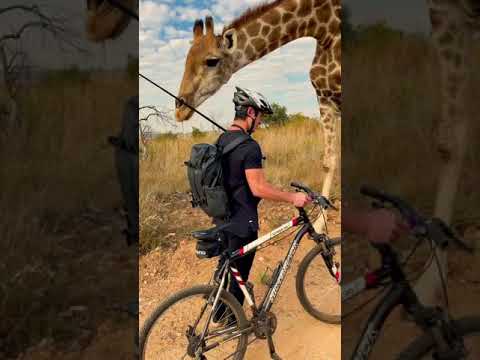
Giraffes can get curious, but they don’t drop their guard. You’ll notice slow, careful movements and quiet signals that show how they’re feeling.
Interacting With Giraffes: Best Practices
If you want to approach a giraffe, do it slowly and stay low. Quick moves or loud sounds can spook them.
Keep your hands where they can see them, and don’t reach for the head or neck suddenly.
Watch their body language. If their tail is relaxed and they’re chewing, that’s a good sign. Stiff legs, a high head, or snorting means they’re tense.
Stand a bit to the side so you don’t block their view or make them feel trapped.
Talk in a soft, steady voice. Don’t crowd them; one or two people is plenty.
If a giraffe lowers its head, let it sniff your hand first. Hold your hand out, palm up, and don’t move it.
Never try to ride, grab, or touch sensitive spots like the face, throat, or legs.
Feeding Giraffes in Zoos and Reserves
Only feed giraffes when staff say it’s okay, and stick to the food they provide. Zoos usually have special browse or pellets for them.
Feeding the wrong food can upset their stomach.
Listen to staff about where to stand and how to hold your hand. Use flat hands or feeding sticks if they give you one.
You’ll probably stand behind a barrier or on a raised platform, right where the giraffe expects visitors.
Keep things calm and don’t drag out feeding time. Watch out for other giraffes—they sometimes push in or nip to get food.
If staff hand out gloves or sanitizer, go ahead and use them. It helps keep both you and the giraffe safe.
Possible Dangers and Respectful Distance
Giraffes might look gentle, but if they get stressed, they can hurt you. They can kick with a lot of force or swing their necks hard enough to break bones.
You should always keep several meters between yourself and wild giraffes. In captivity, respect the barriers—those are there for a reason.
Try not to get between a mother giraffe and her calf. Mothers will charge if they think their babies are in danger.
Don’t ever corner a giraffe or block its way out. Give it plenty of space so it feels safe to move off.
If you notice a giraffe pacing, stomping, or making noise, that’s a warning. Step back slowly and let staff know.
When you’re out in the wild, stick to your vehicle and use binoculars if you want a closer look. At zoos, pay attention to the posted rules and listen to the keepers.


