
When you watch barn owls, you might notice their unique swaying behavior. This curious motion isn’t just a quirk; it serves important purposes for these amazing birds. Barn owls sway back and forth mainly to survey their surroundings and assess any potential threats or prey.

You may find it fascinating that this swaying can also be a defensive act. When feeling threatened, barn owls lower their heads, spread their wings, and sway, which can help them appear larger and more intimidating to predators. Understanding these behaviors can deepen your knowledge of these captivating nocturnal hunters.
Exploring the reasons behind their swaying adds to your appreciation of barn owls. These birds have evolved remarkable behaviors that help them survive and thrive in their environment. Join us as we dive deeper into the reasons why barn owls sway and what this means for their daily lives.
Understanding Barn Owl Behavior
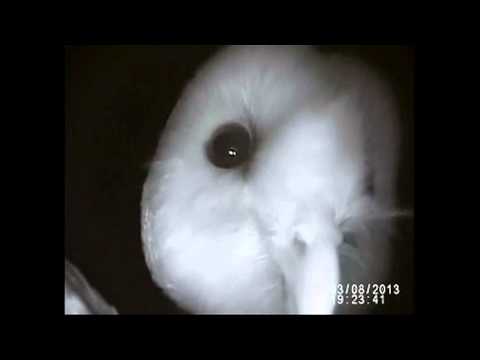
Barn owls have unique behaviors that help them adapt to their environment. These behaviors are important for their survival and hunting, especially during the night. Let’s explore two key aspects: swaying and their nocturnal habits.
The Significance of Swaying
When you observe barn owls swaying back and forth, it can seem curious. This swaying serves several important purposes.
First, it helps the owl gauge distances to objects around them. By moving their head, they enhance their vision and depth perception. The swaying can also signal communication. Owls may sway to establish dominance or confidence, especially when defending their territory.
Additionally, if a barn owl feels threatened, it may include swaying in its display behavior to appear larger and more intimidating to potential predators.
Nocturnal Habits and Silent Flight
Barn owls are primarily nocturnal, meaning they are active at night. This is beneficial for hunting since many of their prey, like rodents, are also out during these hours.
As you watch them, you may notice their remarkable ability to fly silently.
Their feathers have specialized structures that reduce sound. This silent flight allows them to approach prey without being detected. When hunting, they rely on their superb hearing and keen eyesight to locate prey in complete darkness.
By being stealthy, barn owls increase their chances of catching prey effectively while avoiding competition.
The Role of Swaying in Hunting and Courtship

Swaying plays an important part in how barn owls hunt and attract mates. This unique behavior helps them find food and communicate during courtship.
Tactics for Capturing Prey
When you watch a barn owl sway side to side, it’s not just for show. This motion helps the owl locate prey like mice more accurately.
By swaying, the owl adjusts its visual perspective, allowing it to gauge the distance of its target. This technique is called motion parallax. It lets the owl see objects in three dimensions, which is crucial for pinpointing the exact location of its prey.
When the owl spots a mouse hiding in the grass, it can swoop down swiftly to capture it with great precision.
Courtship Displays
During the breeding season, swaying also plays a key role in courtship. Male barn owls perform this behavior to impress potential mates.
They often sway side to side with their wings spread, showcasing their strength and fitness. Additionally, they may accompany this display with unique mating calls to attract females.
This courtship ritual helps communicate their readiness to breed. The more impressive the display, the better chance the male has of finding a partner for successful nesting.
This combination of tactics during hunting and courtship highlights the barn owl’s adaptability and intelligence.
Barn Owl Habitat and Nesting Insights

Barn owls, or Tyto alba, thrive in a variety of habitats. They look for safe and cozy places to nest, often in areas where small mammals are abundant. Understanding their preferred nesting sites can help you appreciate these fascinating birds better.
Preferred Nesting Sites
Barn owls prefer nesting in locations that offer safety and proximity to food. Common nesting sites include cavities in trees, old barns, and abandoned buildings. They often reuse sites that have been successful for generations.
These owls are particularly fond of habitats like grasslands, marshes, and agricultural fields. These areas are rich in small mammals such as voles, rats, and shrews, which make up their diet.
When you create spaces that mimic these conditions, you support their nesting habits. A suitable site needs to provide shelter, warmth, and easy access to food. This balance helps ensure the survival of barn owls and their young.
Cultural Significance and Inspiration

Barn owls hold a special place in various cultures and inspire many forms of art and personal expression. Their unique appearance and behaviors, like swaying, contribute to their symbolic meaning. This section explores how barn owls appear in art and the rising trend of adopting them as tattoo motifs.
Barn Owls in Art and Symbolism
Throughout history, barn owls have captivated artists and writers alike. Their silent flight and striking looks make them ideal subjects in paintings and sculptures. Artists often portray them as symbols of wisdom, intuition, and mystery.
Many cultures revere barn owls for their connections to the supernatural. In ancient Egypt, for instance, they were seen as protectors of hidden knowledge. This sense of mystery encourages creativity and inspires art that captivates the viewer’s imagination.
As a tattoo motif, barn owls embrace artistic expression. They can be depicted in many styles, such as realistic, abstract, or traditional, making them suitable for any tattoo enthusiast. Their symbolism can represent guidance during difficult times, which resonates with personal journeys in tattooing.
Adopting the Barn Owl as a Tattoo Motif
Choosing a barn owl as a tattoo design is a popular choice for many. These tattoos often symbolize wisdom and protection.
With unique design ideas, you can showcase the beauty of barn owls in endless creative ways.
When you approach a seasoned tattoo artist, share your vision and ideas. A professional artist can help you bring your concept to life, ensuring your tattoo reflects your personal story.
This collaboration fosters a community of creativity.
Aftercare advice is crucial to keep your barn owl tattoo vibrant and beautiful. Follow the instructions provided by your tattoo studio to ensure your new ink heals well.
Engaging with fellow tattoo enthusiasts can offer more knowledge about the latest tattoo trends and techniques.
Feel free to explore the world of barn owl tattoos, where symbolism meets artistry!


