
Have you ever been out at night and heard a chilling scream echoing through the darkness? You might have heard a barn owl. These incredible nocturnal hunters are known for their unique vocalizations, setting them apart from other owl species.
Barn owls scream to communicate with their mates, defend their territory, and warn off potential threats.

As you delve deeper into the world of the barn owl (Tyto alba), you’ll discover that their screams are more than just haunting sounds. These vocalizations play a vital role in their survival. Understanding why they scream can help you appreciate these fascinating birds even more.
If you’re curious about the behaviors of these remarkable creatures and why their night calls send shivers down your spine, stick around. Learning about barn owls might change the way you think about the sounds of the night!
Understanding Owl Communication
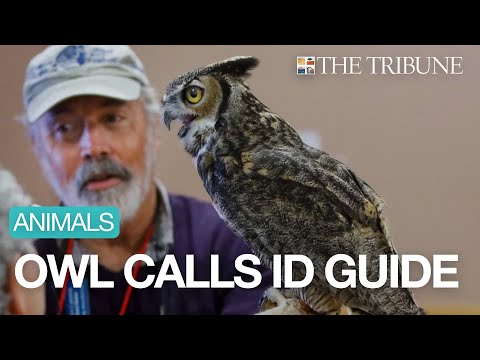
Owls, including barn owls, communicate using various vocalizations that serve important functions in their lives. These sounds help them establish territory, attract mates, and express their feelings. Let’s explore the different types of calls and their purposes.
Types of Vocalizations
Owls make several distinct sounds. The most common vocalizations you might hear are:
- Hoots: Deep and resonant, often used by male owls to mark territory.
- Screeches: High-pitched cries, often alarming, and sometimes used during interactions.
- Shrieks and hisses: Sharp sounds that indicate distress or aggression.
Barn owls, for instance, often emit a unique screech that is described as raspy and haunting. This sound can be unsettling at night but is essential for their communication.
Purpose of Nocturnal Calls
The sounds owls make at night serve several purposes. One key role is territorial calls, which males use to signal their presence to rivals. By hooting loudly, they declare that a particular area is already claimed.
Another purpose is to communicate with a mate. Owls are often monogamous, and their vocalizations can help strengthen their bond. This nighttime communication also aids in locating each other in the dark. For barn owls, their distinct screeches are crucial for warning off threats as well.
Differences Among Species
While all owls communicate, the way they do so varies by species. Barn owls, for example, primarily rely on their screeching sounds, while great horned owls are known for their deep hoots.
Some species may mix in who calls that signal different messages. The style and frequency of calls can also differ. These variations reflect each species’ unique habits and environments, helping you identify which owls you might be hearing at night.
Barn Owl Behavior and Habitat

Barn owls are fascinating creatures that roam the night. Their behaviors and habitats are closely linked, shaping how they survive and hunt. Understanding these aspects can provide insight into why you might hear them scream while you’re outside at night.
Habitat and Nesting Sites
You can typically find barn owls in open areas like farmlands, marshes, and grasslands. They prefer spaces that allow for easy hunting. Natural cavities, old barns, and abandoned buildings often serve as great nesting sites.
Barn owls lay their eggs in safe, hidden spots, protecting them from predators. The chicks are born helpless, relying on their parents to provide food. Barn owls return to the same nesting sites each year, making them loyal to their chosen homes.
Hunting Strategies and Prey
Barn owls are excellent hunters, known for their silent flight. They can glide through the night without making a sound, which helps them sneak up on their prey.
They primarily hunt small mammals such as mice, voles, rats, and shrews.
When hunting, they rely on their exceptional hearing to locate moving prey in darkness. Their keen senses help determine the exact location of a sound. This skill boosts their hunting success, making them very effective nocturnal predators.
Interactions with Other Owl Species

Owls interact in many ways, especially through their unique calls and territorial behaviors. Understanding these interactions can give you insights into their nighttime activities.
Call Distinctions and Functions
Barn owls communicate using a variety of vocalizations, including their distinctive screams. These sounds serve different purposes, often depending on the species nearby.
For example, great horned owls are known for their deep hoots, which can signal territory. In contrast, screech owls, such as the eastern and western varieties, produce high-pitched calls that can mimic other animals. This helps them avoid detection from predators.
Each species has its own set of calls. Barred owls are famous for their “who cooks for you” call, while snowy owls may issue a series of hoots during courtship. These vocalizations play a vital role not only in communication but also in attracting mates and signaling danger.
Territorial Behavior Among Owls
Territorial behavior is crucial for survival among owls. Barn owls, for instance, maintain their own hunting grounds and may scream to assert their presence.
The great horned owl is fiercely territorial and will defend its area against intruders. Similarly, tawny owls often engage in vocal duels to establish boundaries.
When it comes to nesting, species like the northern saw-whet owl are known to be more secretive, using soft calls to avoid detection while defending their territory. In contrast, barred owls are more aggressive in competing for prime locations.
Conservation and Research

Research plays a key role in protecting barn owls and their habitats. Understanding their behavior and needs helps conservationists create effective strategies. Different organizations and resources contribute significantly to these efforts, making a positive impact on owl populations.
The Role of Research in Owl Conservation
Research is essential for learning about the American barn owl and its unique habits. Studying their nighttime activities allows scientists to assess their population status. This work helps identify threats such as habitat loss or changes in land use in areas like Florida.
Organizations like the Macaulay Library provide valuable data and audio recordings of barn owl calls. This information aids in identifying their calls and understanding their behavior better. These studies contribute to conservation plans that protect their habitats and ensure a healthy future for barn owls.
Notable Resources and Contributions
Several organizations make significant contributions to barn owl conservation. The American Bird Conservancy focuses on habitat preservation, while the Macaulay Library offers extensive recordings and research materials. These resources help you learn more about barn owls and support their protection.
Wisdom, a notable program, tracks barn owl movements and provides insights into their behavior. This initiative also gathers data on owl populations and their environments to help inform conservation strategies. Engaging with these resources allows you to support barn owl conservation efforts actively.


