
Badgers often wander into your garden searching for food. They primarily come into your garden to find tasty insects and bulbs, which they dig up using their strong claws. This behavior can sometimes lead to damage in your flower beds and lawn, but understanding why they visit can help you manage their presence.
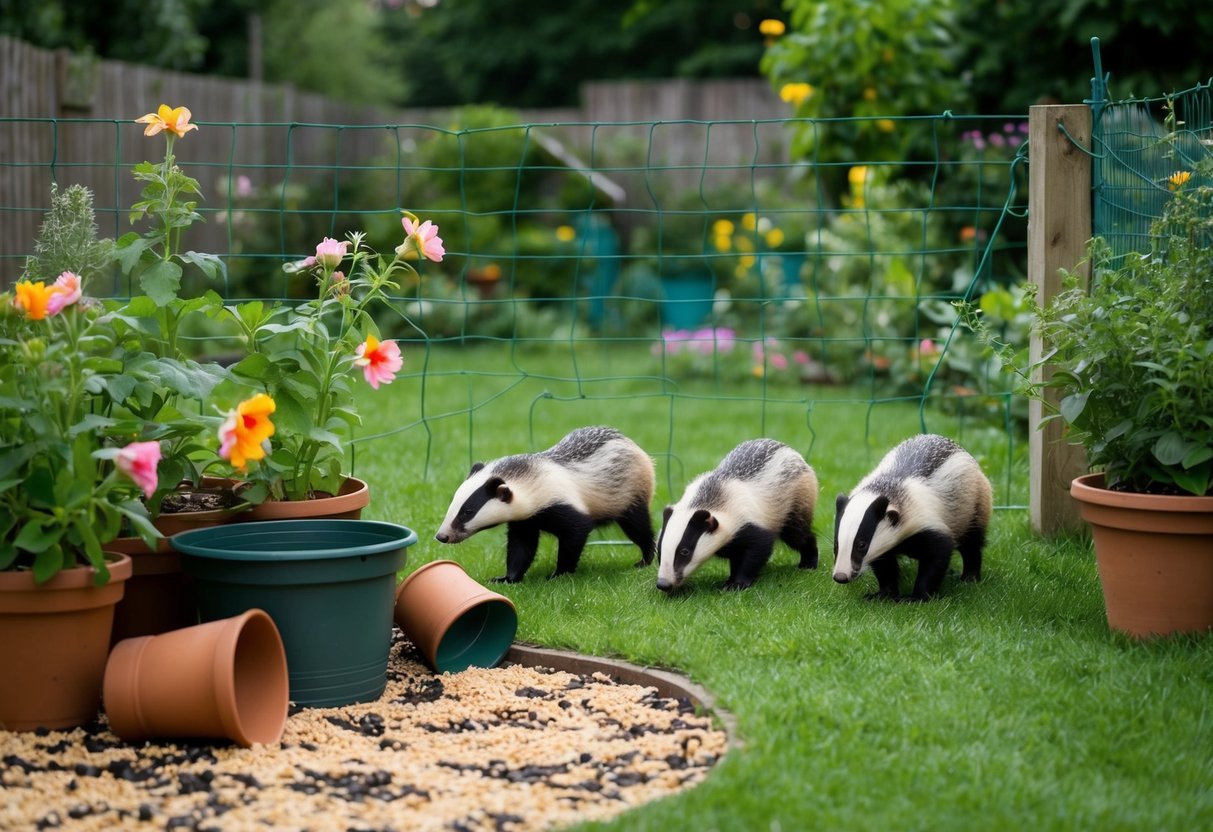
These animals are part of our local wildlife and play a role in the ecosystem by keeping insect populations in check. While they may not be the guests you want at your next garden party, their need for food drives them to explore areas where they might find a snack. If you have seen signs of badger activity, such as dug-up soil or droppings, they are simply following their instincts.
Promoting conservation is key, even when dealing with unwelcome garden visitors. Knowing how to coexist with badgers can enrich your gardening experience while respecting wildlife. With a few simple changes, you can keep them at bay while still enjoying the beauty of nature in your outdoor space.
Understanding Badger Behavior

Badgers are fascinating creatures with unique habits that explain why they may visit your garden. Their nocturnal nature, varied diet, and territorial behaviors play crucial roles in their presence. Understanding these aspects can help you appreciate their visits and manage their impact on your garden.
Nocturnal Activities
Badgers are primarily nocturnal animals, meaning they are most active during the night. They usually come out around dusk and remain active until dawn. This behavior helps them avoid predators and human activities, allowing them to roam freely.
During the night, badgers engage in various activities, such as foraging for food and excavating burrows. These nocturnal habits often lead them to gardens, where they might find food sources and suitable shelter.
Diet and Feeding Habits
Badgers have a diverse diet primarily consisting of earthworms, grubs, and other insects. They are known as ecosystem engineers because they play a significant role in soil aeration and pest control through their digging and feeding behaviors. When you have rich, thriving soil in your garden, it can attract these foragers.
They use their strong claws to dig for food, which can result in noticeable snuffle holes in your lawn. These small pits indicate that a badger has been searching for tasty treats beneath the surface.
Territorial Significance
Territory is very important to badgers. They have defined areas where they live, forage, and socialize. A badger’s territory can span several acres and is usually marked with droppings or scent markings.
When badgers visit your garden, it might be a sign that your space falls within their territory. Having badgers around can indicate a healthy ecosystem, as they often coexist with other native mammals. If you notice signs of badger activity, it’s essential to appreciate their role in maintaining balance within the environment.
Factors Attracting Badgers to Gardens
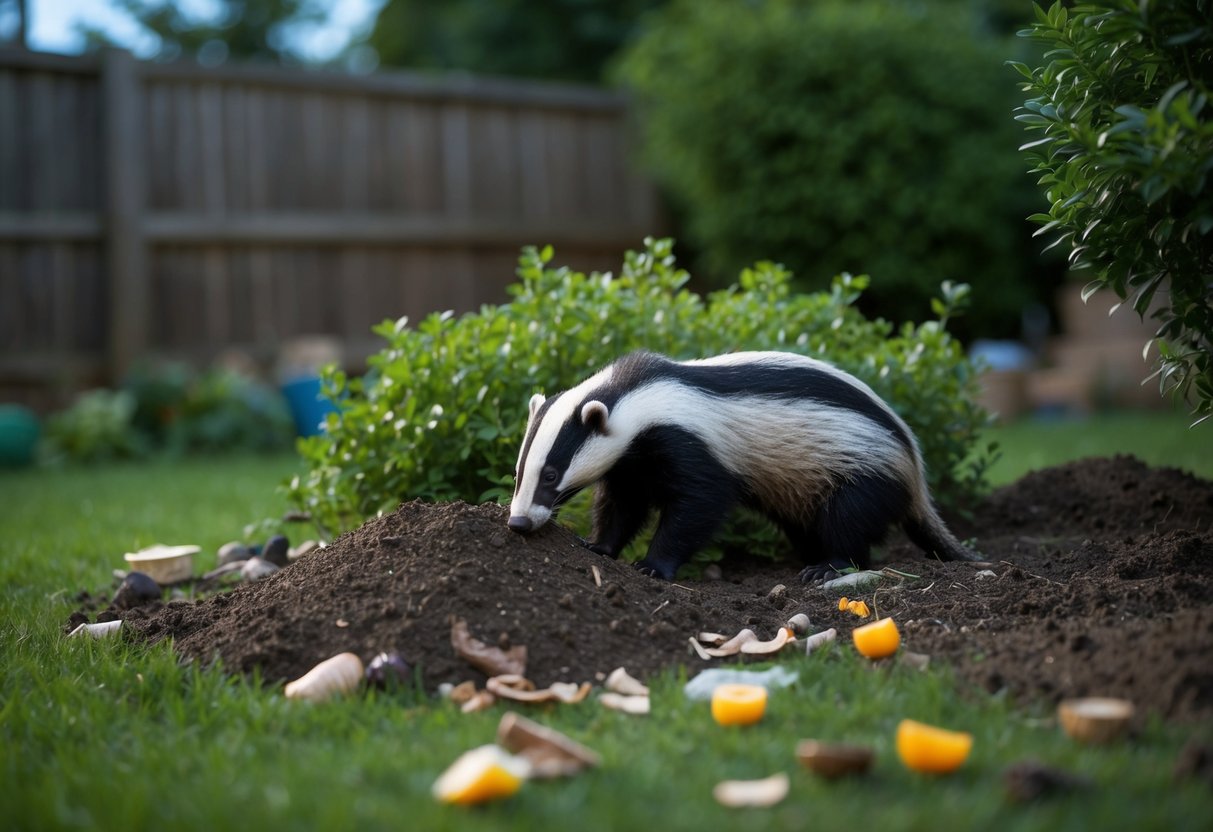
Badgers are curious animals that may visit your garden for various reasons. Understanding what draws them in can help you manage their presence. Here are some key factors that make your garden appealing to these creatures.
Food Sources in Gardens
Your garden can be a buffet for badgers, especially if you grow certain plants. They often search for tasty treats like fruits, vegetables, and bulbs.
Badgers eat a variety of foods, including:
- Earthworms
- Insects
- Fruits like apples and berries
- Vegetables such as carrots and potatoes
If your garden smells like food, badgers will take notice. Make sure to secure your trash and compost bins. Leaving food scraps outside can attract them quickly.
Shelter and Sett Locations
Badgers need safe places to rest, called setts. These are burrows that provide shelter from predators. If your garden has thick hedges or tall grasses, it can become a cozy spot for them.
Look for signs of badger paths leading to those areas. They might dig small holes in the ground, seeking a place to sleep or breed. It’s important to keep these areas clear if you want to discourage them from sticking around.
Garden Characteristics
Certain garden features can make your yard more attractive to badgers. A well-maintained lawn can provide easy access for them to roam and search for food.
If you have:
- Dense vegetation, it offers cover.
- Water sources like ponds or bird baths, as they attract wildlife.
- Natural compost piles, these can be inviting places for foraging.
Consider how your garden’s layout can provide easy pathways for badgers. By making small changes, such as limiting hidden spots, you can reduce their visits.
Impact of Badgers on Gardens and Prevention Strategies
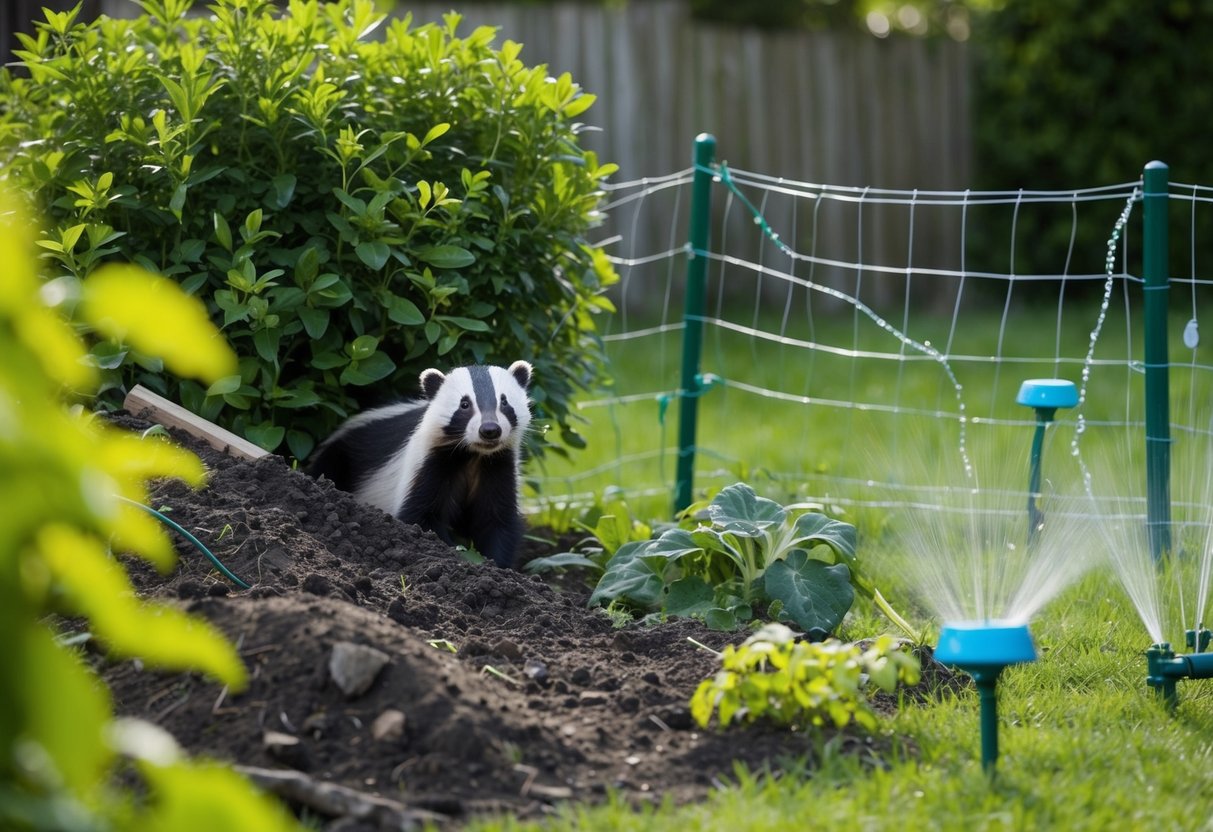
Badgers can bring both charm and challenges to your garden. Understanding the signs of their activity and knowing how to prevent damage can help you protect your outdoor space.
Common Signs of Badger Damage
You may notice several indicators that badgers have visited your garden. One of the most common signs is turf damage. Badgers create small pits in the ground while digging for food like earthworms. These snuffle holes can disrupt the look of your lawn.
Another sign is the presence of latrines. Badgers often use specific spots to leave droppings, marking their territory. You’ll find these in open areas or along the edges of your garden.
Additionally, if you see overturned soil or disturbed plants, it may be due to a badger’s foraging behavior. If you identify these signs, it’s important to act quickly to minimize further damage.
Preventive Measures and Deterrents
To keep badgers at bay, you can take a few effective steps. First, consider electric fencing around the perimeter of your garden. This creates a barrier that badgers are unlikely to cross.
Remove potential food sources by securing your trash cans. Use tight lids to stop any enticing smells from attracting them. Additionally, chemical deterrents, like those containing citronella, can help repel badgers. Spray these around your garden to create an unwelcome zone for them.
You may also want to engage with local wildlife groups to learn about coexistence strategies. Remember to follow the Protection of Badgers Act 1992, which ensures the safe treatment of these animals. Sharing tips with neighbors can also help in managing the presence of badgers together.
Enhancing Coexistence with Badgers
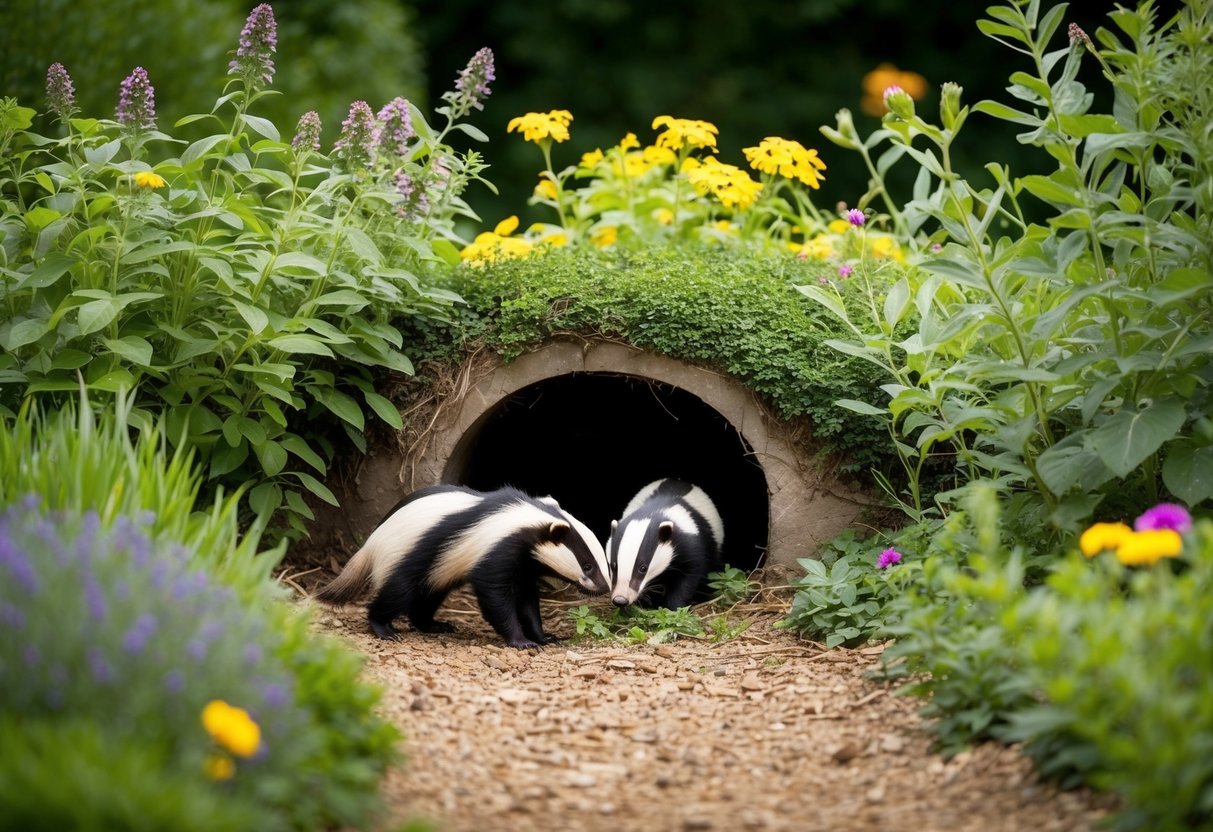
To live harmoniously with badgers, it’s essential to understand their legal protection and to create an environment that encourages wildlife. These steps foster a respectful relationship between you and these fascinating creatures.
Legal Protection and Ethical Considerations
Badgers are protected under UK law, which means it’s illegal to disturb their habitats or kill them. Understanding these regulations helps you respect these animals and support conservation efforts.
You can get involved by joining your local badger group. They provide valuable resources and can give you insights on how to protect badgers in your area. If you see a dead or injured badger, report it to the Badger Trust or your local group. They can assist with rehabilitation and raising awareness about these animals.
Creating a Wildlife-Friendly Environment
You can encourage wildlife, including badgers, by making your garden inviting and safe. Start by reducing potential food sources that might attract them. Keep trash secured and use tight-fitting lids on compost bins to avoid tempting them.
Installing a badger gate can provide safe passage for these animals. This allows them to roam freely without causing damage to your garden.
Using wildlife cameras can help you monitor your garden visitors and learn more about their habits.
By planting native plants and creating cozy shelter areas, you can enhance biodiversity. This not only benefits badgers but all wildlife in your area.
Embracing these practices helps maintain a balanced ecosystem.


