
Ever wonder why such a small, quirky fish can cost so much? Seahorses end up with a high price tag because people struggle to catch or breed them, they need pretty specialized care, and there are all sorts of legal and conservation hurdles that drive up their market value. Let’s get into what’s really behind those costs—and what it means if you’re actually thinking about owning one.
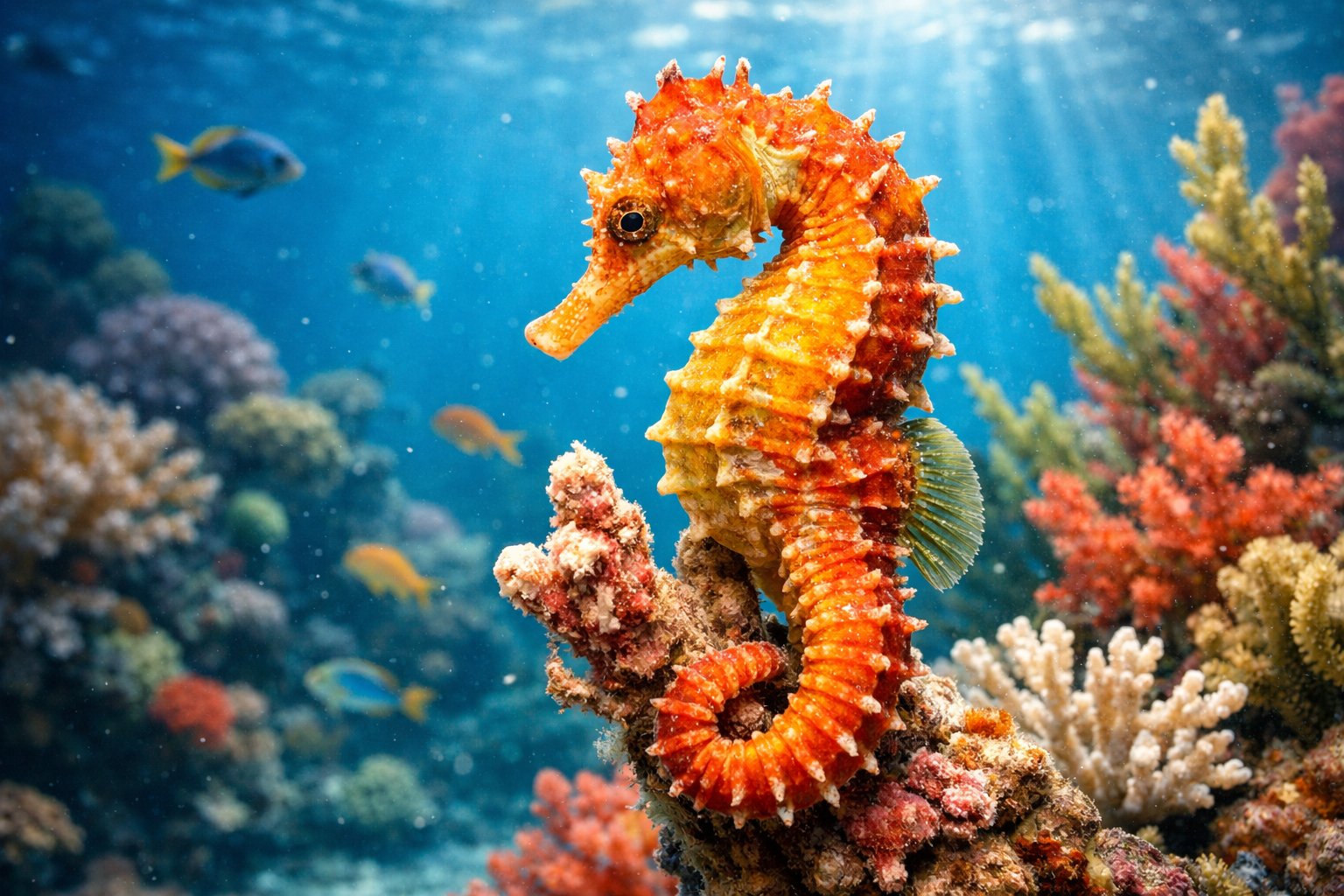
We’ll talk about how supply and demand work, the difference between captive breeding and wild capture, and why equipment and food aren’t cheap either. I’ll lay out the facts so you can figure out if a seahorse really fits into your plans.
Key Reasons Why Seahorses Are So Expensive
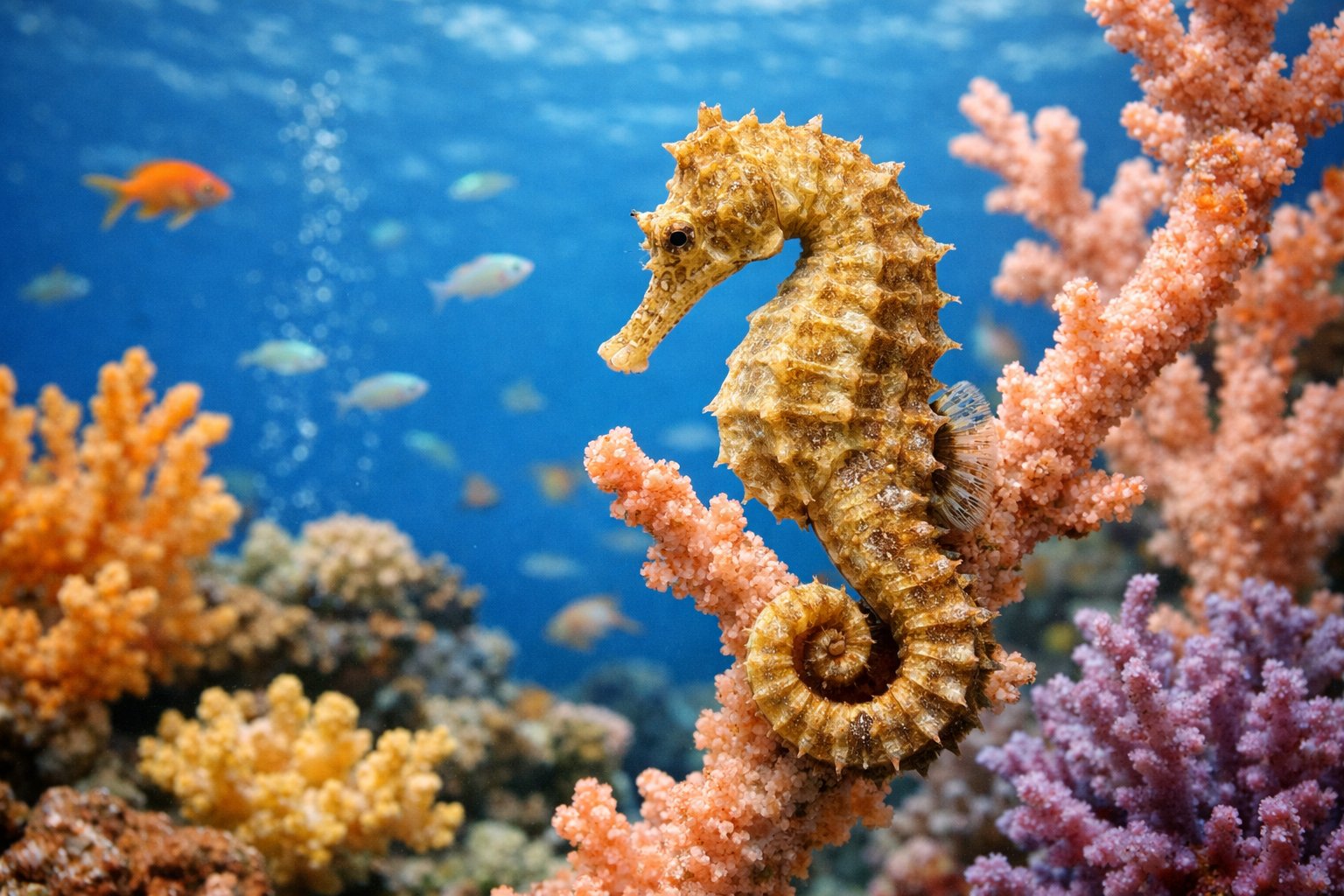
Seahorse prices shoot up for a few reasons: some species are rare, collecting or breeding them isn’t easy, there are strict laws, and shipping them takes extra effort. Put all that together, and you’re looking at a hefty price both when you buy and as you care for them.
Species Rarity and Demand
Different seahorse species can cost wildly different amounts. Rare ones like pygmy seahorses or Barbour’s seahorse often go for more because they’re tiny, tough to find, or only live in certain places. If you’re after a lined seahorse that’s been bred in captivity, you’ll pay less.
Collectors and researchers chase after special color patterns, unique sizes, or particular captive-bred lines. That kind of demand just pushes prices up for rare individuals. When supply drops and more people want them, you pay extra—especially for the ones that are tricky to keep or breed in tanks.
Wild-Caught vs. Captive-Bred Seahorses
Wild-caught seahorses sometimes cost more because collecting them isn’t simple. People have to travel, get permits, and spend time searching in seagrass, coral, or mangroves. Then, they transport seahorses carefully to avoid stress or deaths.
Captive breeding takes a steady broodstock, special food, and tightly controlled tanks. Breeding seahorses can take months and you need space, food, and sometimes a vet. Most hobbyists go for captive-bred seahorses for health and legal reasons, but the setup and ongoing care still drive up the price.
Legal Protections and Conservation
International rules and national laws tightly control trade in many seahorse species. Exporting or importing them means you need permits, which add paperwork and can slow things down.
Conservation programs, like Project Seahorse, try to protect both habitats and the animals themselves. When you buy seahorses, you might notice legal checks and conservation fees in the final price. Fewer wild seahorses (thanks to habitat loss) can also nudge prices higher.
Market Influences and Distribution Costs
The seahorse market piles on costs before you actually buy one. Middlemen, shipping, and quarantine all add their own fees. Shipping live animals is tricky—they need careful packing, oxygen, fast air freight, and special handling, which isn’t cheap.
Dried seahorses for traditional medicine take a different route, with extra handling and processing that changes the price. Retail markups, dealer stock, and seasonal catch limits all play a part in the number you see at the store or online. If you want a deeper dive, look up detailed pricing guides like this one on how much a seahorse costs.
The True Cost of Keeping Seahorses

If you want to keep seahorses, you’ll need to spend money, time, and honestly, you’ll have to make some careful choices. The animal itself is just the start—tank gear, food, water tests, and vet care all add up fast.
Initial and Ongoing Expenses for Seahorse Owners
Setting up costs more than the seahorses themselves. You’ll probably drop $200–$800 just to get a tank and filtration system running.
A decent marine aquarium, protein skimmer, and heater are pretty much required up front. The seahorses themselves usually run $50–$250 each, depending on species and availability.
Every month, you’ll pay for electricity, salt mixes, test kits, and filter media. Expect $30–$100 for power, frozen food, and water treatment.
If you’re buying live or frozen mysis shrimp, just feeding them can be $20–$50 a month. And be ready for surprise vet visits or having to replace equipment.
Special Tank Setup and Equipment
Seahorses need a calm, steady tank with places to hitch onto vertically. A 20–30 gallon tank works for a pair of smaller species, but you’ll need bigger for the large types.
Go with low-flow filtration and add a protein skimmer to keep the water clean without blasting them around. Use artificial or live macroalgae, gorgonians, or safe décor so they have something to grab onto.
A good heater and thermometer keep the temperature steady. You’ll also want a hydrometer or refractometer for salinity, plus digital test kits for ammonia, nitrite, nitrate, and pH. Most of your budget will go to equipment at the start.
Feeding Requirements and Food Costs
Seahorses are picky and prefer live or frozen mysis shrimp. Many won’t touch flakes or pellets, so you’ll have to find quality frozen mysis or live feeder shrimp.
Frozen mysis is the usual staple and often needs extra vitamins and amino acids. Feed small meals a few times a day, depending on size and species.
A pair might go through 1–3 pounds of frozen mysis per month. If you stick with live foods or raise copepods, you’ll spend more time and money. Make sure you have a steady supply and thaw food safely to avoid bringing in disease.
Care, Health, and Lifespan Considerations
Seahorses really rely on good water quality and a proper diet. If the water chemistry gets off or parasites show up, they feel it fast.
You should test the water regularly. Quarantining new arrivals and jumping on infections early can make all the difference.
How long do they live? Well, it depends on the species, but with decent care, you’ll usually get 2–5 years.
Captive breeding helps cut costs over time and boosts their chances, though it’s not exactly easy. Breeding takes patience, some know-how, and honestly, a bit more space than you might expect.
If you ever need a marine vet, they’re out there, but it’s not cheap. It’s smart to keep some emergency cash on hand for meds or unexpected tests.


