
Ever feel like bees just won’t leave you alone? Maybe you’ve noticed them hovering, following, or circling a little too close for comfort. Bees get curious about things like the scents you wear, the colors you choose, and even how you move. These things remind them of flowers or food, so it’s no wonder they want a closer look.
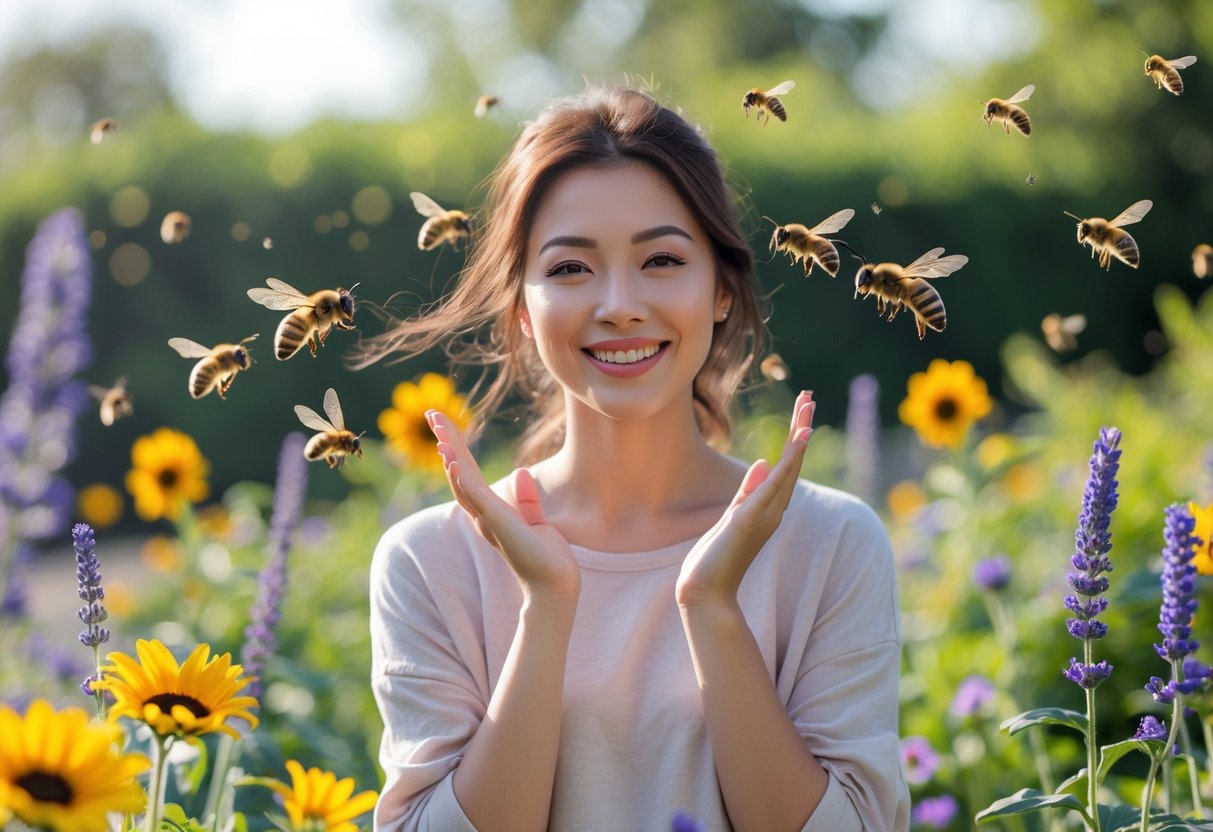
Certain perfumes, shampoos, or even your sweat can turn you into a bee magnet. Bees don’t really want to bother you; they’re just searching for what they think is nectar or sugar.
If you get why bees act this way, you can stay calm and still enjoy being outside—even if a few bees show up.
Curious about why bees seem so interested in you? Want to know how to avoid drawing them in? Keep reading for some straightforward facts about bee behavior and a few simple ways to keep them at bay.
Why Are Bees Attracted to Me?

Bees notice a lot about you, especially things that remind them of flowers or food. Your scent, your clothes, and even your sweat can grab their attention.
If you know what draws bees in, you can dodge those unwanted visits a bit more easily.
Sweet Scents and Fragrances
Bees rely on their sharp sense of smell to find nectar and pollen. If you use perfumes, lotions, or shampoos with floral or fruity scents, you might smell like a flower buffet to them.
Those sweet scents tempt bees because they’re always seeking flowers with nectar. Even natural smells—like fresh fruit or sugar—can lure them in.
They just follow their noses, hoping for food. If you want fewer bees buzzing around, you might want to skip strong sweet-smelling products.
Clothing Colors and Patterns
Bright colors catch bees’ eyes. If you wear yellow, white, or anything with floral patterns, you could stand out to them.
Dark colors like black also get bees’ attention, since those shades sometimes signal danger or a rival in their world. Patterns that look like flowers or have bold contrasts make bees more likely to come closer.
If bees keep following you, try switching to duller colors like beige or light blue. Avoiding floral prints can help too.
Sweat and Body Chemistry
Sweat plays a part here, too. Sweat contains salts and minerals, and some bees—like sweat bees—really go for that.
Your body chemistry matters more than you might think. Everyone’s skin makes slightly different scents, and if yours matches what bees like (think flower-like smells), they’ll notice you more.
Keeping your skin clean and avoiding strong-smelling products might help keep bees at bay.
Food and Drinks as Attractants
Bees love sweet foods and drinks. If you’re outside eating sugary snacks or sipping on something sweet, bees will probably swing by for a visit.
They go for things like fruit juice, soda, and candy. Wasps might chase the smell of meat, but bees mostly care about sugary stuff.
Cover your food and drinks and clean up spills to keep bees away. That simple step can make a big difference.
Want more info? Check out why bees chase human food and drinks—especially sugary ones—over at PollenPaths.
Bee Encounters, Other Insects, and Safety Tips
It can be tricky to tell bees apart from other stinging insects, or to know what to do when they get close. If you know how they differ and how to react, you can protect yourself—and the bees, too.
Differences Between Bees, Wasps, and Hornets
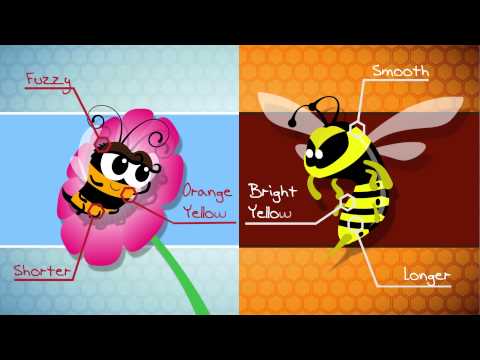
Bees, wasps, and hornets all sting, but they act differently. Honey bees and bumble bees usually keep to themselves and only sting if you threaten their hive or grab them.
They look fuzzy and collect pollen. Wasps and hornets have slimmer, smoother bodies and tend to act more aggressive.
Yellow jackets (a type of wasp) might sting multiple times and get hostile fast, especially if food is around.
Here’s a quick table to help you tell them apart:
| Insect Type | Body Shape | Hair Covering | Behavior | Stinging Ability |
|---|---|---|---|---|
| Honey Bee | Round | Fuzzy | Gentle | Stings once, then dies |
| Bumble Bee | Large, Round | Very Fuzzy | Calm | Stings once |
| Wasp | Slim | Smooth | Aggressive | Stings multiple times |
| Hornet | Large Wasp | Smooth | Very Aggressive | Stings multiple times |
How to Respond When Bees Follow You
If bees start following or circling you, try to stay calm. Swatting or sudden movements can make them feel threatened and increase your chances of getting stung.
Just walk away from the area—no drama needed. Skip the bright colors, strong perfumes, or floral scents if you want to avoid drawing them in.
Keep away from open food and sweet drinks outside. If you see a hive or a swarm, don’t mess with it.
Stay back and let them be. If bees get aggressive, move away quickly but don’t run—fast movements can make things worse.
Remind kids to stay calm, too. It really does help keep everyone safe.
Health Risks and Allergic Reactions
Most bee stings hurt a bit and cause some redness or swelling. Still, a few people react badly and need fast medical help.
Watch out for signs like trouble breathing, hives, swelling around your face or throat, dizziness, or nausea. If you know you have allergies, you really should carry an epinephrine auto-injector (EpiPen).
If a bee stings you, scrape out the stinger quickly with something flat. Wash the spot with soap and water.
You can use a cold pack to help with swelling. If you need it, try some anti-itch lotion or take a painkiller.
Honestly, just knowing the risks and what to do can make a big difference. Bees matter, but your safety comes first—check out these bee safety tips.


