
If you’ve ever wondered about the care and monitoring of barn owls, you might be curious about who is behind the ringing process. Trained and skilled bird ringers, often associated with conservation organizations like the British Trust for Ornithology (BTO), ring barn owls to gather essential data for their protection. This practice helps track their movements and gather information about their populations.

Ringing is important for understanding barn owls’ behavior and habits. When a barn owl is ringed, it receives a unique identification number, allowing researchers to collect valuable insights over time.
If you spot a barn owl with a ring, you can contribute to this important work by reporting your findings to the appropriate organizations.
As you read on, you will learn more about the significance of ringing barn owls, the process involved, and how it contributes to their conservation efforts. With each piece of information, you’ll gain a better understanding of these fascinating creatures and the dedicated people who work to protect them.
Understanding Barn Owls

Barn owls are fascinating birds of prey known for their unique appearance and critical role in the ecosystem. This section will give you an overview of their species traits, preferred habitats, and importance in conservation efforts.
Species Overview and Habitat
Barn owls have a distinct heart-shaped facial disc and are often recognized by their pale gold and gray feathers. Typically, these owls measure about 12 to 16 inches in length, with a wingspan ranging from 30 to 43 inches.
You can find barn owls in a wide range of habitats, such as farmlands, grasslands, and wetlands. They prefer areas with dense vegetation for hunting, as it provides cover from predators and helps them catch small mammals like mice and voles.
Barn owls are primarily nocturnal, meaning they are active at night. Their excellent hearing and silent flight make them skilled hunters in low light conditions.
Role in Ecosystem and Conservation Efforts
Barn owls play a vital role in maintaining the balance of their ecosystems. As natural predators, they help control populations of rodents, which is beneficial for agriculture and human health.
In terms of conservation, barn owls face threats from habitat loss and changes in agricultural practices. Organizations and volunteers work hard to create nesting sites and promote awareness about their needs. You might also come across initiatives like bird ringing, which helps monitor barn owl populations and movements for conservation efforts, such as the guidelines set by the British Trust for Ornithology.
By supporting local conservation efforts, you can help protect these incredible birds and ensure they thrive in their natural habitats.
The Practice of Owl Ringing

Owl ringing is an important activity that helps track and study barn owls. It provides valuable data for conservation efforts. By understanding the history, methodology, and significance of this practice, you can see how it supports wildlife rehabilitation and overall conservation work.
History and Significance
Owl ringing dates back over a century, with the British Trust for Ornithology (BTO) playing a crucial role. This practice began as a way to gather data on bird movements and populations.
Barn owls are particularly vulnerable to habitat loss. By ringing these birds, you help monitor their health and survival rates. This data is necessary for tailoring conservation strategies that address specific threats to barn owl populations.
Methodology and Data Collection
The ringing process involves trained professionals who ensure the safety of the owls. They carefully catch, measure, and attach a lightweight ring to a bird’s leg. Each ring has a unique number for tracking purposes.
Ringing typically happens during specific times of the year, often during the breeding season. This timing allows for capturing young owls and monitoring their development. The information collected helps track migration patterns, breeding success, and population trends in various habitats.
Contribution to Science and Conservation
Owl ringing contributes greatly to scientific research. The data gathered supports important conservation work. For instance, researchers analyze movement patterns to determine critical habitats for barn owls.
Additionally, this practice aids rehabilitation efforts for injured or displaced owls. Understanding their habits and needs allows for better care and release back into the wild. Your involvement in these efforts can make a real difference in protecting these beautiful birds.
Barn Owls and Falconry

Barn owls play a unique role in the world of falconry. This ancient practice often includes the use of these beautiful birds in events, such as weddings, where they can be part of special moments. Understanding the art of falconry with owls gives insight into their care and the techniques used by falconers.
The Art of Falconry with Owls
Falconry with barn owls combines skill, patience, and a deep connection with these creatures. As an owl ring bearer, a barn owl can deliver wedding rings in a spectacular way. Falconers train the birds to respond to commands and to fly short distances to specific locations. This training process involves gradual steps, such as luring the owl with food and rewarding them when they successfully complete a task.
Owls are different from traditional falcons. For example, barn owls have a keen sense of hearing and are masters of night hunting. These traits are important in falconry, especially during demonstrations. Falconers showcase the barn owl’s beauty and skills, creating unforgettable experiences for audiences.
Falconers’ Role in Conservation
Falconers are not just trainers; they also contribute to owl conservation efforts. By participating in educational programs, they promote awareness about barn owls and their habitats. As they engage the public during demonstrations, falconers highlight the importance of protecting these birds and their environments.
Many falconers work with wildlife organizations to care for injured owls. Through rehabilitation, they help these birds return to the wild when feasible. Supporting conservation efforts helps build an appreciation for barn owls, ensuring they thrive for future generations.
Understanding Falconry Equipment: The E Ring and G Ring
In falconry, specific equipment helps in training and managing birds. Two essential items are the E Ring and G Ring.
-
E Ring: This is a small ring attached to the bird’s leg. It often has identification information, which is important for tracking purposes.
-
G Ring: Similar to the E Ring, the G Ring helps secure the bird during falconry activities. It is often used for short-term tethering.
Using the right equipment ensures the safety and comfort of your barn owl. Proper gear allows you to focus on building a strong bond with your bird, enhancing your overall experience in falconry.
Barn Owls in Weddings and Special Occasions
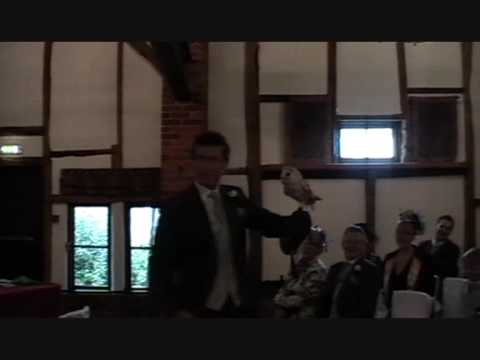
Using a barn owl as a ring bearer adds a unique touch to your wedding day. This growing trend can create memorable moments for you and your guests during your special ceremony.
The Growing Trend of Owl Ring Bearers
Owl ring bearers are becoming a popular choice for couples seeking something special. A trained barn owl can gracefully deliver your wedding rings, making the moment unforgettable.
Many couples in places like Sussex and Market Harborough are choosing this option. The silent flight of the owl adds a magical feel to the ceremony. Your wedding party will be delighted when the owl glides down the aisle with the rings.
This unique delivery method not only wows guests but also creates a talking point for years to come. It turns a traditional ring delivery into an interactive experience for everyone involved.
Planning Your Wedding Day with a Barn Owl
When planning your wedding day, you’ll need to consider several details if you want to include a barn owl. First, choose a reputable service that specializes in owl ring bearer deliveries.
They will guide you through the process, from selecting the owl to timing the delivery. Make sure to communicate your wedding day schedule with them.
You should also think about where the owl will land during the ceremony. Ideally, it should be a clear space so that the delivery goes smoothly and safely.
Discuss your desires with the trainer to prepare the owl for the event. This level of planning ensures a seamless experience on your special day.
Capturing Memorable Moments: Photography and Videos
Including a barn owl in your wedding creates great opportunities for photography and videos. You can capture the moment the owl delivers your wedding rings.
This unique scene makes for stunning wedding party photographs that stand out. Professional photographers often love capturing these special moments.
Consider coordinating with your photographer ahead of time. Discuss what shots you want and ensure they understand when the owl will be involved.
Capturing videos of the delivery can also create lasting memories. Sharing these moments with family and friends adds another layer of joy to your celebration.
Considerations for Incorporating Wildlife Responsibly
Barn owls can be a beautiful addition to your wedding, but it’s important to incorporate them responsibly. Ensure the service you choose prioritizes the welfare of the owl.
Ask about their training, care, and handling of the animal. A reputable provider will have the owl’s best interests in mind.
Consider weather conditions on your wedding day. Extreme heat or rain can affect the owl’s ability to perform.
Lastly, communicate with your venue about any restrictions regarding wildlife. This helps ensure that everything goes smoothly and safely during your special occasion.


