
So, who killed the oldest lion, and why did it matter so much to locals and conservationists? Maasai herders speared Loonkiito, a 19-year-old Kenyan lion, after he broke into a livestock pen and attacked their animals.

Loonkiito built a reputation as one of Africa’s oldest wild lions. But age, hunger, and fewer wild prey pushed him closer to people.
This story really shows the ongoing struggle between protecting wildlife and protecting people’s livelihoods.
You’ll get a sense of what this killing says about wider human-lion conflict, and what local communities and conservation groups are trying to do to prevent more violence and save other lions.
Who Was the Oldest Lion and How Was He Killed?
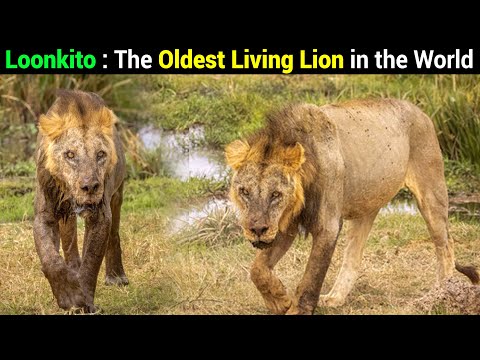
Let’s talk about this famous Kenyan lion who lived to a surprising old age, defended his territory for years, and then died after entering a livestock pen.
Here’s what happened in his life, how things went wrong, and who got involved.
Loonkiito’s Legacy and Life in Kenya
Loonkiito was born around 2004 and spent his life near Amboseli National Park. He wasn’t just any lion—he made it to about 19 years old, which is rare for wild males.
Kenya Wildlife Service and local groups even called him a “legendary big cat warrior” because he held his ground for over a decade.
If you’d visited Amboseli, you might’ve spotted him hanging around the park’s edge near Olkelunyiet village, where park grasslands meet community lands.
Groups like Lion Guardians kept tabs on him and shared news about his age and movements. Loonkiito became a symbol of resilience for many in the area.
Events Leading Up to the Death of Loonkiito
One night, Loonkiito slipped into a livestock enclosure near Olkelunyiet village. Drought and the lack of wild prey forced older lions like him to look for easier meals, such as cattle.
Local herders had already lost livestock, and tensions were running high.
Villagers speared Loonkiito when they caught him in the boma, and he died soon after from his injuries. News spread quickly, and conservation groups confirmed his death.
Nine other lions died that same week in nearby communities around Amboseli. Herders said repeated livestock attacks pushed them to defend their animals.
The Role of Maasai Morans and Local Communities
Maasai morans—young warriors—regularly guard livestock around Olkelunyiet and other spots near Amboseli. When a lion threatens their animals, morans and herders sometimes take matters into their own hands.
In Loonkiito’s case, witnesses said morans speared him as they tried to protect their cattle.
From the community’s point of view, livestock mean everything—income, status, survival. Conservation groups and Kenya Wildlife Service keep trying to help, with stronger bomas, herding changes, and compensation programs.
But when hunger strikes and animals die, some locals still use lethal force to protect what they have.
Human-Lion Conflict and Conservation Challenges

Communities, park managers, and conservation groups all face tough choices when lions wander out of protected areas.
Why do these big cats move into human spaces? What does Loonkiito’s death say about the bigger picture, and what are teams in Amboseli and Nairobi actually doing?
Why Do Lions Stray Into Human Habitats?
Lions usually head toward people looking for food or water. Droughts and prey shortages force older or injured lions to hunt near livestock pens and farms.
Aging or weak lions, like Loonkiito, just can’t keep up with wild prey anymore and find livestock much easier to catch.
Human land use—farming, fences, roads—shrinks lion territory. When you hear about more lion encounters, it’s often after droughts or habitat loss.
Wildlife officials and groups like Cats for Africa try to help by improving herding methods and building stronger bomas.
Recent Trends in Lion Deaths and Human-Wildlife Conflict
Lion deaths from retaliation and conflict have gone up in places with more people and less wild prey. Reports show many lions die each year after taking livestock or showing up in villages.
People sometimes kill lions to protect their animals or families.
Conservation data point to hotspots where people and lions run into each other a lot. Kenya Wildlife Service and local groups track these cases and try to help with compensation, deterrents, or moving the lions.
But losing older lions and top breeders really hurts the population, affecting pride structure and genetics.
Conservation Efforts in Amboseli and Nairobi National Parks
In Amboseli, teams focus on community outreach, quick responses, and better livestock management. Lion Guardians and rangers work with herders to keep their animals safe using predator-proof bomas.
They mix traditional herding with modern tools—alarms, lights, that sort of thing.
Nairobi National Park uses fences, surveillance, and public education. KWS patrols the park’s edges and works with NGOs to prevent lions from wandering out.
Both parks depend on monitoring, reporting networks, and compensation to reduce retaliatory killings and keep lions, people, and livestock safer.
Comparing Loonkiito’s Story to Cecil the Lion
People paid attention to Loonkiito and Cecil for different reasons, but their stories overlap in some pretty important ways. Loonkiito, an old lion killed near Amboseli after locals suspected him of preying on livestock, brings up tough questions about how drought and desperation push people to act.
The news really jumped on his death, pointing to ongoing human-lion conflict and the need for solutions that actually work for locals. It’s a complicated mess, honestly.
Cecil’s story? That one blew up worldwide. He died in a trophy hunt near Hwange, and suddenly everyone was talking about it. The outrage got so loud that it pressured governments to rethink hunting rules, and it even brought in more money for research and anti-poaching.
Both of these lions, in their own ways, show how a single animal’s fate can shift how people see conservation. But if we’re being real, the everyday stuff—like stronger bomas or community programs—probably makes a bigger difference in the long run.


