
When finding out who holds the title of the smartest dog alive, many will point to the remarkable Border Collie named Chaser. Chaser gained fame for her ability to learn and recognize over 1,000 proper nouns. This impressive feat sets her apart in the world of dog breeds known for their smarts.
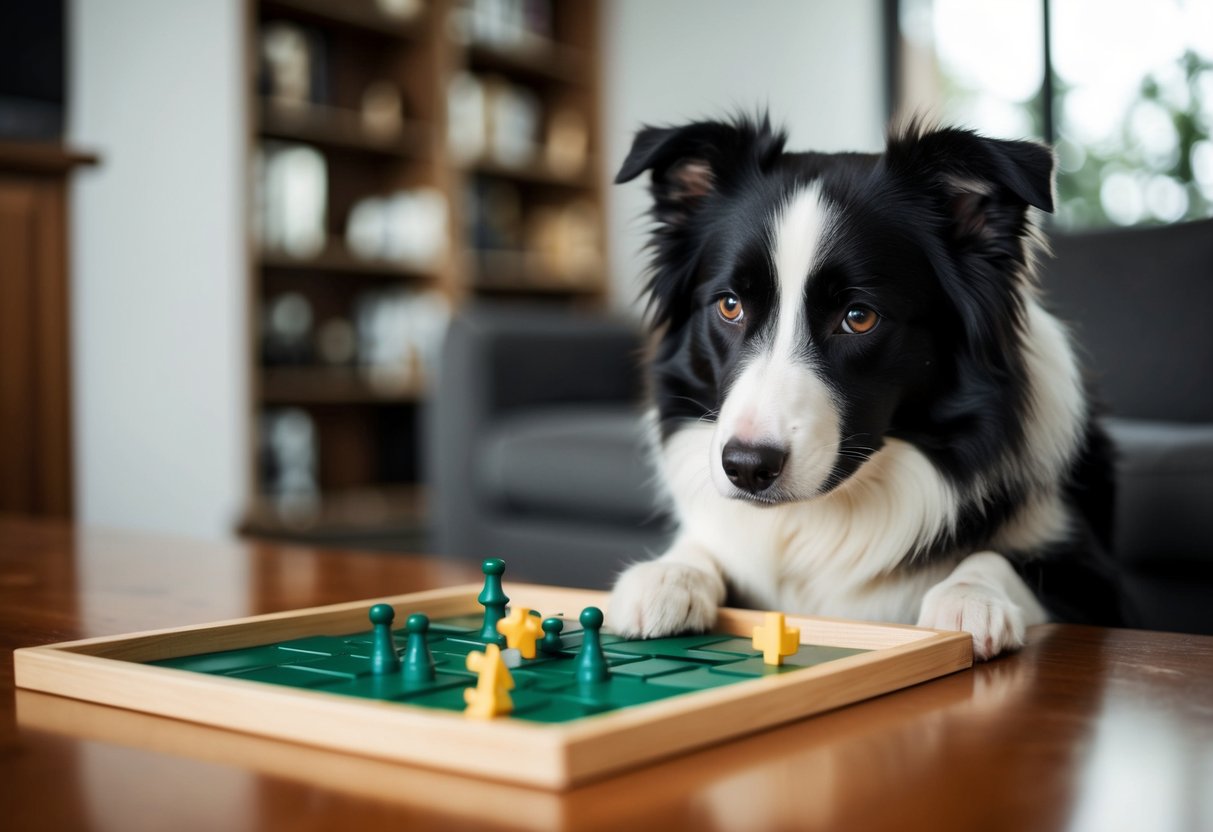
Canine intelligence varies among different breeds, with some dogs excelling in learning commands and performing tasks. Understanding dog intelligence can help you appreciate the unique abilities of each breed, including their instincts and adaptability.
Dogs like Chaser not only impress us with their skills, but they also enrich our lives with their companionship and loyalty.
In this article, you will discover what makes certain dogs smarter than others, explore the traits that define canine intelligence, and learn more about breeds that rank high in smarts. Get ready to dive into the fascinating world of dog intelligence and find out more about the current titleholder!
The Science of Canine Intelligence

Canine intelligence is a fascinating topic that explores how dogs think and learn. Understanding the different types of intelligence and how they are measured can help you appreciate your dog’s abilities.
Understanding Dog Intelligence
Dog intelligence can be divided into three main types: instinctive intelligence, adaptive intelligence, and working and obedience intelligence.
- Instinctive intelligence refers to what dogs are naturally good at, such as herding or guarding.
- Adaptive intelligence relates to a dog’s ability to learn from its environment and solve problems. For example, a dog may learn how to open a door to get outside.
- Working and obedience intelligence measures how well dogs respond to commands and training.
Knowing these categories helps you recognize your dog’s strengths and areas for improvement.
Measuring Intelligence in Dogs
Dr. Stanley Coren, a leading expert in canine intelligence, studied dog behavior extensively. He developed a way to rank dog intelligence based on surveys of obedience judges.
This ranking helps owners understand their pet’s trainability and learning capacity.
Some key aspects include:
- Trainability: How quickly a dog learns new commands.
- Problem-solving abilities: This shows how well a dog can think through challenges on its own.
- Mental stimulation: Engaging your dog in various activities can enhance its intelligence.
The combination of these factors gives you insight into your dog’s mind and capabilities.
Breeds Known for High Intelligence
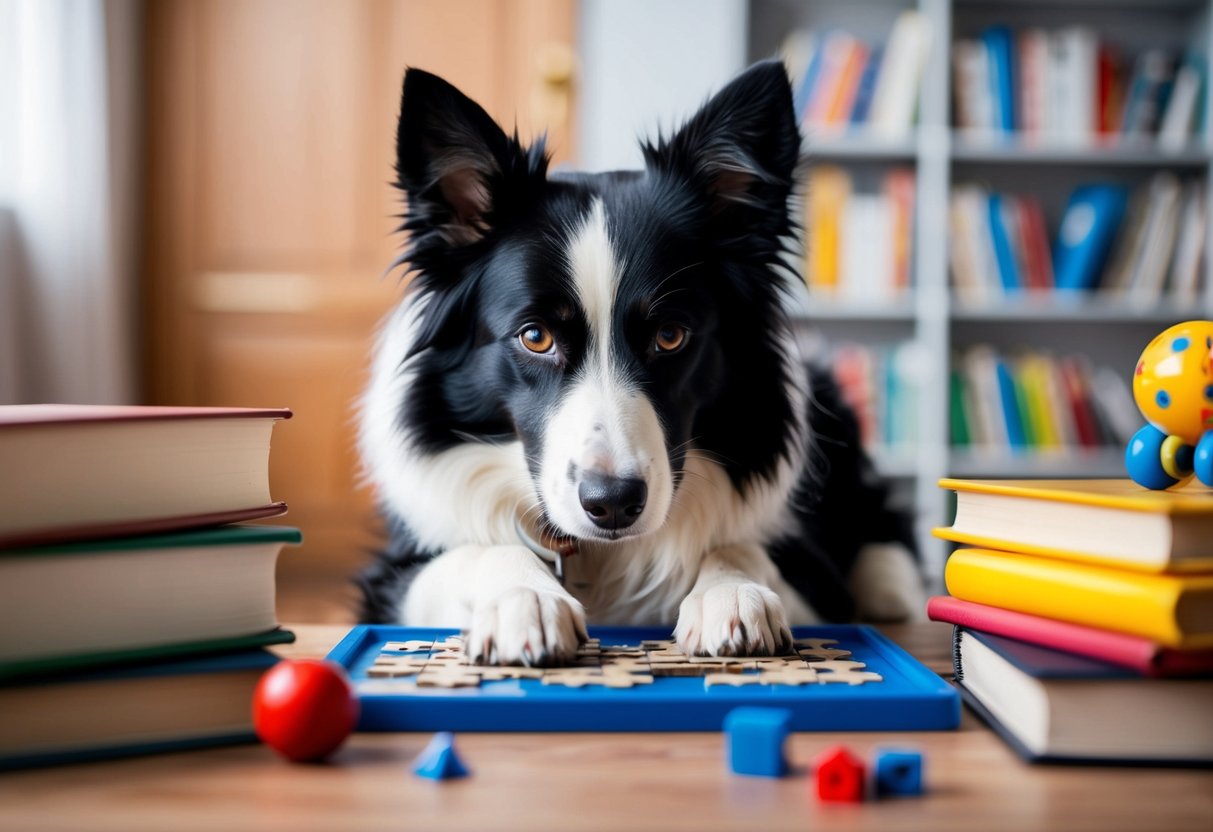
When it comes to dog breeds renowned for their intelligence, some names stand out. These dogs are not only smart but also excel in tasks and commands. You’ll find a mix of iconic breeds and lesser-known ones that have impressive skills.
Iconic Intelligent Breeds
The border collie tops the list as the smartest dog breed. Known for their herding abilities, they excel at learning commands and solving problems.
Another well-known breed is the poodle. Poodles come in three sizes and are highly trainable. They are often used in dog shows due to their intelligence and versatility.
German shepherds are not only loyal but also very smart. They’re commonly used in police and service work because of their ability to learn quickly.
Don’t overlook the golden retriever. They are friendly, eager to please, and great at following commands. Similarly, the doberman pinscher combines loyalty with intelligence, making them excellent watchdogs.
Lesser-Known Smart Breeds
The Shetland sheepdog may not be as famous, but it’s quick to learn commands. They are excellent at agility and obedience.
You might be surprised by the Australian cattle dog. They are highly energetic and need mental stimulation, which makes them easy to train.
The papillon is small but mighty. With their quick learning abilities, they can master tricks and commands faster than you might expect.
Lastly, consider the Belgian Malinois and Belgian Tervuren. Both are exceptional working dogs, known for their intelligence and adaptability in various tasks. These breeds shine not only in herding but also in protection and search-and-rescue roles.
Training and Intelligence
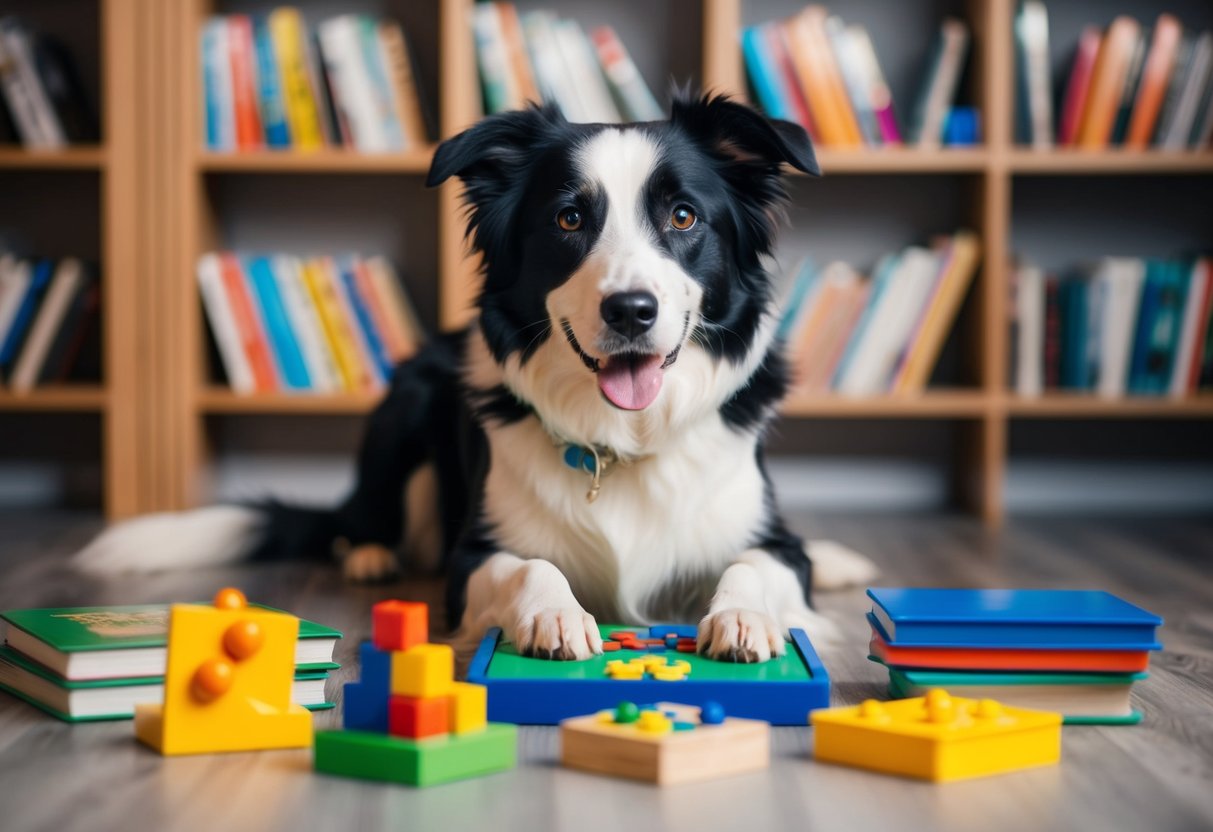
Training plays a crucial role in a dog’s intelligence and overall behavior. Understanding how effective methods and consistent practices can enhance your dog’s skills helps establish a strong bond and encourages better obedience.
Effective Training Methods
One of the best ways to train your dog is through positive reinforcement. This method involves rewarding your furry friend with treats, praise, or playtime when they perform desired behaviors. This approach not only builds your dog’s confidence but also encourages them to repeat those actions.
Consistency is key in any training program. Use short training sessions, ideally 5 to 10 minutes, to keep your dog engaged. Incorporate a variety of commands to develop their problem-solving skills.
For example, you can teach basic commands like “sit,” “stay,” and “come,” then gradually increase the difficulty.
Joining obedience trials or competitions can also help sharpen your dog’s skills. Engaging in these activities motivates you both and allows for socialization with other dogs.
The Role of Training in Intelligence
Training significantly impacts a dog’s intelligence. Through regular practice, dogs learn to understand commands and perform tasks accurately. This not only displays their intellect but also improves their obedience in everyday situations.
Challenge your dog by introducing new tricks and commands that require critical thinking. This can enhance their problem-solving skills and keep them mentally stimulated.
Regular participation in obedience competitions can offer both you and your dog essential feedback on training effectiveness.
Furthermore, engaging in activities like agility training helps in developing both physical skills and mental sharpness. Being skilled in agility can also lead to success in obedience trials, showcasing the bond between you and your intelligent companion.
Intelligent Dogs in Service
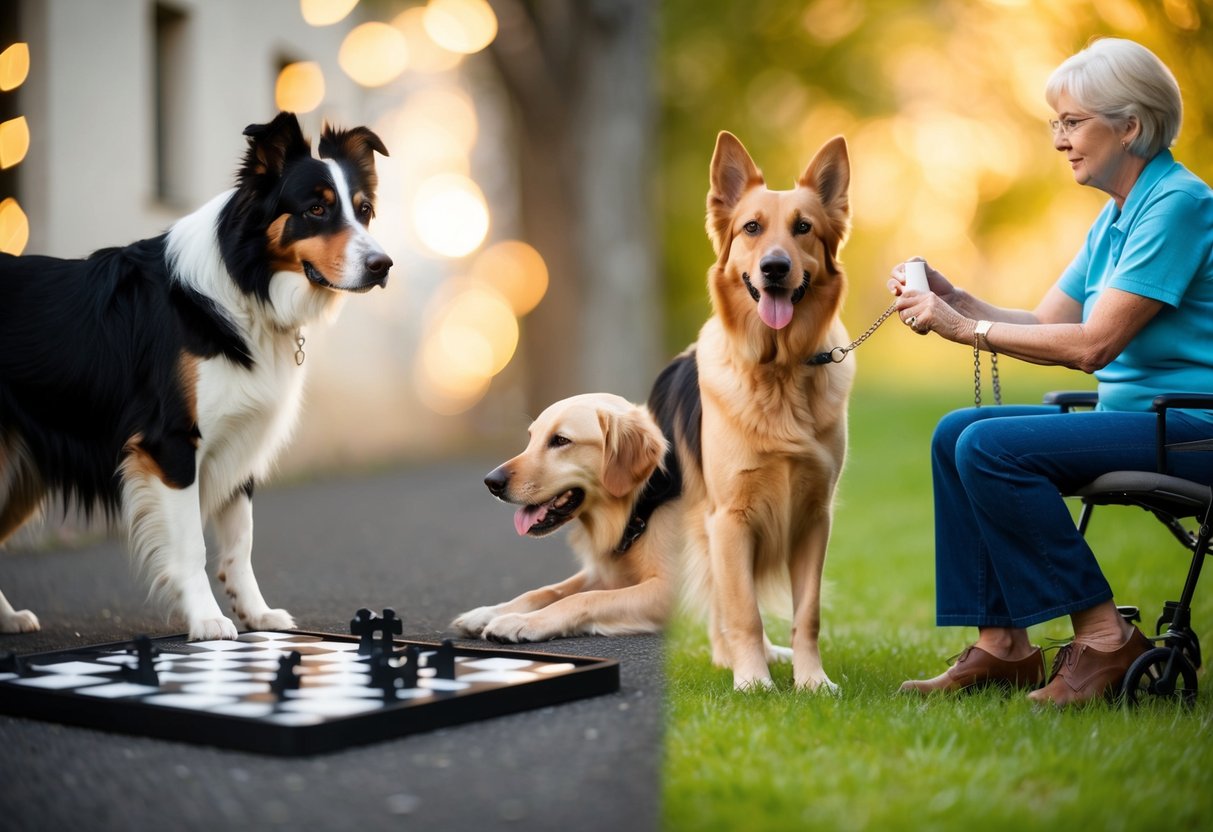
Service dogs play a vital role in your community. They help in areas like search and rescue, as well as providing therapy and support for those in need.
Search and Rescue Heroes
Search and rescue dogs are some of the smartest working dogs around. They are specially trained to locate missing persons, whether in disaster areas or during outdoor activities.
Breeds like German Shepherds and Labrador Retrievers excel in these roles.
These dogs use their keen sense of smell to track scents over long distances. They can find you even under debris after natural disasters. With teamwork, these heroes work with human handlers to ensure safety and success during missions.
Many rescue dogs are also trained to do water rescues or find lost hikers in the wilderness. Their intelligence and instincts save lives every day.
Therapy and Support
Therapy dogs give emotional support and companionship to those dealing with different challenges. Breeds such as Golden Retrievers and Bernese Mountain Dogs are popular for this work.
In hospitals, schools, and nursing homes, these dogs bring joy to people who may feel lonely or anxious. They are trained to interact gently and calmly, making them great friends. Emotional support dogs help individuals cope with depression or anxiety.
Your furry friend helps improve your mood through simple interactions, such as cuddling or playing. They are not just pets; they are vital members of the support system for many individuals.


