
You might be surprised by just how many squirrel species are genuinely in trouble. Some squirrels, like the Mount Graham red squirrel in Arizona and a few scattered western gray populations, are officially endangered because their homes and food sources keep shrinking.
This article digs into which species are at risk, where they actually live, and what’s causing their numbers to drop.

Let’s look at the places these squirrels call home and the specific threats they deal with, from wildfires and habitat loss to disease and new competitors. You’ll find practical examples and facts that show why some squirrels need protection—and what people are doing about it.
Endangered Squirrel Species and Where They Live

Let’s talk about which squirrel populations are at the highest risk and where you can actually find them. The examples below point out specific locations, main threats, and who’s keeping an eye on each group.
Mount Graham Red Squirrel and Its Sky Island Habitat
The Mount Graham red squirrel lives only in the Pinaleño Mountains in southeastern Arizona.
You’ll only find this tiny population high on the mountain’s conifer slopes, where they mostly eat pine seeds and stash food in middens.
After the 2017 Frye Fire wiped out much of their habitat, numbers crashed to about 35.
Recent surveys by the Arizona Game and Fish Department, Coronado National Forest, and U.S. Fish and Wildlife Service now estimate around 200–300 squirrels, thanks in part to captive breeding at the Phoenix Zoo and research from the University of Arizona.
Conservation work includes restoring habitat, controlling insects that attack trees, and collecting and planting seeds.
Wildfire, drought, bad cone crops, insect outbreaks, and competition from non-native Abert’s squirrels all threaten this squirrel.
This subspecies has low reproductive rates and lives on just this “sky island,” so any local damage hits them hard.
Western Gray Squirrel: Status and Distribution
The western gray squirrel (Sciurus griseus) lives across parts of the U.S. West, including Washington, Oregon, and California.
In some states, numbers look stable, but in Washington, the law protects them—you can’t hunt, trap, or kill them.
You’ll spot western gray squirrels in oak and mixed-conifer forests, where they eat acorns and seeds.
Habitat loss, new developments, and competition from eastern gray or fox squirrels have shrunk their numbers in some places.
State agencies like the Washington Department of Fish and Wildlife ask the public to report sightings to map where they live and plan protections.
Red Squirrels in the UK and Europe
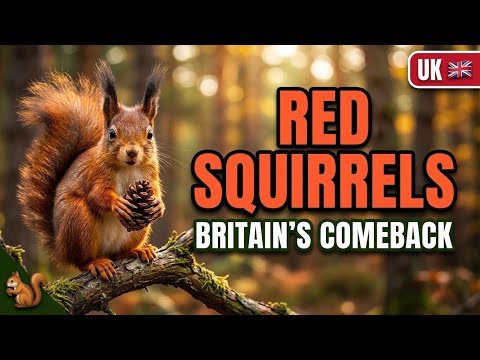
The Eurasian red squirrel (Sciurus vulgaris) lives across England, Scotland, and much of Europe, but its range in Britain has shrunk.
You can still find healthy populations in Scotland and parts of northern England, while many lowland English areas now have mostly the invasive eastern gray squirrel.
In Britain, gray squirrel competition and squirrelpox virus are the biggest threats.
Conservation groups manage habitat, monitor populations, and control local gray squirrels to protect the remaining reds.
In Europe, red squirrels are usually more common, but they can decline where pine forests disappear or disease spreads.
Main Threats and Conservation for Endangered Squirrels
Here’s a look at the main risks pushing squirrel numbers down and the ways people try to help them bounce back.
This section covers land changes, fires, climate, invasive species, disease, and how restoration and breeding programs actually play out for real squirrel populations.
Habitat Loss, Urbanization, and Fragmentation
When people cut forests for farms, houses, or roads, they take away the trees squirrels need for food and nests.
Losing conifer forests and broadleaf woodlands means fewer pine cones and acorns.
That drop in food hurts their ability to survive and reproduce.
Urbanization chops up habitats into little patches.
Roads and buildings can isolate groups and lower genetic diversity.
You can see this on islands or in forest fragments where squirrel numbers shrink, and in busy places where roadkill is a big problem.
Fragmented habitats also keep squirrels from moving to new feeding or nesting spots.
Wildlife corridors and protected areas help by connecting these patches.
Replanting native trees like ponderosa pine, spruce, and oaks brings back food and shelter over time.
Wildfires and Climate Change Impact
Big wildfires, like the Frye Fire, destroy canopies and seed sources across huge areas.
Squirrels lose standing trees and their stashed seeds for winter.
Severe burns can force them to move or die out in that spot.
Hotter temperatures and weird rainfall patterns change when cones and fruits grow.
Climate change can mess with food timing and shrink cone crops, so you might find fewer pine seeds or acorns some years.
That affects their health, breeding, and how well they can store food.
Fire management, targeted replanting, and quick habitat restoration help after burns.
Sometimes, monitoring after fires shows populations can bounce back if mature trees and food sources return within a few years.
Invasive Species and Disease Transmission
Non-native grey squirrels and other invasive animals compete directly for food and space.
In a lot of places, grey squirrels outcompete reds and carry squirrelpox virus, which kills red squirrels but not greys.
So, you’re dealing with both competition and disease at once.
Predators like pine martens can change the game depending on the landscape.
In some regions, pine martens keep grey squirrels in check and help native squirrels recover.
It’s important to factor in predator-prey dynamics when planning conservation.
Disease and low genetic diversity together make small populations fragile.
Vaccination trials, disease monitoring, and limiting animal moves between populations help cut disease risk.
You shouldn’t move animals between distant groups unless genetic testing says it’s safe.
Conservation Approaches: Restoration & Captive Breeding
You can protect and restore habitat by setting up and managing protected areas. Replanting native trees helps, too.
Wildlife corridors make a big difference for movement and safety. When you actively manage woodlands—keeping a mix of cone-producing pines, spruces, and oaks—you help ensure there’s a steady food supply like conifer seeds and acorns.
Reintroduction programs usually pair captive breeding with careful choices about release sites. Captive breeding boosts numbers for species at immediate risk, but you’ve got to pay attention to genetic diversity and disease screening.
Before releasing animals, people restore the habitat first. They also keep an eye on things after the release to see how the animals are doing.
Other tools? Targeted vaccination, controlling invasive species, and public awareness campaigns all play a part. Some folks even set up road-mitigation measures to cut down on vehicle collisions.
Honestly, combining these actions—habitat restoration, protected areas, captive breeding, and community engagement—gives endangered squirrel populations a real shot at bouncing back.


