
If you’re a dog lover, you might be wondering which breeds stand out as the most popular in the world. The top 10 dog breeds often include favorites like the Labrador Retriever, French Bulldog, and German Shepherd. Each of these breeds has unique traits that make them special companions for many families.
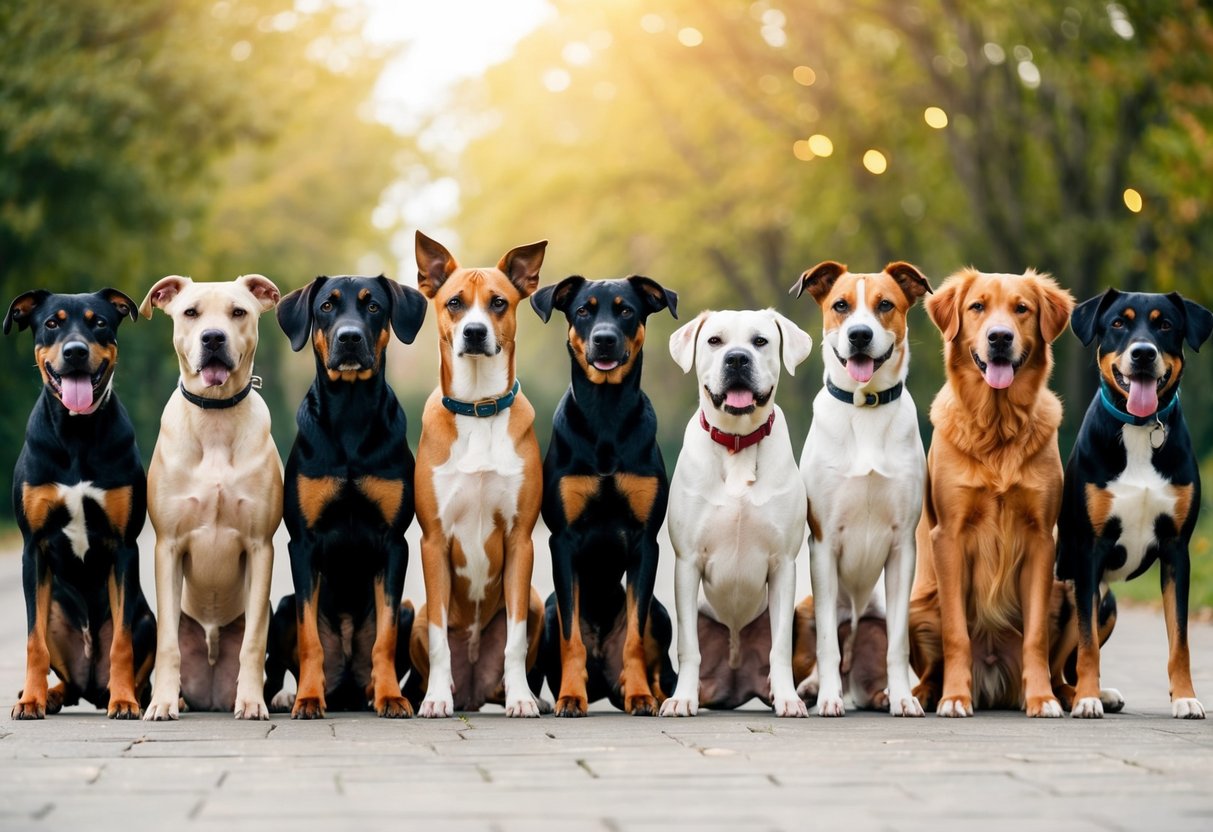
As you explore the world of dogs, you’ll discover the qualities that draw people to these breeds. Some dogs are known for their loyalty, while others shine due to their playful nature. Understanding these traits can help you choose the right furry friend or simply appreciate the diversity of our canine companions.
Whether you already have a favorite breed or are looking to learn more about the top ranked dogs, this article will guide you through the most beloved breeds worldwide. Get ready to dive into the fascinating world of popular dog breeds that capture the hearts of dog lovers everywhere!
The World’s Top Breeds

When it comes to dogs, some breeds stand out for their popularity, traits, and family-friendliness. You’ll find that different breeds excel in various areas, making it important to understand what makes them special.
AKC Rankings and Popularity
The American Kennel Club (AKC) regularly ranks dog breeds based on registration statistics. As of 2024, the French Bulldog holds the top spot for the most popular breed. Following closely are the Labrador Retriever and German Shepherd.
Here’s a quick look at the top breeds:
| Rank | Breed |
|---|---|
| 1 | French Bulldog |
| 2 | Labrador Retriever |
| 3 | German Shepherd |
| 4 | Golden Retriever |
| 5 | Bulldog |
| 6 | Poodle |
| 7 | Beagle |
| 8 | Rottweiler |
These rankings show trends in dog ownership and what families are looking for in pets.
Characteristics of Leading Breeds
Different breeds come with unique traits that appeal to owners. Labrador Retrievers are known for being friendly and intelligent. You’ll find them great for families and active lifestyles.
German Shepherds are loyal and protective, making them excellent service dogs. If you love playfulness, the Golden Retriever is a fantastic choice, as they are friendly and energetic.
Poodles are versatile, excelling in both companionship and agility. The Bulldog has a gentle nature, perfect for a relaxed home environment. Each breed brings its own charm, allowing you to choose what fits your lifestyle best.
Family-Friendly Favorites
If you’re looking for a family pet, some breeds shine for their compatibility with kids. Golden Retrievers are often praised for their patience and friendliness. This makes them a top choice for households.
Labrador Retrievers rank high as well due to their playful nature. They thrive in an active home, enjoying games with children. Beagles are curious and energetic, ready for fun-filled adventures.
If you prefer a smaller dog, consider a Poodle, which is highly trainable and loving. With their distinct personalities, these breeds are sure to become beloved family members.
Choosing the Right Companion
When selecting the right dog for your home, it’s crucial to consider several factors. Each dog has unique traits and needs that will impact your family life, including shedding, energy levels, and health issues like hip dysplasia. Understanding these aspects can help you find the perfect furry friend for companionship.
Considerations for Potential Owners
Before choosing a dog, think about your lifestyle. Do you have a large home with a backyard, or live in a small apartment?
Key Factors:
- Activity Level: Energetic breeds like Border Collies require more exercise than a calm breed like the Bulldog.
- Time Commitment: Puppies need training and socialization. Are you ready for that?
- Allergies: Some breeds shed less or are hypoallergenic, making them better for allergy sufferers.
These considerations will guide you to a suitable breed that fits your living situation and family dynamics.
Understanding Breed-Specific Needs
Each dog breed comes with unique needs that you should understand. For instance, certain intelligent dog breeds thrive on mental stimulation, while others may be more laid-back.
Common Needs:
- Exercise: Large breeds often need more physical activity. Smaller breeds might do well with short walks.
- Grooming: Some dogs, like Poodles, require regular grooming to manage their coat. Others may shed more, which can affect your home.
- Health Considerations: Be aware of breed-specific issues, such as hip dysplasia in German Shepherds. Regular vet check-ups are key to a healthy dog.
Knowing these needs helps ensure a healthy and happy relationship.
The Role of Dogs in Family Life
Dogs can significantly enhance family life through companionship and emotional support. They are often considered family pets, bringing joy to your household.
Benefits of Having a Dog:
- Companionship: Dogs provide loyal friendship and help reduce feelings of loneliness.
- Emotional Support: Their presence can improve mental health and provide comfort during tough times.
- Family Bonding: Caring for a dog can strengthen family ties as everyone participates in training, walking, and playing together.
Understanding how a dog fits into your family can lead to a fulfilling bond for all.
Dog Breed Health and Care
When choosing a dog, understanding their health needs and care requirements is essential. Each breed has unique characteristics that can affect their well-being. Addressing common health concerns and knowing how to properly groom them can help ensure a long and happy life for your furry friend.
Common Health Concerns
Different dog breeds face various health issues. For example, poodles may experience hip dysplasia and skin conditions, while bulldogs often suffer from respiratory problems due to their short snouts.
German Shepherds can have joint issues, while Rottweilers might be prone to heart problems. Dachshunds are at risk for back problems because of their long bodies.
French Bulldogs and English Bulldogs may struggle with heat sensitivity. Finally, Newfoundlands can face issues with their hearts and hips. Regular veterinary check-ups can help catch and address these concerns early.
Grooming and Maintenance
Grooming is an important part of dog care. For instance, poodles require regular trimming to keep their coats manageable. Meanwhile, Newfoundlands need frequent brushing to prevent matting due to their thick fur.
Dogs like the Cavalier King Charles Spaniel benefit from regular brushing to reduce shedding and keep their coats healthy.
In terms of bathing, most breeds only need it occasionally. Be sure to check their ears, teeth, and nails regularly as well.
With proper grooming, your dog will not only look great but also stay healthy and happy.
Diverse Doggy Dynamics
Dogs come in many breeds, each with unique talents that often suit them for specific jobs. Understanding these capabilities can enhance your relationship with your furry friend. Additionally, participating in sports and activities can strengthen the bond you share.
Breed-Specific Talents and Jobs
Each dog breed has traits that make them suitable for various roles. Hunting dogs, such as the German Shorthaired Pointer, are known for their keen sense of smell and agility. These traits help them track and retrieve game effectively.
Working dogs, like the Doberman Pinscher, excel in protection and service roles. Their intelligence and loyalty make them great companions for safety tasks.
The Australian Shepherd stands out in herding due to its intelligence and energy. Meanwhile, the Siberian Husky is often employed in sledding, showcasing endurance and strength.
Lastly, the Border Collie is famous for its herding skills, needing both mental stimulation and physical exercise to thrive. Even the charming Pembroke Welsh Corgi has a history as a herding dog, demonstrating that smaller breeds also have significant roles.
Sports and Activities with Dogs
Engaging your dog in sports and activities is not only fun, but also beneficial for their wellbeing. Many breeds thrive in agility courses, which challenge their speed and coordination.
For example, both Border Collies and Australian Shepherds excel in agility training. Their quick learning ability and high energy make these activities enjoyable for them.
If you have a Siberian Husky, you might enjoy sledding or skijoring during winter months. This allows them to use their natural pulling instincts.
Participating in flyball is great for your energetic dogs, like German Shorthaired Pointers.
Your Doberman Pinscher can also enjoy obedience and protection sports, which tap into their skills.
Discovering suitable activities will keep your dog happy and healthy while deepening your bond.


